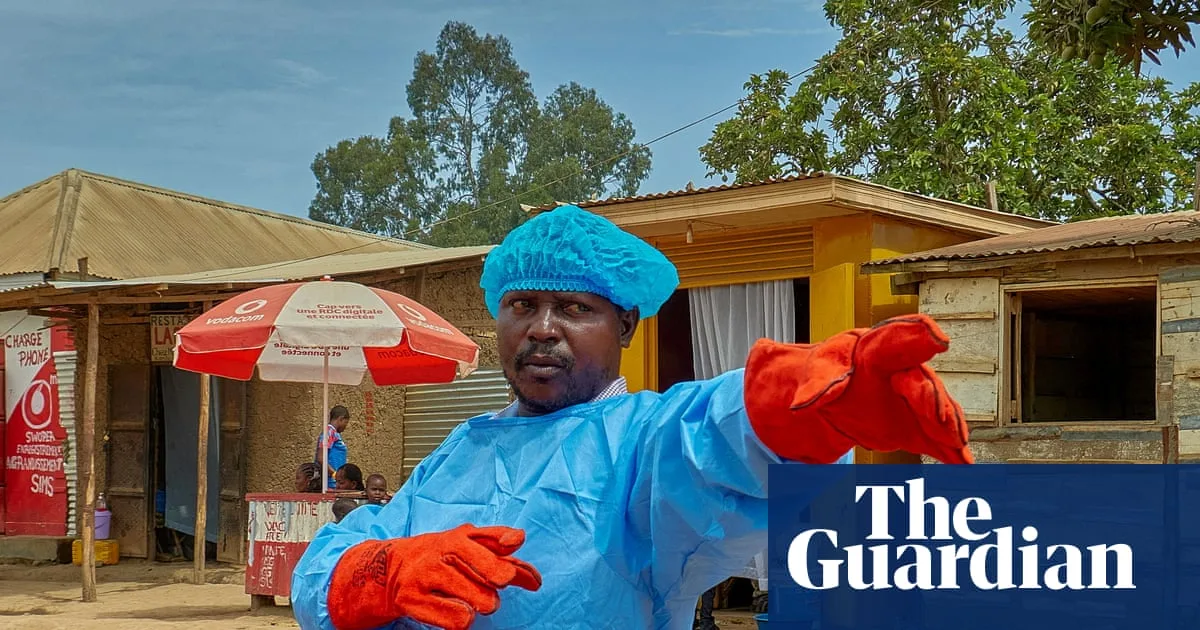
The Democratic Republic of the Congo has reported more than 900 suspected Ebola cases in its ongoing outbreak in the east, according to the country's ministry of communication. In a post on X, the ministry stated there were 904 suspected cases and 119 suspected deaths as of Sunday. This marks an increase from earlier figures of over 700 cases and 170 deaths, mostly in Ituri province, the epicentre of the outbreak.
The World Health Organization has assessed the risk as 'very high' for the DRC, though the global threat remains low. The outbreak, declared a global health emergency, is compounded by attacks on Ebola treatment centres. Last week, two centres in the east were set ablaze, reflecting local anger over years of violence from rebel groups, displacement, government failures, and international aid cuts that have weakened health facilities.
Colin Thomas-Jensen of the Aurora Humanitarian Initiative attributed the attacks to 'built-in skepticism and anger' among eastern Congolese, who have endured rebel violence and inadequate protection. Strict burial protocols for suspected Ebola victims have also fuelled resentment, as authorities take charge of burials to prevent disease spread, disrupting traditional funeral practices. The first arson attack in Rwampara occurred when young men attempted to retrieve a friend's body, accusing aid workers of lying about Ebola.
In response, authorities in north-eastern Congo have banned funeral wakes and gatherings of over 50 people, with soldiers and police guarding burials. The region remains volatile, with numerous rebel groups, including the Allied Democratic Forces linked to Islamic State, active in Ituri. Doctors Without Borders reported worsening insecurity, causing medical staff to flee and leaving health facilities overwhelmed.
The UN humanitarian office estimates nearly one million people have been displaced by conflict in Ituri. Gabriela Arenas of the International Federation of Red Cross and Red Crescent Societies noted the outbreak is 'unfolding in communities already facing insecurity, displacement and fragile healthcare systems.' Concerns are growing that the disease may spread to displacement camps near Bunia, where initial cases were detected.
International aid cuts by the US and other nations last year have devastated eastern Congo's capacity to respond, according to health experts. Thomas McHale of Physicians for Human Rights said the cuts 'reduced the capacity to detect and respond to infectious disease outbreaks.' Aid groups on the ground report shortages of protective equipment, testing kits, and burial materials. Julienne Lusenge of Women's Solidarity for Inc stated, 'We have made requests to different partners, but we have not yet really received anything.'