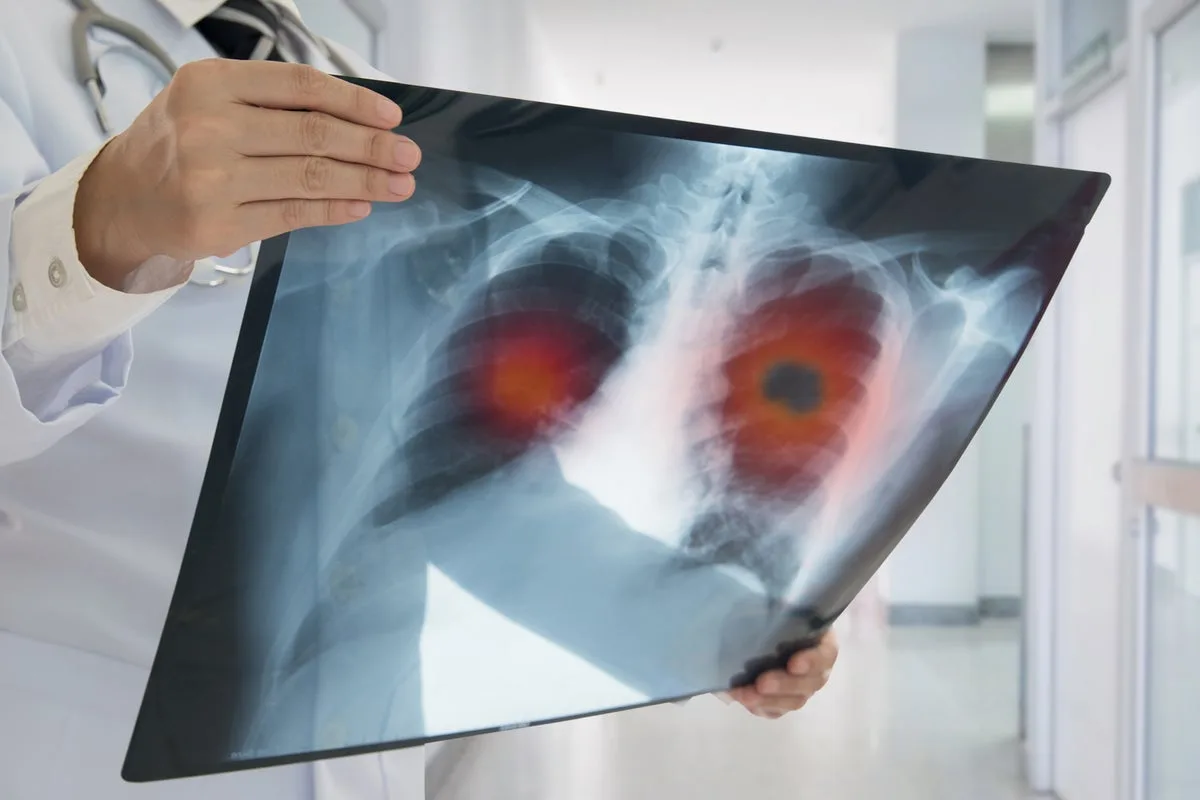
Cancer death rates across the United Kingdom have plummeted to a historic low, marking an 11 per cent reduction over the past ten years. This encouraging trend highlights substantial progress in medical research, public health initiatives, and treatment advancements, offering hope to millions affected by the disease.
Decades of Decline in Cancer Mortality
According to comprehensive figures meticulously analysed by Cancer Research UK, approximately 247 individuals per 100,000 people now succumb to cancer annually. This represents a dramatic 29 per cent decrease from the peak recorded in 1989, when the rate stood at 355 per 100,000. The data underscores a long-term downward trajectory in cancer mortality, reflecting decades of dedicated scientific effort and improved healthcare strategies.
Significant Reductions Across Major Cancer Types
The analysis reveals particularly noteworthy declines in death rates for several prevalent cancers between 2012-2014 and 2022-2024. Ovarian cancer death rates fell by an impressive 19 per cent, while stomach cancer rates dropped by 34 per cent and lung cancer by 22 per cent. Additional reductions include bowel cancer (down 6 per cent), breast cancer (14 per cent), cervical cancer (11 per cent), leukaemia (9 per cent), and oesophageal cancer (12 per cent).
Concerning Increases in Some Cancers
Despite the overall positive trend, the data also highlights troubling increases in death rates for certain cancers over the same period. Gallbladder cancer rates have risen by 29 per cent, eye cancer by 26 per cent, liver cancer by 14 per cent, and kidney cancer by 5 per cent. Figures for other cancers, such as thyroid, pancreatic, and melanoma, have remained stable, indicating areas where further research and intervention may be urgently needed.
Impact of Screening and Vaccination Programmes
The NHS screening programme has played a pivotal role in driving down cancer death rates, particularly for cervical cancer, which has seen a staggering 75 per cent reduction since the 1970s. Additionally, the human papillomavirus (HPV) vaccine, administered to schoolchildren across the UK, has significantly contributed to efforts in combating the disease. Since its introduction in 2008, at least 6.5 million people have received the vaccine, demonstrating a robust public health commitment to prevention.
Expert Insights and Future Challenges
Doctor Sam Godfrey, science engagement lead at Cancer Research UK, welcomed the decline in death rates as positive news. He emphasised that these figures are the result of crucial scientific breakthroughs, including vaccines that prevent cancer and more targeted, kinder treatments. Dr Godfrey noted that these advancements have enabled thousands more people to create memories, achieve milestones, and spend valuable time with loved ones.
While describing the UK as a global leader in cancer research, Dr Godfrey cautioned against complacency. He stressed the necessity for the Government to facilitate easier and faster clinical trial setups and to provide NHS staff with adequate time and resources to conduct life-saving research. Other factors contributing to falling death rates include smoking bans and enhanced screening for breast, bowel, and cervical cancers.
Prostate Cancer Progress and Demographic Pressures
The death rate for prostate cancer has decreased by 11 per cent over the past decade, partly due to the development of abiraterone, a drug that inhibits testosterone from fuelling the disease, created by Cancer Research UK scientists. However, a growing and ageing population means that, overall, the absolute number of people dying from cancer continues to rise, presenting an ongoing challenge for healthcare systems and policymakers.
In a related community effort, participants recently took part in the 13th edition of 'Just The Woman I Am', a 5-kilometre run and walk event held on Sunday to raise funds for university research on cancer. Such initiatives highlight the collective commitment to advancing cancer research and supporting those affected by the disease.




