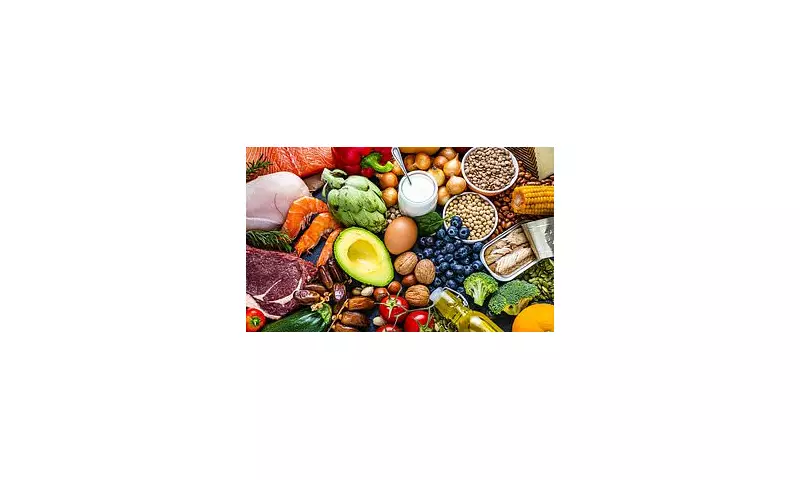
Adopting a Mediterranean-style diet could significantly extend the lives of people who have had cancer, according to a major new study published in the European Heart Journal. The research indicates that survivors whose eating habits closely match this pattern, abundant in plant-based foods, fish, and healthy fats, see a markedly reduced risk of mortality.
The Heart-Health Link to Cancer Survival
The long-term analysis, conducted by Italian researchers, followed 779 adults with a history of cancer for an average of 14 years. All participants were part of the extensive Moli-sani Study based in southern Italy. To assess their health, scientists used the American Heart Association's Life's Simple 7 (LS7) score, which measures seven modifiable factors: smoking, physical activity, diet, body mass index (BMI), blood pressure, cholesterol, and blood glucose.
During the follow-up period, 269 participants died. The causes were broken down as 141 deaths from cancer, 67 from heart disease, and 54 from other conditions like respiratory or neurodegenerative diseases. When researchers specifically examined diet, swapping the general LS7 measure for one reflecting strict adherence to a Mediterranean pattern, the protective effect became strikingly clear.

Those whose diets most closely resembled the Mediterranean model were between 15% and 20% less likely to die from any cause during the study. This finding adds substantial weight to the growing evidence that lifestyle habits proven to protect cardiovascular health are also crucial for improving outcomes after a cancer diagnosis.
Cardiovascular Health: A Powerful Predictor of Survival
The study's broader conclusion was that overall cardiovascular health is strongly tied to survival post-cancer. Participants who achieved 'ideal' cardiovascular health—defined by an LS7 score of 10 to 14—had a 38% lower risk of death from any cause compared to those with 'poor' cardiovascular health (a score of zero to six). This calculation accounted for age, sex, cancer type, treatment, and social factors.
Furthermore, the analysis showed a graded relationship: each one-point increase in the LS7 score was associated with a 10% reduction in cancer mortality. "Our study shows that a score based on traditional cardiovascular risk factors, already validated in the general population, can also predict better survival in people with a history of cancer," said lead author Marialaura Bonaccio, a researcher at the IRCCS Neuromed Epidemiology and Prevention Unit.
Uncovering the 'Common Soil'
The research supports the 'common soil' hypothesis, which proposes that cancer and heart disease share underlying biological pathways. To investigate this, the team analysed blood markers related to inflammation, resting heart rate, and vitamin D levels. Together, these factors explained more than half of the link between healthier lifestyles and lower mortality.
Specifically, low-grade inflammation accounted for nearly 20% of the connection between heart health and overall survival. Resting heart rate explained about 30% of the association with both all-cause and cancer mortality, while vitamin D status also played a significant role. The relationship between lifestyle-driven cardiovascular health and mortality risk was similar when compared to over 21,000 cancer-free participants, suggesting the same risk factors are important regardless of a person's medical history.
The authors caution that the study, which assessed lifestyle an average of 8.4 years after diagnosis, shows association rather than proven cause and effect. However, they stress that the results powerfully reinforce the importance of diet, physical activity, smoking avoidance, and weight control in the long-term care of cancer survivors. The findings advocate for more integrated prevention strategies, bridging cancer care and cardiovascular health within the expanding field of cardio-oncology.