
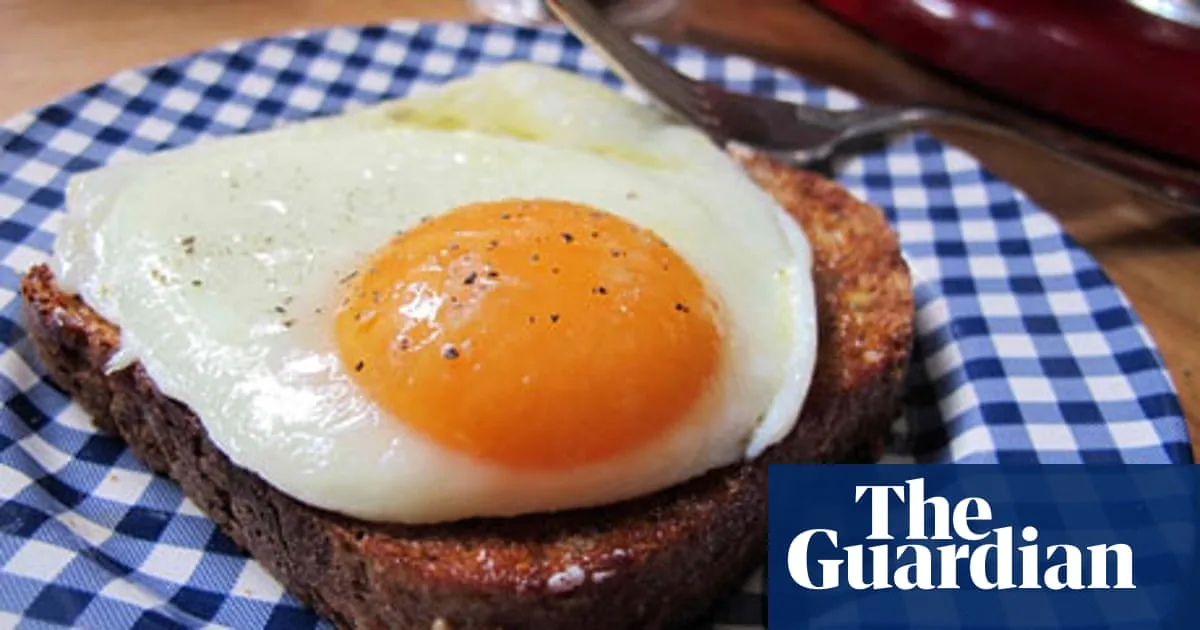
If you have ever been disappointed by a snotty white or chalky yolk when frying an egg, you are not alone. Even celebrated chefs like José Andrés admit to spending a lifetime perfecting the technique. The key, according to culinary experts, often starts before the egg hits the pan: letting it come to room temperature.
Eggs stored in the fridge should be taken out in advance. Starting with a cold egg increases the risk of overcooking the yolk while waiting for the white to set. Fresh eggs are also preferable for frying, as their stronger proteins hold a neater shape. Older eggs, by contrast, are better for boiling because they are easier to peel.
The choice of fat is another crucial factor. Traditionalists like Delia Smith advocate bacon fat or groundnut oil, while Jamie Oliver and José Andrés favour olive oil. Butter is beloved by the late Fernand Point, who famously judged chefs by their fried eggs. Each fat imparts a distinct flavour, so the choice depends on what the egg will accompany. For a full English breakfast, butter is hard to beat.
Heat level and technique vary. Delia uses a high heat for 30 seconds, then reduces to medium for a minute, producing a crispy, frilly edge. José Andrés prefers a medium-high heat and shallow-fries the egg in a pool of hot oil, basting it to cook the top. His method yields a perfectly runny yolk in about 30 seconds, though it requires practice to avoid spitting oil.
Ultimately, the perfect fried egg is a personal journey. Whether you favour butter or oil, high heat or medium, starting with a room-temperature, fresh egg gives you the best chance of success. As Fernand Point might say, it is a dish that reveals the cook's true skill.




