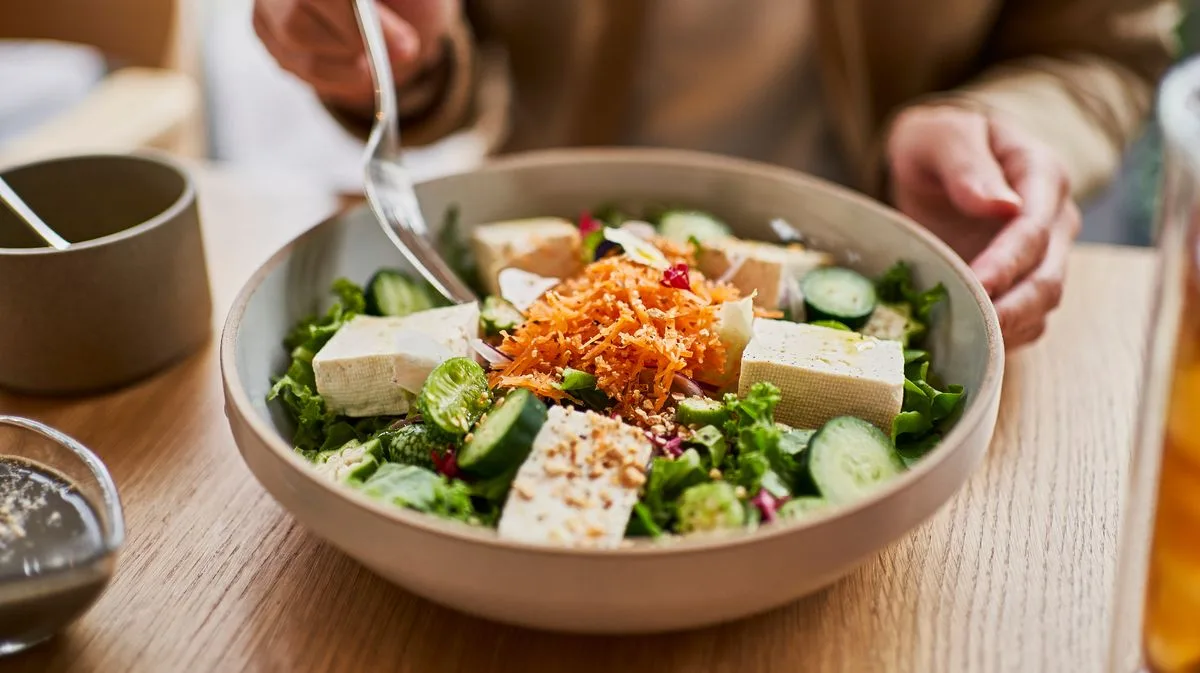
In the United Kingdom, approximately two million individuals now adhere to vegan or plant-based diets, constituting roughly three percent of the total population. Additionally, ten percent of people report reducing their consumption of meat and animal products, according to recent data from The Vegan Society. This shift has spurred a significant increase in the availability of so-called 'fake' meat products across supermarkets and restaurants, with numerous major brands launching their own plant-based alternatives.
Regional Variations in Plant-Based Adoption
The Vegan Society's study reveals notable geographic disparities in dietary choices. Residents of London, the North East, and South West of England are most inclined to follow plant-based diets. In contrast, individuals in Scotland, Wales, and the East Midlands show the lowest likelihood of adopting such eating habits. The research also indicates that women are twice as likely as men to identify as vegan, highlighting gender-based trends in dietary preferences.
Addressing Common Misconceptions
A social media influencer, known as plantbasedguero on TikTok, has stepped forward to explain why vegans opt for imitation meat products. In a video posted with the caption "Why do vegans eat fake meat?? I thought you didn't like meat!!", he tackles a frequent criticism head-on. He argues that the question itself is flawed, as it assumes vegans inherently dislike the taste and texture of meat.
The influencer elaborated: "If you are one of those people who says 'but why do vegans try to imitate meat and eat fake meat? If you hate meat so much why do you eat things that try to imitate it?' - then here is why your argument makes absolutely no sense." He emphasized that many vegans, including himself, previously enjoyed meat. "I haven't eaten meat in eight years but, wow, I used to absolutely love it. I used to buy five kilos of chicken on the internet quite regularly," he shared.
Ethical and Environmental Motivations
The core reason for choosing imitation meat, he explains, lies in education about the environmental, ethical, and health drawbacks of meat consumption. "So many vegans loved the taste and texture of meat. The point is that, despite loving the taste and texture of meat, they've educated themselves on the environmental, ethical, and even health reasons against eating meat, of which there are a plethora," he stated.
He further clarified that imitation products help individuals overcome what he describes as a "cultural addiction to meat." By enjoying similar tastes and textures without the associated negative impacts, vegans can align their dietary choices with their values. "Therefore let me do something that ticks both boxes," he concluded, referring to satisfying taste preferences while avoiding harm to animals.
Mixed Reactions on Social Media
Responses to the video were divided among commenters. Many expressed agreement, with one person noting, "I don’t hate meat, I hate cruelty." Another added, "If I can have a very similar thing without unnecessary killing, why wouldn’t I?" These comments reflect a growing sentiment that ethical considerations drive dietary changes rather than a dislike for meat itself.
However, some critics voiced opposition. One commenter argued, "It makes perfect sense. It would be like me saying, 'Oh yes, I love broccoli, now I want all of my food to look and taste like broccoli'. If you're not eating meat, don't eat meat. Don't make your food look or taste like it. Simple." Others raised concerns about processing, with one stating, "Vegan and veggie foods are heavily processed and have a lot of chemicals."
Supporters countered these points, highlighting the practical benefits of imitation meats. "Vegan meat makes it easier for meat eaters to make the transition to a plant-based diet," one user wrote. Another questioned the scrutiny, saying, "I have never understood why meat eaters care what non meat eaters eat. Why do they care so much?"
Broader Implications and Trends
The discussion underscores a broader cultural shift towards plant-based eating in the UK. With regional adoption rates varying and gender differences evident, the popularity of fake meat products continues to rise. These items not only cater to existing vegans but also serve as a bridge for those reducing meat intake, facilitating a smoother transition to more sustainable and ethical dietary practices.
As debates around food choices persist, influencers like plantbasedguero play a crucial role in demystifying veganism and addressing common misconceptions. Their insights help foster a more informed public dialogue about the reasons behind dietary shifts and the role of imitation products in modern eating habits.




