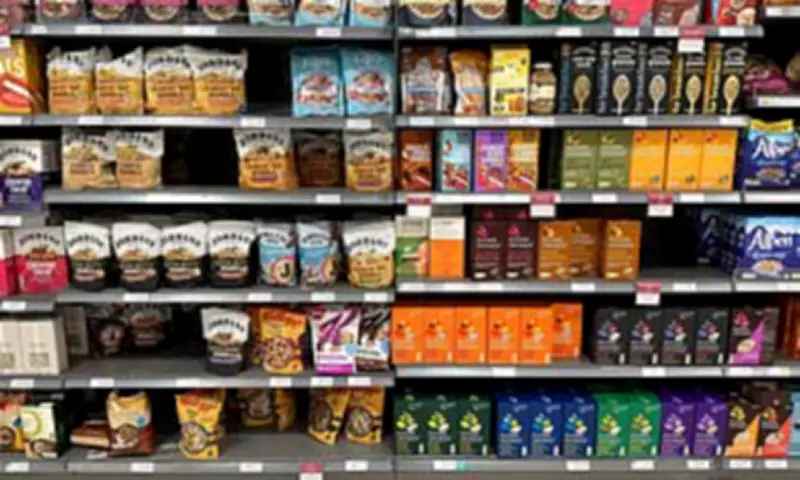
Breakfast Shock: Premium Mueslis Rank Worse Than Chocolate Cereal
Breakfast is often called the most important meal of the day, but a startling new investigation has revealed that some supposedly healthy premium mueslis are nutritionally inferior to Nestle's KitKat chocolate cereal. Consumer watchdog Which? conducted a comprehensive survey of 86 muesli products available in UK supermarkets, uncovering troubling findings about sugar content and nutritional value.
Shocking Sugar Levels in Health-Conscious Products
Recommended portions of certain premium brand mueslis were found to contain up to 20 grams of sugar – approximately five teaspoons – despite manufacturers' health-conscious marketing claims. This discovery challenges the widespread assumption that premium pricing and wellness branding guarantee nutritional superiority.
Which? Nutritionist Shefalee Loth emphasized: 'Expensive price tags, premium branding and wellness buzzwords don't guarantee nutritional value. In fact, the healthiest options are often the simplest and the cheapest, so it's worth reading the small print if you are worried about sugar or saturated fat.'

Nutritional Scoring System Reveals Surprising Results
Researchers employed the same strict nutrient profiling model used to determine whether foods are high in fat, salt, or sugar (HFSS). This system ranks products on a scale from one to 100, considering both beneficial nutrients like fibre and protein, and health-adverse components like refined sugars and saturated fats.
Under this scoring method, Raw Gorilla Keto Mighty Muesli achieved a surprisingly low score of just 46, despite claiming to contain zero refined sugar. By comparison, Nestle's chocolate KitKat cereal scored 56, containing six times less saturated fat than the keto muesli marketed toward health-driven consumers.
The Keto Conundrum: Fat Versus Sugar
Nutritionists explain this counterintuitive result stems from the fundamental differences between keto products and traditional cereals. As a specialist keto product, Raw Gorilla's muesli contains minimal sugar at just 1.5 grams per 100 grams. However, its high content of nuts, seeds, and coconut flakes makes it rich in saturated fats and calories, significantly impacting its nutritional score.
A spokesperson from RawGorilla responded to the findings: 'Comparing a specialist KETO product to sugary ultra-processed cereals highlights the limits of this method, a one-size-fits-all mathematical model. While the system penalises the natural energy density and the fat content of our seeds and nuts, it ignores the vital difference between unprocessed whole foods and ultra-processed products; real health is about the quality of the food, not just a calorie count.'
Supermarket Own Brands Triumph
In a surprising twist, the healthiest mueslis according to the Which? analysis were supermarket own-brand ranges from Asda, Morrisons, Tesco, and Sainsbury's, which scored an impressive 80 out of 100. These products not only ranked highest nutritionally but were also the most affordable, costing less than 10 pence per bowl.
Holland & Barrett's 15 Plant Fruit and Nut muesli also performed exceptionally well due to its high fibre and protein content, with 100 grams containing 11.5 grams of fibre. Government guidelines recommend most adults consume approximately 30 grams of fibre daily as part of a balanced diet.
Portion Distortion and Labelling Confusion
The report identified significant confusion among health-conscious shoppers regarding portion sizes and inconsistent labelling – a phenomenon nutritionists term 'portion distortion.' Even products marketed as healthy alternatives can mislead consumers through unclear serving suggestions and nutritional information.
Waitrose's own brand Essential No Added Sugar muesli scored just 62 out of 100, receiving maximum penalties for its sugar content of 19.5 grams per portion despite relatively high fibre levels. The NHS recommends adults consume no more than 30 grams of sugar daily, making such products concerning choices for regular consumption.

Broader Regulatory Context
These findings emerge against a backdrop of increasing government regulation of food advertising. Earlier this year, new guidelines banned HFSS foods from television advertising before the watershed and implemented a complete online advertising prohibition to address childhood obesity concerns.
In 2024, the government introduced even stricter regulations requiring companies like McDonald's and Cadbury to run brand advertisements only if they don't feature 'identifiable' products. This compromise followed food industry threats of legal action against proposed blanket bans, with campaigners continuing to advocate for comprehensive restrictions on junk food advertising to children.
Nutritional Perspective
Leading nutritionists caution against oversimplifying food choices based solely on numerical scores. Rob Hobson previously told the Daily Mail: 'It doesn't necessarily mean these foods are 'bad', but it encourages us to look at the overall balance of a product rather than its health halo.'
Despite some concerning findings, Which? nutritionists noted that most mueslis occupy a healthy middle ground, providing substantial protein, calcium, and omega-3 fatty acids typically absent from popular breakfast cereals. The key takeaway remains the importance of reading labels carefully and understanding that premium pricing doesn't automatically equate to superior nutrition.