Healthy Cereal Myth Exposed: UK's Top Brands Loaded with Sugar
Nutritionists reveal the truth behind 'healthy' breakfast cereals

Starting your morning with a bowl of cereal feels like a smart, healthy choice. Yet, leading nutritionists warn that the glowing health claims on many big-brand boxes – promoting high fibre, whole grains, and added vitamins – often mask a far less palatable reality.

The Bitter Truth Behind Sweetened Breakfasts

According to experts speaking to the Daily Mail, numerous household favourites contain surprisingly high levels of blood-pressure-raising salt, alongside excessive sugar, while offering minimal protein or genuine fibre. Rhiannon Lambert, a leading nutritionist and best-selling author, clarifies that cereal itself isn't inherently bad, but the category is incredibly broad. "Cereal is just an umbrella term that covers everything from highly refined sugar-rich products, to wholegrain fibre-dense options," she states.

Lambert argues that for many, cereal remains a convenient and affordable breakfast staple. The core issue lies not in eating cereal, but in selecting the right type and being mindful of sugar content and accompaniments. "A bowl of cereal that's largely refined grain and added sugar will have a very different effect compared to one built around whole grains and fibre," she explains.

Market data underscores the nation's cereal habit. A 2025 study by The Grocer found Weetabix was the UK's top seller, generating £173 million in sales. It was followed by Quaker Oats (£122.5m), Kellogg's Crunchy Nut Cornflakes (£102m), and Cornflakes (£54.5m). Kellogg's also claimed fifth and sixth places with Coco Pops (£50.8m) and Special K (£49.3m), which swapped ranks compared to 2024.

Decoding the Cereal Aisle: Champions and Offenders

Lambert cautions that even fortified cereals, brimming with added vitamins, are not a automatic health win. These additions do little to counteract unhealthy additives and can sometimes push daily recommended intakes over the limit first thing in the morning. She also advises scepticism towards products labelled 'light' or 'healthy', which can still be low in fibre and high in sugar.

"Diets consistently higher in added sugars and lower in fibre are associated with poorer blood sugar control," Lambert notes, highlighting a key risk factor for conditions like type 2 diabetes. However, from a gut health perspective, cereal can be a useful vehicle for diverse grains and fibres. The key is learning to distinguish between types and scrutinise ingredient lists.

With this in mind, nutritionists have ranked popular cereals:

The Top Performers

Shredded Wheat leads the pack with just 0.3g of sugar, 6.3g of fibre, and 5.5g of protein per serving. Two biscuits provide over 20% of an adult's daily 30g fibre target. Pediatric dietitian Emma Shafqat praises its natural mineral content and low-sugar profile.

Weetabix Original is another strong contender with 1.6g of sugar and 3.8g of fibre. It is fortified with iron and B vitamins. However, it contains malted barley extract, classifying it as an ultra-processed food (UPF).

All Bran, while very high in fibre (11g per serving), can contain added sugar and salt, so checking the label is essential.

The Middle Ground & Sugary Treats

Cheerios offer a middle-ground option with 5.3g of sugar and 3g each of fibre and protein, though they contain palm oil.

Weetabix Chocolate contains almost 8g of sugar per serving – over a quarter of an adult's daily limit – and is best enjoyed in moderation as part of a balanced bowl with added fruit and protein.

Special K's relatively high sugar content (4.5g) may surprise consumers given its health-focused marketing. Its primary nutritional benefit comes from fortification, not its fibre (1.8g) or protein (2.4g) content.

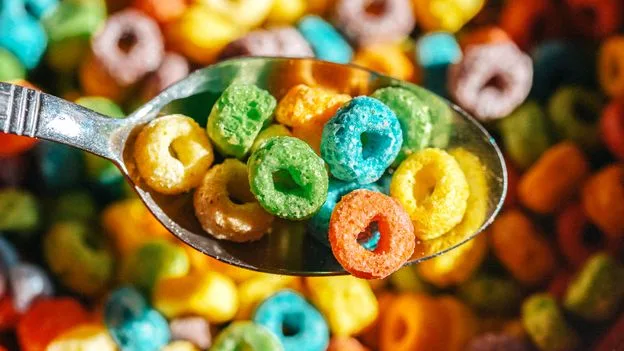
Frosties (8.9g sugar), Fruit and Fibre (9.6g sugar), Krave (7.5g sugar), and Coco Pops (5.1g sugar) are all high in sugar and low in fibre. Nutritionists firmly position these as occasional treats rather than daily breakfast choices. Many fall into the UPF category due to additives like flavourings and malt extract.

The Verdict for a Healthier Start

The consensus is clear: not all cereals are created equal. While the aisle contains excellent sources of wholegrain fibre and essential nutrients, it also harbours products more akin to dessert. The healthiest choices, like Shredded Wheat and plain Weetabix, are typically low in added sugar, high in fibre, and minimally processed.

Ultimately, informed selection is paramount. Lambert's advice is to look beyond marketing claims, prioritise whole grains and high fibre on the label, and use even a plain cereal as a foundation for a more balanced meal by adding fresh fruit, nuts, seeds, or yoghurt.




