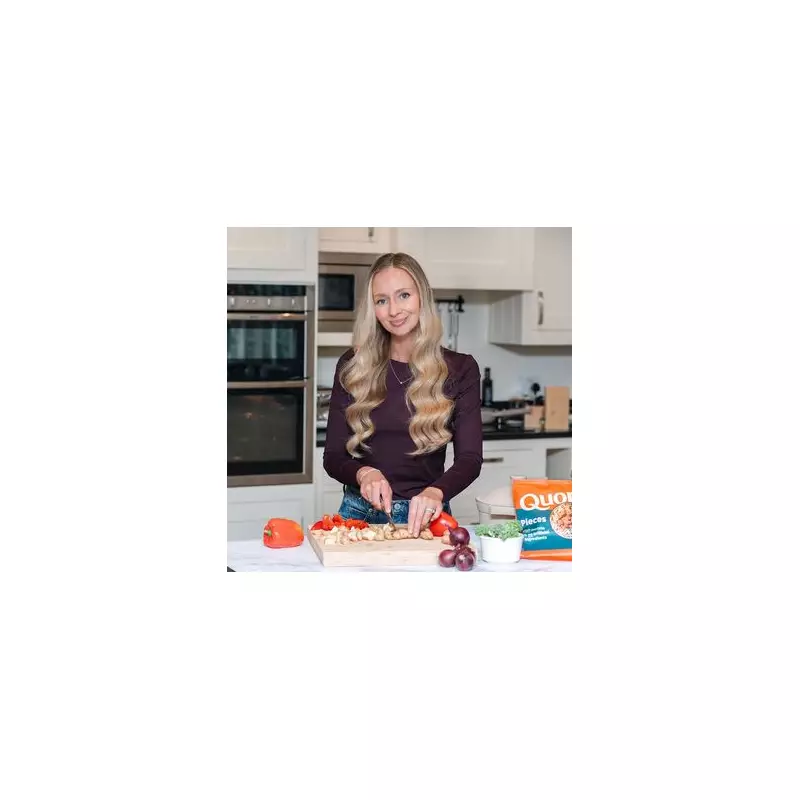
Nutrition Expert Calls for Nuance in Ultra-Processed Food Debate
According to prominent nutritionist Rhiannon Lambert, the blanket condemnation of ultra-processed foods (UPFs) represents a significant oversimplification of nutritional science. Lambert insists that not all UPFs deserve their current vilification, with some products offering superior nutritional benefits compared to alternatives.
The Complexity of Ultra-Processed Classification
The Food Standards Agency acknowledges there isn't a singular agreed definition of ultra-processed food, though it typically refers to products containing ingredients "mostly of exclusive industrial use, typically created by a series of industrial techniques and processes." These are ingredients consumers wouldn't typically find in their kitchen cupboards.
Research from Quorn reveals that 77% of Britons believe UPFs are inherently unhealthy, a perception amplified by sensational headlines and social media content. Nearly one in three adults (29%) find current guidance on the topic confusing, according to a study of 2,000 people.

Nutritional Value Over Processing Method
Lambert, author of The Unprocessed Plate, emphasises that "UPF simply refers to how foods are made, it doesn't automatically mean unhealthy. What matters is the nutritional value." She points out that some UPFs are surprisingly high in protein, low in fat, and provide valuable fibre.
"People are being bombarded with UPF headlines, but very few explain the science," Lambert notes. "Clearer, balanced information will help people make informed choices without confusion or pressure."
Quorn: A Case Study in Nutritional Nuance
Quorn serves as a prime example of why the UPF conversation requires greater sophistication. Although classified as ultra-processed, Quorn's core ingredient is mycoprotein, which offers high protein content, low saturated fat, and valuable fibre.
The brand's new core frozen ingredients range contains no artificial ingredients, making it what Lambert describes as "a no-brainer as a nutritious and easy swap." Quorn's research underscores the urgent need for consistent, evidence-based messaging to counter the mixed information currently dominating public discourse.
Beyond the Binary: Recognising Nutritional Diversity
Other examples of UPFs with good nutritional value include baked beans and wholemeal bread. Quorn's new Fillets, made with just three ingredients and zero artificial additives, join the brand's expanding "No Artificial Ingredients and High in Protein" range alongside Quorn Mince, Pieces, Balls, and Strips.
Lambert concludes that the conversation must move beyond simplistic good-versus-bad categorisations toward a more nuanced understanding that prioritises nutritional content over processing methods alone.