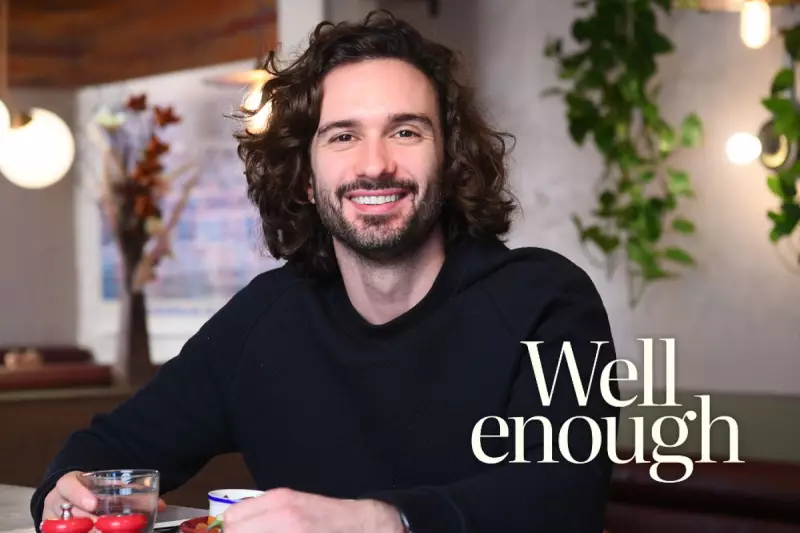
In an era where supermarket shelves groan under the weight of protein-enriched everything, from crisps to ice cream, one of Britain's most recognisable fitness voices is urging a return to basics. Joe Wicks, once dubbed "the nation's PE teacher" during lockdown, is now championing a surprisingly simple antidote to the ultra-processed food (UPF) crisis: get back in the kitchen and cook.
The Protein Paradox: More Products, Less Health?
Speaking on The Independent's Well Enough podcast, Wicks dissected Britain's booming "protein era." While protein bars, yoghurts, and bagels promise health with bold "25g!" labels, Wicks warns many are merely masking a cocktail of additives, emulsifiers, and artificial sweeteners. "You've got this snacking culture where people believe, 'as long as I'm having a protein bar... I'm eating healthy'," he observes. "A lot of them are just full of things that aren't really gonna be good for your overall health."
From Lockdown Burpees to Kitchen Confidence
Post-pandemic, Wicks has evolved from a morning burpee instructor to a vocal advocate for culinary literacy. His new cookbook, Protein in 15, isn't a love letter to processed protein pudding but a manifesto for home cooking. "The only solution from all the research... is cooking more," he states firmly. "Because then you are in control of your calorie intake and your salt, fat and sugar, but also your energy and your mood and your mental health."

He frames cooking as the ultimate act of control in a food environment designed for convenience. Control leads to stability, which in turn curbs the relentless cravings fuelled by UPFs. In his view, many protein bars are merely "the nicotine patches of snack culture"—a temporary fix that fails to address the underlying dependency.
Debunking the Cost Barrier to Healthy Eating
Wicks directly confronts one of the most common criticisms: that cooking from scratch is a luxury many cannot afford in 2026's economic climate. Drawing from personal experience growing up on benefits with a diet he estimates was "80-90 per cent ultra-processed food," he dismantles the idea that healthy equals expensive.
"Of course you're not going to be able to afford lovely chicken breasts and beef mince in all your recipes," he acknowledges. "But you can use alternatives. There's tins of vegetables and frozen veg... you can add lentils to a really nice veggie bolognese." He argues the real financial drain is the daily spend on meal deals, takeaways, and ironically, expensive protein bars themselves. Most recipes in his book, he claims, cost "only two quid per portion."
His advice is pragmatic, if unglamorous: "If you get a little bit more organised and sit down on a weekend and plan your meals and do an online shop... I do think you could be better off financially." He is a proponent of batch cooking—making large pots of curry, bolognese, or chilli—where leftovers become a currency that prevents impulsive, unhealthy purchases.
Protein Without the Panic: A Balanced Approach
Wicks is not anti-protein; far from it. His new focus, however, seeks to remove the neuroticism from nutrition. "I'm from the school of thought that I don't think you need to be too obsessed about daily calories, daily protein targets," he explains. "I've always been much more about balance and a bit more flexibility."
This represents Wicks 2.0: less about sculpting a six-pack, more about wielding a saucepan. He wants protein to be seen as a vital food group, not a lifestyle product marketed with complex macros spreadsheets. "You need to be eating it," he admits, "but not obsessing over 40 grams per meal. It doesn't have to be that complicated."
He broadens the conversation about protein's purpose beyond the gym, highlighting its role in hormone regulation, skin and hair health, gut digestion, perimenopause management, and sustaining focus. Crucially, he notes, "It keeps you fuller for longer," acting as a natural deterrent to mindless snacking.

The Provocative Truth-Teller: Facing Fitness Industry Backlash
Wicks' stance hasn't always been met with universal acclaim. His Channel 4 documentary, Joe Wicks: License to Kill, which investigated UPFs and misleading labelling, sparked significant controversy. He recalls a particular protein bar marketed with impressive health claims on one side, while the reverse warned of potential links to stroke, dementia, and cancer.
"I was really surprised at the amount of anger and pushback from the fitness community," Wicks reveals, citing criticism from other coaches and nutritionists who accused him of demonising foods and stigmatising low-income families. The experience "knocked my confidence a little bit," he admits, but he stands by his mission: "I'm just here trying to help consumers get the truth around the ingredients... That's really my only goal in life."
The Mental Health Connection: Food as Mood Regulator
Perhaps Wicks' most compelling argument transcends physical health entirely. He passionately links diet directly to mental wellbeing. "We always think of exercise for our mental health, but I really believe that food fundamentally changes how we feel," he says. He describes a personal feedback loop where consuming UPFs and sweets leads to low mood and intensified cravings—a cycle familiar to many.
"My biggest concern is, with anything I do, I never want to upset anybody," he emphasises, positioning himself as an empath rather than a critic. His goal is empowerment, not perfection. In a wellness landscape saturated with expensive, single-serve solutions, Wicks offers a radically simple alternative: literacy. Not macros literacy, but ingredient literacy, cooking literacy, and the confidence to make a change.
By shifting the focus from obsessive protein counting to the practical act of preparing balanced meals, Joe Wicks is advocating for a sustainable, affordable, and mentally nourishing approach to food. It's a message that cuts through the noise of the protein boom, reminding us that sometimes, the healthiest choice is also the most straightforward.