That familiar mid-afternoon fog, where concentration evaporates and eyelids grow heavy, is a near-universal experience. Whether it hits after a rushed lunch at your desk or as the winter light fades, the energy slump can derail productivity and wellbeing. Experts explain this phenomenon is deeply rooted in our biology, but simple, actionable changes to diet, hydration, and routine can help you power through.
The Science Behind the Slump: Your Body's Internal Clock
According to Dr Thomas Marjot, a hepatologist at Oxford University Hospitals with a focus on circadian rhythms, two key processes govern our daily energy fluctuations. The first is sleep pressure, the natural tiredness that accumulates the longer we are awake. The second is our circadian rhythm, the internal body clock that regulates alertness and naturally dips in the afternoon.
"For most people, it is at about 3pm when there is a pronounced dip in energy," Dr Marjot explains. "Sleep pressure has been rising for several hours, and at the same time the circadian alertness signal naturally dips. When those two things coincide, we feel the classic afternoon slump." This pattern is so intrinsic that it persists even in controlled 'bunker' experiments without time or light cues.

While chronic tiredness warrants a medical check-up, the occasional afternoon dip is normal. However, as Dr Linia Patel, a dietitian and nutritionist, notes, "getting tired at your desk is not great." The implications are real, from reduced work performance to increased risks, such as drowsy driving.
Practical Strategies to Combat the Crash
Combating the slump requires a multi-pronged approach, targeting diet, activity, and environment.
Rethink Your Lunch and Hydration
Your midday meal plays a crucial role. A large, carbohydrate-heavy lunch can exacerbate sleepiness by activating the 'rest and digest' parasympathetic nervous system. Dr Patel advises a balanced plate: a quarter wholegrain carbs, a quarter protein, and half vegetables or fruit. "If you want to be perky in the afternoon, you have to include some protein in your lunch," she emphasises. For those grabbing a sandwich, adding a hard-boiled egg or vegetable sticks with hummus can help.
Reaching for sugary snacks for a quick fix often backfires, leading to a subsequent crash. Instead, Patel highlights that dehydration is a common and overlooked culprit in energy slumps. Aiming for 1.5 to 1.8 litres of water daily is key, with the colour of your urine being a reliable indicator—the clearer, the better.
Move, Socialise, and Seek Light
Sedentary behaviour after eating worsens the slump. A brief walk outside aids digestion and boosts alertness through movement and fresh air. Sleep therapist Dr Katharina Lederle recommends getting up for a mini movement break every hour to improve energy and concentration.
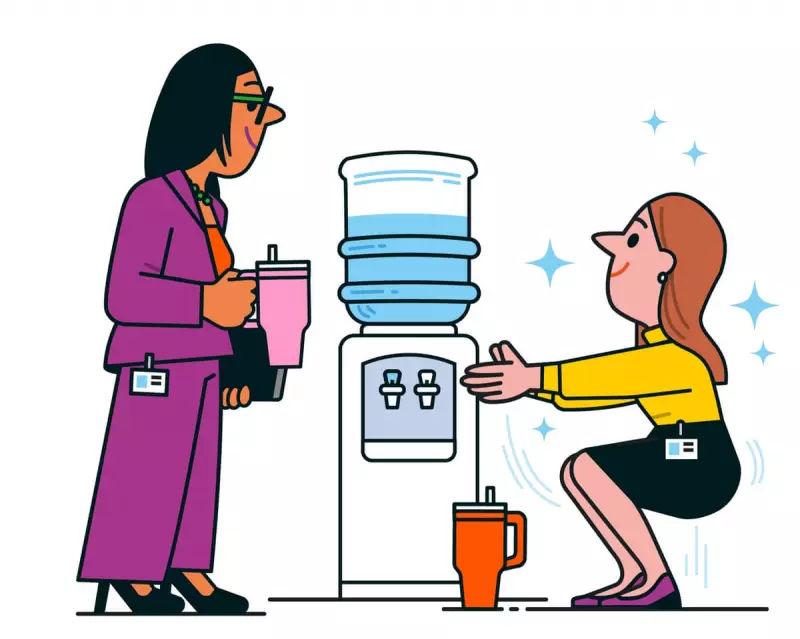
Social interaction is another powerful stimulant. A quick chat with a colleague, even a virtual one, can enhance performance. Furthermore, light exposure is critical, especially in winter. "Light is a very powerful stimulator of the circadian system to signal alertness," says Dr Marjot. Getting outside for daylight, even briefly, helps reset your internal clock.
Use Caffeine Wisely and Prioritise Sleep
Caffeine can artificially prop up alertness, but timing and tolerance matter. Generally, it's advisable to avoid caffeine after lunchtime and not exceed 400mg daily (roughly two cups of coffee). Energy drinks are discouraged due to high sugar and additive content. For a steadier release, green tea, containing L-theanine and a little caffeine, is an alternative.
Ultimately, daytime energy is built on nighttime rest. Good sleep hygiene is non-negotiable: morning light exposure, a cool dark bedroom, and winding down without screens before bed. If you must nap, keep it short—20 to 30 minutes—to avoid disrupting night-time sleep.
By understanding the biological triggers of the afternoon slump and implementing these expert-backed habits, you can navigate energy dips effectively and maintain focus throughout your day.