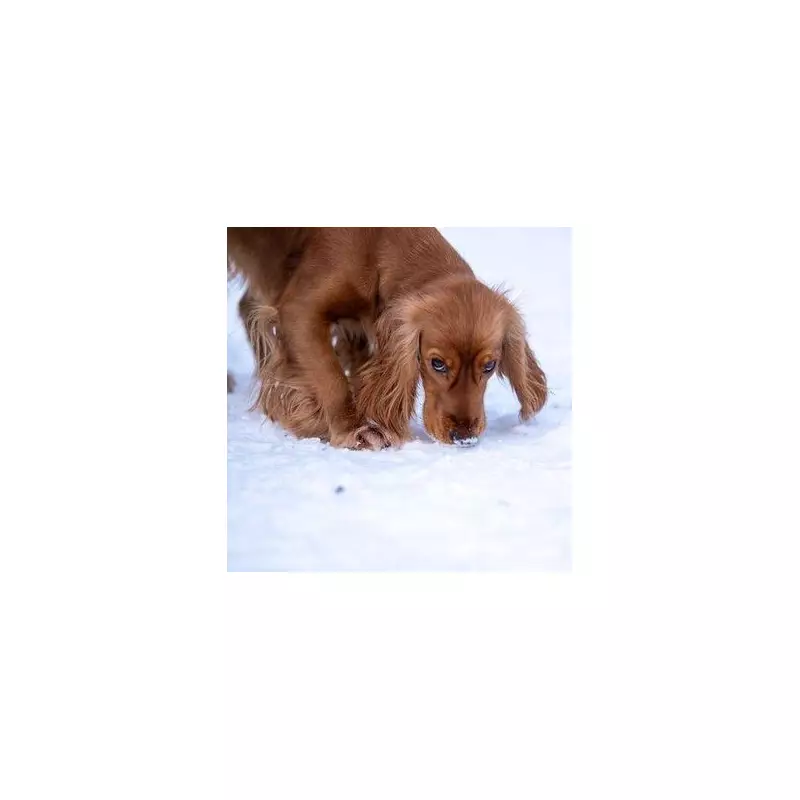
As winter tightens its grip, dog owners across the UK are becoming increasingly concerned about hidden hazards in their own back gardens. Search data reveals a significant spike in concern, with over 14,000 searches for "pet-safe plants" recorded in November alone.
Seasonal Beauty Masks a Toxic Threat
Laura Ward, a Pet Nutritionist at the natural dog food brand Green Pantry, has issued a stark warning to owners. She explains that many plants used to create a festive or seasonal garden display can be seriously harmful if chewed or eaten by curious canines. "A quick winter garden check can prevent an emergency vet visit," Ward advises, "especially if you have a curious dog that loves to dig."
The primary dangers often lie beneath the surface or within common winter flora. Bulbs planted in autumn, such as daffodils, crocuses, and snowdrops, contain potent toxins. Daffodil bulbs hold lycorine, which can cause severe vomiting, drooling, and even death. Crocus plants contain colchicine, leading to stomach pain and fatigue, while snowdrops harbour galantamine, potentially triggering seizures.

Common Winter Hazards to Remove Now
The risks are not limited to flower beds. Several other seasonal items pose a clear threat to pet health:
- Holly, Mistletoe & Ivy: These classic winter plants can cause drooling, vomiting, and abdominal pain in dogs.
- Conkers & Acorns: Falling in abundance from autumn through winter, they present a choking hazard, can cause gut blockages, and lead to sickness and rashes.
- Rock Salt & Grit: Widely used for de-icing paths and roads, these substances can irritate paws and cause illness if licked off.
- Mushrooms & Toadstools: Various fungi that appear in damp conditions can be incredibly poisonous and should be promptly removed from gardens.
- Compost & Fertiliser: Decomposing compost can contain dangerous neurotoxins, and fertiliser is attractive to dogs but causes vomiting and diarrhoea.
Proactive Steps for a Pet-Safe Winter
Laura Ward provides clear, actionable advice for owners wanting to protect their pets. She recommends actively collecting fallen acorns, leaves, and berries, and regularly sweeping the garden for mushrooms. Store antifreeze, salt, and fertiliser securely off the ground and rinse your dog's paws after walks in gritted areas.
Despite the need for caution, Ward emphasises that winter walks remain essential for dog wellbeing. The key is supervision and training. "Being aware of danger on the ground can help pet owners avoid them," she states. She advises not letting dogs pick up unknown items and suggests practising commands like 'leave it' and 'drop it' during walks.
By taking these preventative measures, owners can ensure their gardens and winter walks are safe, allowing the whole family, including four-legged members, to enjoy the season without an unexpected trip to the vet.