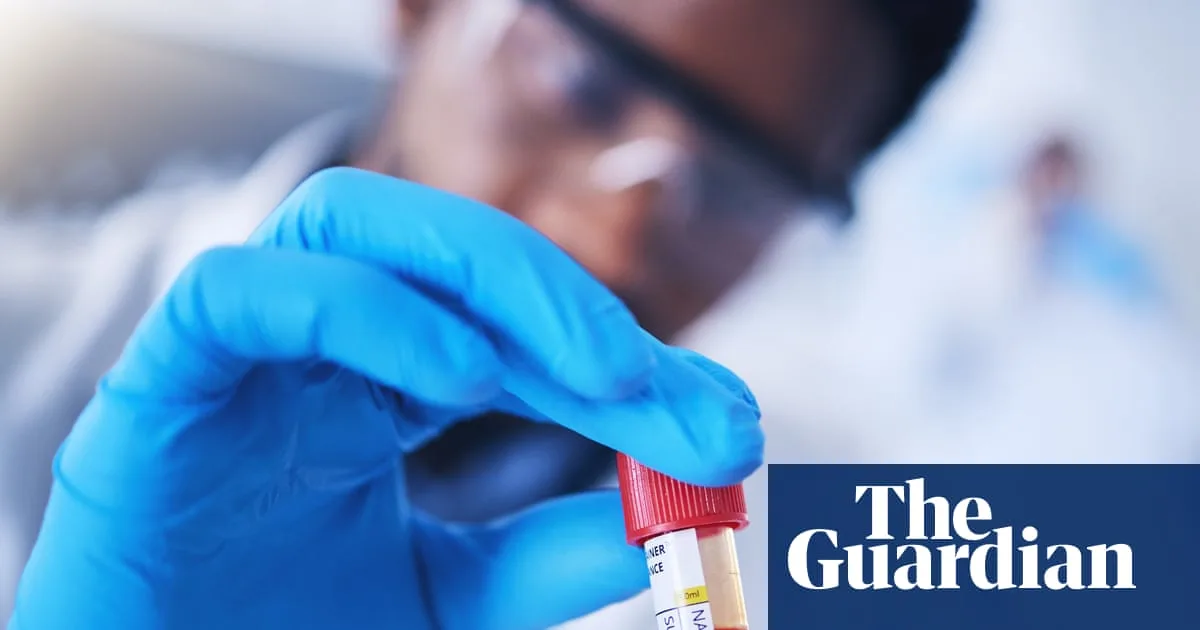
Molecular blood profiles taken from a simple pinprick could detect early signs of disease more than a decade before symptoms appear, researchers have said. The findings follow the completion of a major project by UK Biobank to measure nearly 250 different proteins, sugars, fats and other compounds in blood samples from half a million volunteers.
The complex profiles give a detailed snapshot of each person's physiology. Combined with medical records and death registries, scientists can predict the risk of diseases such as diabetes, heart disease, cancer and dementia. Dr Joy Edwards-Hicks at the University of Edinburgh described the work as a 'real gamechanger', adding that more predictive tests will shift healthcare towards prevention rather than treatment.
UK Biobank worked with Nightingale Health to measure key metabolites including sugars, amino acids, fats, hormone precursors and waste products. These molecules reflect how the body breaks down food and drink, and how organs use energy and repair themselves. Changes in metabolic profiles can indicate organ damage or disease, such as raised ammonia from a diseased liver or increased urea from kidney damage.
Dr Julian Mutz at King's College London said the profiles capture genetic predisposition and environmental exposures, providing a dynamic snapshot of physiological state. Researchers are already using the data to predict dementia risk 10 to 15 years in advance, which could enable early interventions. The new data should also help predict rarer neurodegenerative diseases like frontotemporal dementia.
Dr Najaf Amin at the University of Oxford had early access to the profiles, revealing differences in how males and females age and develop age-related diseases. Further work will explore how sex affects medication efficacy. Professor Naomi Allen, UK Biobank's chief scientist, said studying metabolites is a powerful way to unveil warning signs, understand disease progression, and track treatment effectiveness.