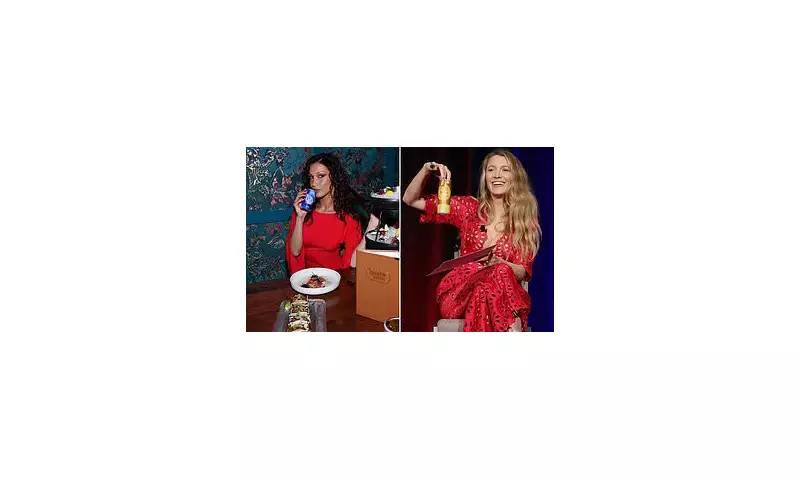
Millions of Americans are embracing the annual Dry January challenge, vowing to forgo alcohol for the month to reset their health after the festive season. The movement, popularised a decade ago by the UK non-profit Alcohol Change UK, has been linked to improved sleep, weight loss, and lasting changes in drinking habits.
The Sober Trend's Sweet Pitfall
With an estimated one in three Americans planning to participate in some form in 2025, the demand for alcohol-free alternatives like mocktails has surged. Celebrities such as Tom Holland, Blake Lively, and Bella Hadid have fuelled the trend by endorsing or creating their own non-alcoholic brands. However, nutrition experts are raising a red flag about the hidden health costs of these seemingly virtuous drinks.
Speaking to the Daily Mail, registered dietitians warned that many mocktails compensate for the lack of alcohol with staggering amounts of sugar and calories. Tiffany Bruno, a dietitian and director of education at Switch4Good, explained, 'Mocktails vary greatly depending on the ingredients. A drink that has soda, juice, and flavour syrups can be really high in sugar that leaves you crashing later on.'

Nicolette Pace, founder of NutriSource, was even more direct, comparing a virgin piña colada to a milkshake. She cautioned, 'Many of them can equal the calories of a large slice of cheesecake. For some people, the idea that a mocktail is “healthier” leads them to drink two of them... Two can easily hit 800 calories.' This excess can elevate risks for obesity, type 2 diabetes, and heart disease.
Beyond Sugar: Additives and Triggers
The concerns extend beyond mere calorie counts. Pre-made mixers often contain artificial additives like colours, sweeteners, and preservatives such as sodium benzoate. Some of these have been linked in studies to potential health issues, including hyperactivity and cancer risks.
Furthermore, for the 29 million Americans who have experienced alcohol use disorder, mocktails can pose a significant threat to sobriety. Pace noted that the sensory experience—the taste, glass, and presentation—can trigger powerful cravings by recalling the feeling alcohol once provided. The high sugar content is doubly problematic, as people in recovery often crave sugar due to its dopamine-releasing effect, similar to alcohol.
Choosing a Healthier Path
Despite the pitfalls, not all alcohol-free options are unhealthy. The experts offered clear guidance for a more beneficial Dry January:
- Opt for smarter bases: Bruno suggests using sugar-free seltzer as a foundation for its flavour and lack of sugar.
- Choose vegetable-based drinks: Pace recommends options like an alcohol-free Bloody Mary or drinks with carrot juice, which can be lower in calories.
- Mind your consumption: Both experts stress the importance of limiting intake. Dr Shy Vishnumohan advises sticking to one or two mocktails before switching to water, while Bruno recommends alternating each drink with a glass of water.
- Presentation matters: Serving a healthier mocktail in a beautiful glass can make it feel festive without the calorie overload.
The key takeaway, according to Dr Vishnumohan, is 'intentional choices, not a never-ending list of “healthier versions." As Dry January continues to grow in popularity, being aware of what's in your glass is just as important as knowing what isn't.