Millions across the United States are embracing the annual Dry January tradition, forgoing alcohol to reset their health following the festive season's indulgences. The movement, popularised by the charity Alcohol Change UK in 2013, encourages complete abstinence for the month and has been linked to improved sleep, weight loss, and lasting habit changes.
The Sober Surge and Celebrity Endorsements
Participation in Dry January continues to climb. Studies estimate that in 2025, nearly one in three Americans intended to take part, either by fully abstaining or cutting back. This marks a significant increase from the previous year, where a CivicScience survey found about one in four joined the trend.
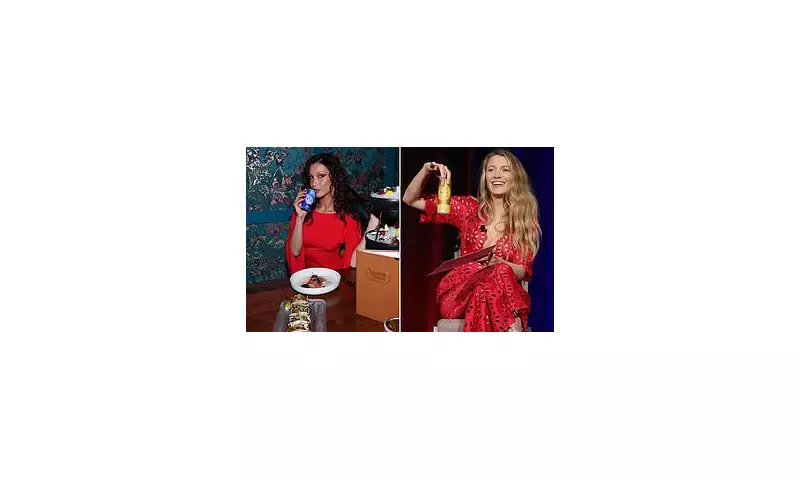
To maintain the social ritual of drinking, many participants are turning to sophisticated alcohol-free mocktails. This booming demand has attracted celebrity backing, with stars like Tom Holland, Blake Lively, and Bella Hadid launching or promoting non-alcoholic brands.

The Unhealthy Truth Behind 'Healthy' Swaps
While avoiding alcohol reduces cancer and chronic disease risks, nutrition experts caution that mocktails are not automatically a healthy choice. Speaking to the Daily Mail, dietitians revealed that many drinks compensate for the lack of alcohol with excessive sugar and calories.
Tiffany Bruno, a registered dietitian and director of education at Switch4Good, explained, "Mocktails vary greatly. A drink with soda, juice, and syrups can be extremely high in sugar, leading to an energy crash later." She added that without alcohol, a mocktail might contain even more sugar to boost flavour.
Nicolette Pace, founder of NutriSource, was blunter, stating, "A virgin pina colada is essentially a milkshake. Many mocktails can equal the calories of a large slice of cheesecake." She warned that the perception of healthiness can lead people to consume two in an evening, potentially adding 800 extra calories.
This sugar and calorie load can elevate the risk of obesity, type 2 diabetes, and heart disease. Furthermore, pre-made mixers often contain artificial additives like colours, sweeteners, and preservatives such as sodium benzoate. Some of these have been linked in studies to health concerns, including hyperactivity and potential cancer risks.
Specific Risks for Those in Recovery
The experts highlighted a particular danger for the 29 million Americans who have experienced alcohol use disorder. For them, mocktails that mimic the taste and presentation of former favourite cocktails can act as a powerful trigger, reigniting cravings and jeopardising sobriety.
"The sensory experience can bring back the memory of the feeling alcohol gave them," Pace said. Additionally, people in recovery often crave sugar, as both substances stimulate dopamine release. High-sugar mocktails can therefore complicate the recovery process and contribute to weight gain.
Dr Shy Vishnumohan, a food scientist and dietitian, advised those with a history of alcohol use disorder to consult their support team before regularly consuming alcohol-style mocktails.
How to Make Smarter, Healthier Choices
Not all alcohol-free options are problematic. The dietitians offered clear guidance for a healthier Dry January:
- Choose a better base: Bruno recommends using flavoured seltzer, which is often sugar-free.
- Opt for vegetable-based drinks: Pace suggests an alcohol-free Bloody Mary or similar drinks with carrot juice. Using sugar-free mixers can reduce the calorie count to around 300.
- Mind your glass: Presentation matters. A healthy mocktail in a beautiful glass can still feel festive.
- Pace yourself: Both Bruno and Dr Vishnumohan stress the importance of limiting intake. They advise sticking to one or two mocktails before switching to water, alternating drinks just as one might with alcohol.
Dr Vishnumohan concluded, "The goal is intentional choices, not a never-ending list of 'healthier versions.'"