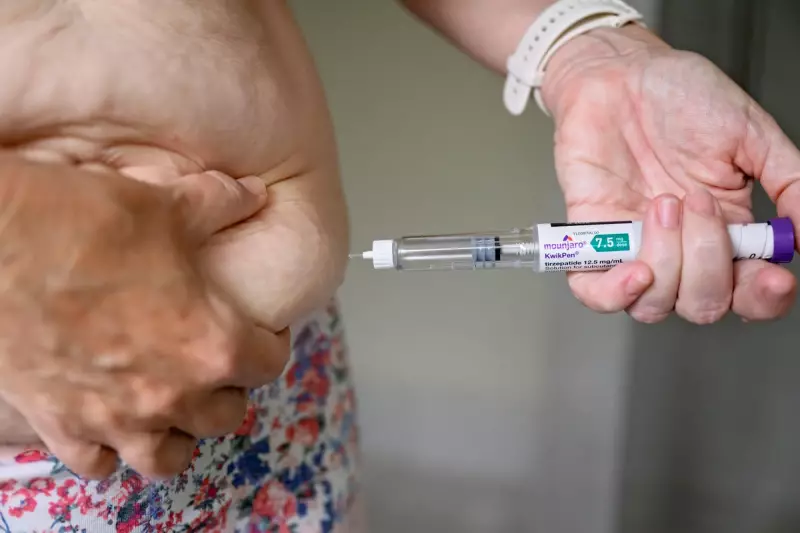
New research has delivered a stark warning for those using popular weight-loss injections: stopping the medication could lead to weight piling back on at an alarming rate. A study from the University of Oxford indicates that individuals who cease using drugs like Mounjaro and semaglutide may regain lost weight four times faster than traditional dieters, often within a 20-month period.
The Critical Need for a Support Plan
Doctors and nutritionists are now emphasising that the initial success of these treatments is only half the battle. They stress that robust, ongoing support is absolutely crucial to prevent the pounds from creeping back. This support must involve significant and permanent lifestyle changes, focusing on a sustainable diet and consistent exercise routines. Medical professionals strongly advise against abruptly discontinuing the injections, which are known as GLP-1 receptor agonists.
Instead, they recommend a carefully managed maintenance programme that involves gradually reducing the dosage. This tapering approach helps the body adjust to functioning without the medication and is seen as a key strategy in mitigating rapid weight regain.

How The Drugs Work and Why Weight Returns
These injections, including brands like Ozempic, work by mimicking a natural hormone called GLP-1. This hormone plays a vital role in regulating blood sugar levels, suppressing appetite, and slowing down digestion. The combined effect leads to reduced food cravings and a feeling of fullness, making it easier to consume fewer calories.
However, when the medication is withdrawn, these beneficial effects diminish. Without the drug's influence on appetite and digestion, old eating habits can quickly resurface, leading to the swift return of weight. This underscores why the medication is a tool for weight loss, not a permanent cure.
Building New Habits for Long-Term Success
The path to keeping weight off permanently lies in establishing new, healthy behaviours while the medication is still active. Experts point to the importance of using the treatment period to address underlying 'food noise'—the constant mental preoccupation with food—through mindful eating practices.
One patient's success story highlights this approach. Their long-term maintenance after stopping the injections relied on cementing new routines. This included regular physical activity and a conscious, structured approach to nutrition that was developed and ingrained during their course of treatment.
The consensus from medical professionals is clear: lasting weight management after GLP-1 drugs requires a foundational shift. Patients must use the window of opportunity provided by the medication to build and solidify the healthy habits that will sustain them for life.