In the quest for better health, UK households are increasingly turning to a tiny but mighty ancient seed. Chia seeds, once a staple for Aztec and Mayan civilisations, have secured a permanent spot in British store cupboards, celebrated by nutritionists and viral social media trends alike.
What Exactly Are Chia Seeds?
Originating from the Salvia Hispanica L. plant in southern Mexico and Guatemala, these minuscule seeds are a deceptive powerhouse. Valentina Cartago, known as The Italian Nutritionist, emphasises their impressive fibre content, warning that their small, dry form is misleading. They possess a unique ability to absorb liquid and swell significantly, which is crucial for safe consumption. Experts advise against eating them dry to prevent potential bloating or digestive discomfort, especially for those new to high-fibre foods or with swallowing difficulties.
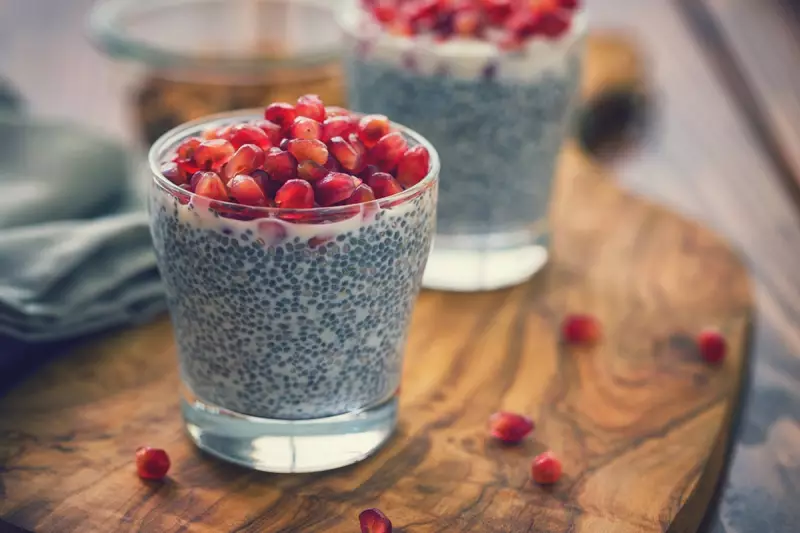
"Due to their ability to quickly swell after absorbing a liquid, it is advisable to consume chia seeds that have been soaked in a liquid or moist food, such as yoghurt or oatmeal, rather than dry," Cartago explains. Their versatility sees them sprinkled on breakfasts, baked into goods, or soaked to create a gel-like substance, though texture can be an acquired taste.

A Nutritional Powerhouse in a Teaspoon
The health credentials of chia seeds are substantial. A 100-gram serving delivers a remarkable nutritional profile: 17g of protein, 34.4g of fibre, and 631mg of calcium. They are also rich in omega-3 fatty acids (63.9% linolenic acid), magnesium, and antioxidants like caffeic acid.
This dense nutrient mix translates to tangible health benefits. Research indicates regular consumption can reduce the risk of heart disease and diabetes while promoting a healthy digestive tract. For those on plant-based diets, chia seeds are a valuable source of bioavailable amino acids often lacking in modern meals.
The benefits extend beyond internal health. Cosmetic dermatology doctor Dr Simon Ourian MD highlights their impact on skin. "These tiny seeds are rich in Omega-3 fatty acids, which help reduce inflammation, calm irritation, and support a smoother, more hydrated complexion," he says. The antioxidants present also combat free radical damage, contributing to a brighter appearance.
How to Safely Add Chia to Your UK Diet
Integrating this superfood into your routine is straightforward. For those wary of complex cooking, they are an ideal topping for porridge, smoothies, or yoghurt. A standard serving of two tablespoons (28g) provides 4.7g of protein and 9.8g of fibre.
Dr Ourian suggests starting slowly: "I suggest starting with a small amount –1 to 2 teaspoons – and adjusting to your preference." For texture-sensitive individuals, he recommends soaking seeds in almond milk or yoghurt for 10-15 minutes before blending. This process harnesses their gelling property, which Cartago notes can help bulk stools and promote regular bowel movements, aiding those with constipation.
Ultimately, chia seeds offer a simple, potent nutritional upgrade. As Cartago concludes, adding them to meals is a quick and effective way to significantly boost the content of fibre, protein, and healthy fats in your daily diet, supporting wellbeing from the inside out.