BBC Expert Issues Crucial Food Safety Guidance on Takeaway Leftovers
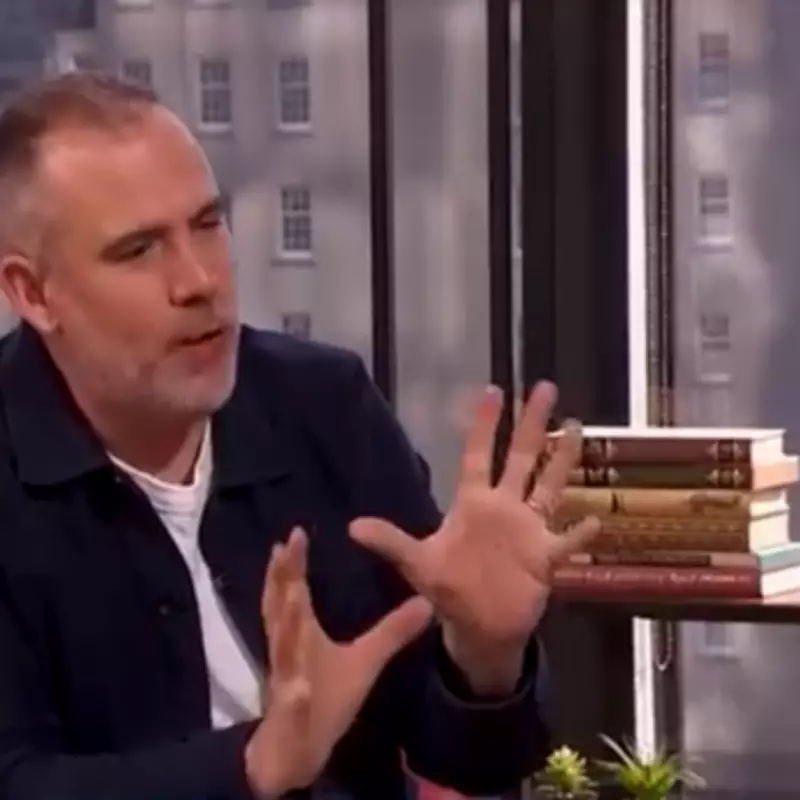
Many people have faced the dilemma of staring at a leftover curry or pizza in the refrigerator, questioning whether it remains safe to consume. In a recent segment on BBC Morning Live, Dr Xand van Tulleken provided definitive answers to these common food safety concerns, offering clear rules to prevent potential illness.
The Two-Day Rule for Takeaway Leftovers
During a discussion focusing on refrigerator hazards, Dr Xand posed a critical question to the show's guests and presenters. He asked, "Talk about you've ordered a takeaway. It's been in the fridge for a couple of days. Only a couple of days. Looks fine, smells fine. Would you eat it?" While most participants responded affirmatively, Dr Xand delivered a stark warning.
He emphasised that two days is the absolute maximum for storing leftovers, advising viewers to discard any takeaway food beyond this point to avoid food poisoning risks. Host Helen Skelton noted that some foods, like Chinese cuisine, might taste better the following day, but Dr Xand highlighted the danger of forgetting when the food was originally purchased, a common oversight that can lead to consuming spoiled items.

Beyond Leftovers: Milk, Cheese, and Defrosting Dangers
Dr Xand extended his advice beyond takeaways, addressing other frequent refrigerator misconceptions. He challenged the reliability of the 'sniff test' for milk, explaining that milk can harbour harmful bacteria that produce no odour, even a couple of days past its use-by date. He recommended discarding milk after this period, particularly if vulnerable individuals are present, and suggested storing it in the main body of the fridge rather than the door to maintain colder temperatures and slow spoilage.
Regarding cheese, he distinguished between hard and soft varieties. Hard cheeses like cheddar can be safely consumed after trimming off mould with a generous margin, but soft cheeses pose a significant risk, especially for pregnant women due to listeria bacteria that can severely affect unborn babies. He urged caution, advising against eating soft cheese with any mould.
Dr Xand also clarified that, unlike in America, eggs in the UK do not require refrigeration because hens are vaccinated against salmonella. However, he stressed the importance of the meat shelf in fridges, noting that meat, poultry, fish, and shellfish are the most dangerous sources of food poisoning, with chicken being particularly hazardous. These items should be kept as cold as possible, ideally on lower shelves.
The Correct Way to Defrost Food
Addressing a common but risky practice, Dr Xand firmly stated that defrosting food outside the refrigerator is "completely incorrect and you should disregard it entirely." He explained that while the exterior may reach room temperature, the interior can remain frozen, creating an environment where bacteria thrive on the warmer surfaces.
The only safe method is defrosting in the fridge, despite it being time-consuming. He acknowledged the organisational challenge but emphasised that leaving food on counters or plates, akin to post-party leftovers, allows bugs to proliferate rapidly, posing serious health risks.
By following these evidence-based guidelines, individuals can significantly reduce their chances of foodborne illness, ensuring their meals remain both enjoyable and safe.