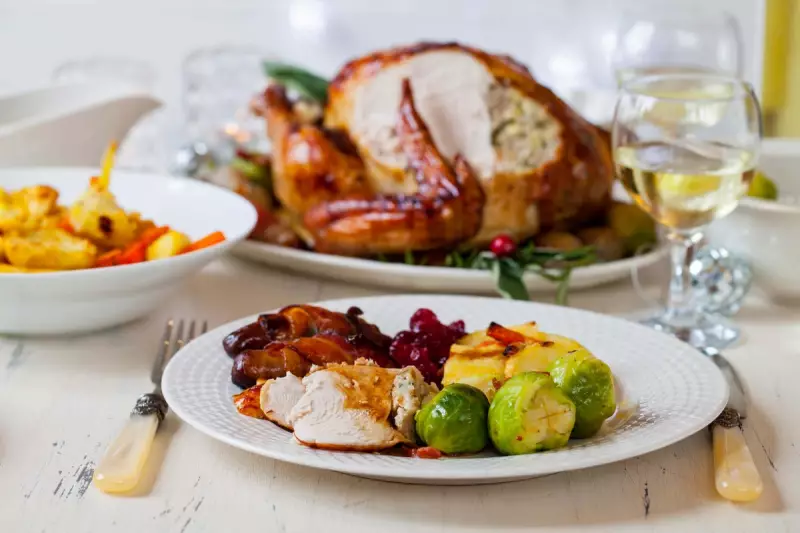
Christmas dinner wouldn't be complete without the iconic turkey taking centre stage, yet year after year, countless British households face the disappointment of serving dry, lacklustre meat that requires copious amounts of cranberry sauce to become palatable. Professional chefs across the UK are now sharing their insider secrets to transform your Christmas centrepiece from disappointing to divine.
Selecting Your Perfect Bird
According to Ben Palmer, BBC's Great British Menu starter winner 2024 and chef at The Sardine Factory in Looe, the journey to perfect turkey begins at the selection stage. "When choosing your turkey, always examine the size and shape," Palmer advises. "Opt for the roundest, most plump bird available, as this indicates it was healthy and will deliver superior flavour. Avoid any that appear skinny, suggesting a less favourable life and potentially poorer health."
Palmer emphasises that quality often correlates with price, recommending investment in local producers, reputable butchers, and organic delivery services for the best results.

TV celebrity chef James Martin, whose latest book Cheese is currently available, suggests practical considerations for family size. "Think sensibly about your requirements," Martin says. "For a family of six, a turkey crown rather than the whole bird will reduce cooking time by half while still providing ample meat."
Anthony Ekizian, Gaucho's culinary director, provides clear guidance on sizing: "A small turkey typically serves five to six people, while medium to large birds accommodate over eight. Always look for plump, free-range options, with bronze turkey being preferable if budget allows."
Preparation Techniques for Maximum Moisture
Several top chefs advocate for brining as a game-changing preparation method. Dean Banks, a former BBC MasterChef finalist, explains his approach: "Create the juiciest, most flavourful turkey by brining. Use a large storage box filled with water and 10% salt, then add festive spices like cinnamon sticks, cloves, bay leaves, and orange peel. Submerge the turkey, cover with the lid, and leave overnight in your garden. This seasons the meat throughout, ensuring exceptional tenderness."
Dylan James, head chef at Cambium at Careys Manor Hotel and SenSpa, agrees that brining ensures beautifully moist meat while seasoning the bird completely. "For perfectly crispy skin, pat the brined turkey dry and leave uncovered in the fridge overnight. This drying process ensures the skin crisps wonderfully during roasting."
Theo Randall, chef patron at Theo Randall at the InterContinental, highlights another crucial preparation step: "Remove your turkey from the refrigerator at least one hour before cooking. This accelerates cooking time and improves roasting results."
Cooking Methods and Common Pitfalls
Marcus Wareing, Masterchef: The Professionals judge, identifies the most common mistake home cooks make. "Cooking the turkey whole creates an inevitable problem - the legs and thighs won't cook fully before the breast dries out. You'll always find yourself between a rock and a hard place."
Wareing recommends a strategic solution: "Remove the legs and thighs, asking your butcher to bone and roll them for separate cooking. Cook only the breast on the crown or remove them for slow cooking. Most people overcook their turkeys trying to ensure the thighs are done."
James Martin concurs, noting: "Turkey becomes dry primarily because it's overcooked. I've witnessed people cooking them for six hours - naturally ruining the meat. That's why purchasing a crown makes sense for smaller gatherings."
Ben Palmer suggests an effective moisture-enhancing technique: "Create a self-basting flavoured butter with garlic, seasoning, lemon, thyme and sage mixed into salted butter. Lift the skin at the cavity and use your fingers to separate it from the breast meat before smothering the butter across the breast. As the turkey cooks, the butter gradually bastes the crown, resulting in exceptionally moist, tasty meat."

The Crucial Resting Period
Managing Christmas dinner timing often causes significant stress, but James Martin proposes a practical solution. "Don't hesitate to cook the turkey in advance. Prepare it in the morning and remove it from the oven at least two hours before serving. Chefs never serve roast meat straight from the oven - resting for at least an hour improves the result significantly. You can continue basting during resting to maintain moisture."
This approach also creates valuable oven space for roasting potatoes and other sides. "When you overcrowd the oven with multiple items, the temperature drops, extending cooking times unnecessarily," Martin explains.
Marcus Wareing emphasises the importance of resting for flavour development: "My turkey rests for approximately an hour because I need the pan for gravy and oven space for other dishes. Never fear extended resting times, and don't worry about serving it piping hot."
Professional Carving Techniques
After investing considerable effort in preparation and cooking, proper carving ensures your hard work pays off at the table. Wareing recommends: "Remove the entire breast from the bone rather than carving directly on the carcass. Make a cut down the centre, take the whole breast off, then slice it beautifully. This method yields lovely, even slices and maximises meat recovery."
Wareing recalls watching traditional carving methods: "I remember observing my father's approach - it created mess and left substantial meat on the bone." By adopting professional techniques, home cooks can ensure every slice does justice to their culinary efforts.
Following these expert recommendations from Britain's top culinary professionals will transform your Christmas turkey from a potential disappointment into the star of your festive feast, creating memorable dining experiences for family and friends gathered around your table.