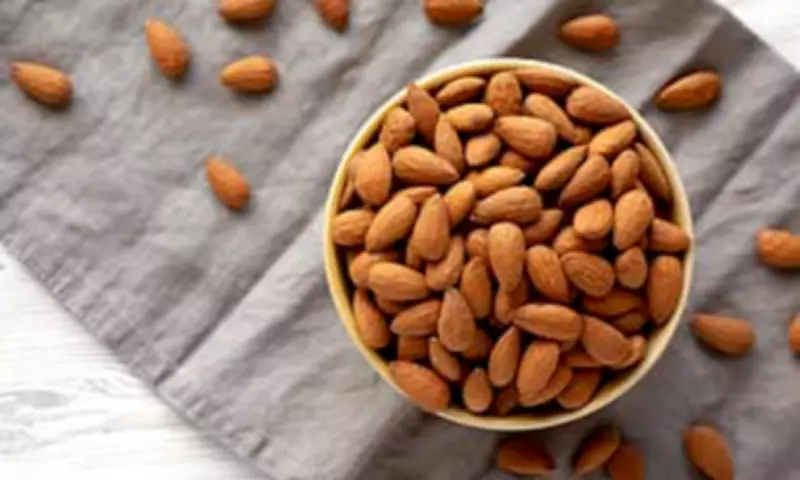
Almonds: From Ancient Snack to Modern Dementia-Fighting Superfood
Once dismissed as nothing more than 'rabbit food' for health enthusiasts, almonds have undergone a remarkable transformation to emerge as a legitimate superfood with potential applications in combating dementia. These versatile nuts, whether sprinkled over yoghurt or mixed into morning oats, have shed their humble reputation to command newfound respect in nutritional circles.
The Ancient Origins of a Modern Superfood
Despite their contemporary superfood status, almonds are anything but new. Archaeological evidence reveals they were cultivated as early as 3000BC in the Middle East and Central Asia, prized by ancient civilizations for their impressive shelf life and portable energy content—essentially serving as endurance snacks for early travelers and traders.
Though commonly referred to as nuts, almonds are technically seeds harvested from the fruit of the almond tree. After removal of the outer hull and hard shell, the edible kernel can be consumed whole, roasted, ground into butter, or processed into milk and flour.

Almonds first gained popularity in Europe through ancient trade routes before Spanish missionaries introduced almond trees to California during the 18th century. This pivotal move eventually positioned California as the 'world almond capital,' establishing the state's dominance in global almond production.
The Nutritional Powerhouse Revealed
While almonds have long been associated with dieting due to their perceived high-calorie content, nutrition scientists now argue this reputation is misleading. Research demonstrates that when consumed whole, approximately 30 percent of almond calories remain unabsorbed, instead nourishing beneficial gut bacteria.
More significantly, almonds are packed with omega-6 fatty acids, monounsaturated fats, fiber, vitamin E, and polyphenols—nutrients scientifically linked to improved blood vessel health, reduced cardiovascular risk, and enhanced brain function. This vascular benefit represents almonds' true superpower, with healthy blood vessels directly connected to reduced dementia risk.
'Nuts like almonds represent a nutritional powerhouse,' explains Professor Sarah Berry, Chief Scientist at ZOE and Associate Professor at King's College London. 'They contain heart-healthy fats, fiber, and bioactive compounds that support both blood vessel function and the gut microbiome—both increasingly connected to cognitive health and dementia risk.'
'Almonds contain polyphenols, bioactive substances that activate anti-inflammatory pathways,' Professor Berry continues. 'They also provide arginine, an amino acid precursor to nitric oxide, which maintains healthy, dilated blood vessels. This suggests almonds may offer protective effects for blood vessel function.'
'We know that microvascular damage, particularly in the brain, contributes to certain dementia types and other cognitive diseases,' she adds.
Groundbreaking Research Findings
Last month at the Nutrition Society Winter Meeting, researchers from ZOE and King's College London presented new findings connecting almond consumption with reduced incidence of brain-related illnesses. Analyzing data from over 160,000 adults in the UK and US participating in the ZOE PREDICT 3 study, researchers identified a clear pattern: individuals reporting daily almond consumption showed lower likelihood of conditions including dementia, Parkinson's disease, stroke, multiple sclerosis, and epilepsy.
Based on these correlations, the research team suggested that incorporating almonds into regular diets might support both brain health and overall physical wellbeing.
Addressing Common Almond Questions
Are almonds high in fiber? Yes, almonds contain substantial fiber that supports gut microbiome health and digestive regularity. Approximately 30 percent of almond calories pass through the digestive system undigested.
'When consuming whole almonds, you swallow hundreds of intact cells with rigid cell walls—essentially fiber,' explains Professor Berry. 'This encapsulates the fat, making it resistant to digestion, hence why 30 percent of calories exit the body.'

High-fiber diets lower risks of heart disease, stroke, type 2 diabetes, and bowel cancer. The NHS recommends adults consume around 30g of fiber daily, though most Britons average only 16g, with just 4 percent reaching the recommended target.
Are almonds high in fat? Almonds contain beneficial fats, particularly monounsaturated fatty acids that improve blood vessel function and support heart health. A standard portion (1 oz or 23 almonds) provides 160–165 calories, 6g protein, 14g fat, and 3g fiber.
'Almonds contain primarily monounsaturated fats, associated with improved blood vessel function and heart health,' notes Professor Berry, distinguishing them from harmful saturated fats.
Should anyone avoid almonds? While no medication conflicts are known, environmental concerns exist regarding water usage and pesticide application in California almond farming. Individuals with kidney issues, thyroid problems, sensitivities, or nut allergies should exercise caution.
Are almonds high in calories? Though calorie-dense, approximately 30 percent of almond calories remain unabsorbed due to fiber content. 'A packet might indicate 170 calories per portion, but you actually absorb only about 130,' clarifies Professor Berry. This changes with almond butter, where grinding releases more calories.
For optimal health benefits, Professor Berry recommends two large handfuls (approximately 60g) daily.
Consumption Forms and Recommendations
Roasted versus unroasted: Research indicates minimal nutritional difference between roasted and unroasted almonds, making preference the deciding factor. However, honey-roasted or chocolate-coated varieties add extra sugars and calories.
'Research shows roasting has minimal impact on polyphenol composition,' says Professor Berry. 'The key is consuming almonds in any form you enjoy—whether nut butter, whole, or chopped.'
Almond butter and milk: Almond butter contains more released calories than whole nuts, though homemade versions retain more intact cell walls. Almond milk contains minimal actual almond content, primarily consisting of water.
Why snack on almonds? 'Changing snacking habits represents one of the simplest dietary strategies for improving health,' emphasizes Professor Berry. 'Snacks remain under individual control, unlike main meals often dictated by environment or family preferences.'
'Incorporating almonds into breakfast provides protein without refined carbohydrates, maintaining stable blood sugar levels,' she adds.
Beyond Nutrition: Beauty Applications
Almond oil serves as a prized beauty product, leaving hair and skin feeling silky and nourished. Naturally rich in vitamins, minerals, and essential fatty acids, almond oil supports skin and hair health with high vitamin E levels that protect against environmental damage and reduce redness.
The oil also provides vitamin A for cell renewal and improved skin texture, plus vitamin D and B vitamins like biotin for scalp health and strong, flexible hair.
From ancient endurance snack to modern superfood with potential dementia-fighting properties, almonds have truly earned their place among nutritional powerhouses, offering benefits that extend from brain health to beauty applications.