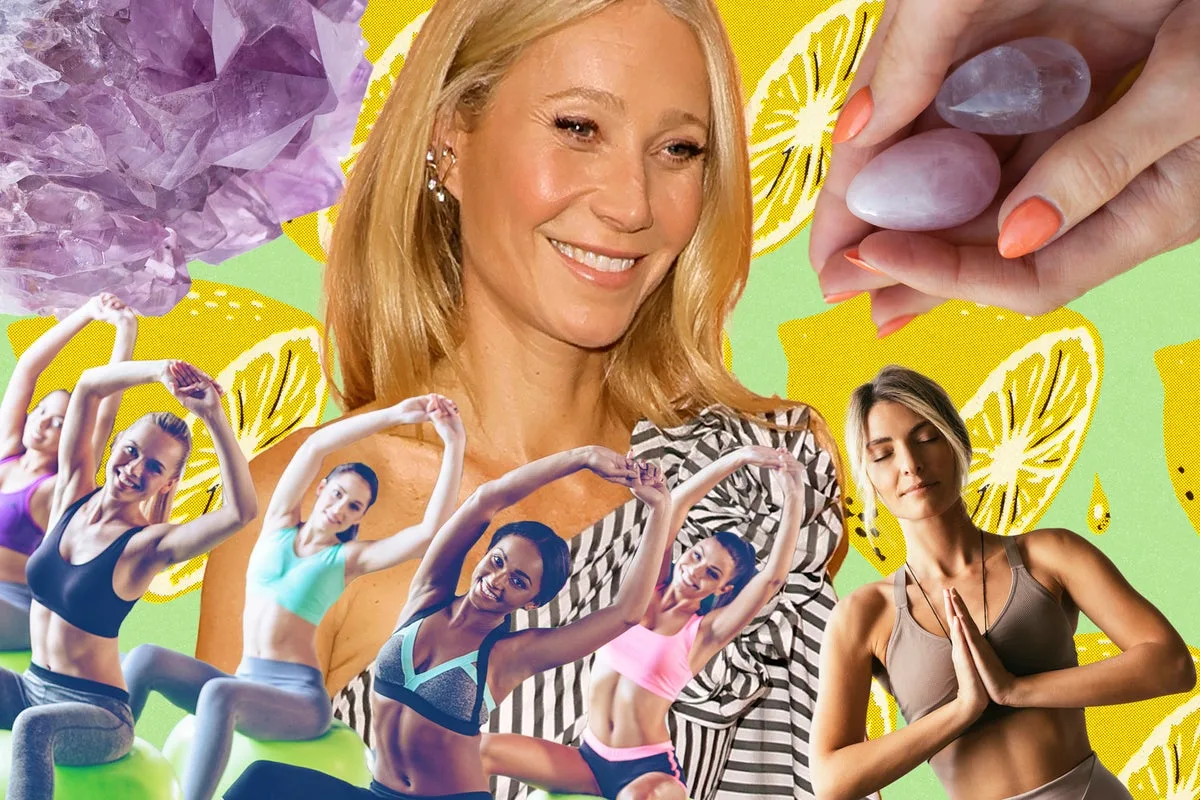
The wellness industry, valued at $4.4 trillion globally in 2020, is facing growing scrutiny as more people question its claims. Once a niche concept, wellness has become mainstream, with celebrities like Gwyneth Paltrow promoting jade eggs and Kim Kardashian endorsing blood facials. However, critics argue that many products and practices lack scientific backing and may even harm mental health.
Journalist Rina Raphael, a former wellness devotee, describes how she bought into trends like clean eating and energy supplements despite their dubious science. Her turning point came after her father's death, when she realised her wellness regime was exacerbating anxiety rather than alleviating it. 'Self-care became a job,' she says, noting that she felt paranoid about missing workouts or using products with parabens.
The industry's reach extends beyond celebrities, infiltrating everyday life through juice cleanses, mindfulness apps, and 'clean' foods. Yet evidence suggests these practices often fail to deliver on their promises. A 1979 news segment called wellness 'a word you don't hear every day'; today, it is ubiquitous, but the question remains: are people actually feeling better?
Raphael's experience mirrors a broader awakening. As consumers become more sceptical, the wellness industry may need to confront its lack of regulation and reliance on pseudoscience. For now, many are left wondering if the pursuit of wellness has become just another source of stress.