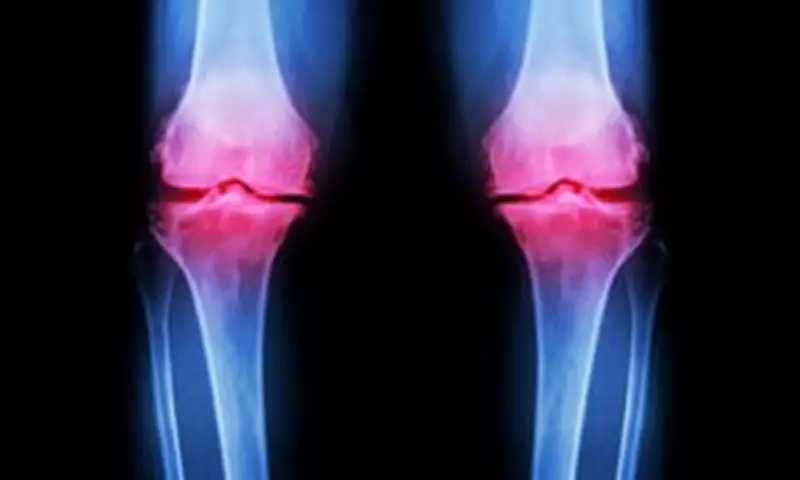
Clean Eating and Extreme Fitness Trends Fuel Rise in Youth Osteoarthritis Cases
Orthopaedic surgeons are raising urgent alarms about a dangerous trend among younger generations, where an obsession with clean eating and gruelling fitness challenges is leading to a significant increase in fractures and joint problems, including early-onset osteoarthritis. Research indicates a sharp rise in young patients presenting with knee, hip, foot, and back injuries directly linked to high-intensity exercise regimes.
The New Normal: From Pub Nights to Gym Extremes
Younger adults are increasingly swapping social nights at the pub for participation in demanding fitness competitions like Crossfit and Hyrox, alongside marathon running and restrictive dietary practices. While exercise is one of the most effective interventions against osteoarthritis—a condition causing painful and stiff joints—experts emphasise that many devotees are unaware their extreme habits are placing immense strain on developing bodies.
Tim Sinnett, a leading trauma and orthopaedic consultant, explains: "We are seeing younger and younger patients presenting with more advanced cartilage damage. The presumption is that they're picking up more soft tissue injuries around the joint as a result of more extreme and intense exercise."

Understanding Osteoarthritis and Its Early Onset
Osteoarthritis affects approximately 10 million people in the UK and is the most common form of arthritis. Typically developing from around age 45, it involves the breakdown of protective cartilage on bone ends, preventing joints from fully repairing themselves. Factors contributing to cartilage degradation include genetics, obesity, repeated joint stress, age, smoking, and injury.
Post-traumatic osteoarthritis is specifically related to fractures extending into joints like the ankle, wrist, and knee, which can cause improper healing and accelerate cartilage breakdown. By age 70, about half of people develop arthritis, but diagnoses are now occurring much earlier in life.
The Role of Nutrition and Dietary Deficiencies
Eating well with a focus on calcium-rich anti-inflammatory foods, such as dairy products, has long been shown to protect joints and reduce inflammation. However, many young people are cutting out dairy, increasing risks of nutrient deficiencies and bone inflammation.
Mr Sinnett adds: "We want patients to be healthy and exercise—fueling the body is massively important. But there's a whole group of people, mainly women, who cut out dairy, for example, resulting in bone inflammation because they're not getting enough calcium."
Professor Lanham-New, clinical advisor to the National Osteoporosis Society, warns: "Without urgent action to encourage young adults to incorporate all food groups and avoid particular 'clean eating' regimes, we are facing a future where broken bones become just the 'norm'."
Impact on Young Lives and Long-Term Health
Dr Atiqah Aziz, a senior researcher at the National Orthopaedic Centre of Excellence for Research and Learning, highlights the devastating effects on younger individuals: "Pain and stiffness can limit physical activity during years when work, caregiving, and family life are often most demanding. Unlike older adults, younger patients may face decades of managing symptoms and repeated treatments."
Unlike osteoporosis, where fragile bones increase fracture risks, osteoarthritis can be reversed with lifestyle changes. The critical issue is that young people often lack awareness that their exercise and diet choices can exacerbate risks.
Effective Interventions: Exercise and Early Warning Signs
Experts agree that early identification of warning signs is crucial. Alongside balanced nutrition, the most effective intervention is exercise—specifically weight-bearing activities focusing on strength and resistance training. Bone mineral density peaks around age 30, meaning young adults who fail to build strong bones face increased risks of bone thinning.

Mr Sinnett recommends cross-training, combining impact sports like running and jumping—which create small shocks stimulating bone growth—with resistance training such as Pilates or yoga. These practices enhance synovial fluid production, nourishing cartilage and reducing friction during movement.
However, he cautions: "Most bodies are not ready for this level of loading without preconditioning, which has essentially resulted in an increase in injuries. The slight catch-22 is that stretching and resistance training can cause soft tissue injuries when people push through what they think is a stretch but is actually a tear."
The Path Forward: Moderation and Prevention
Early symptoms like mild knee or hip pain or intermittent stiffness are often dismissed as signs to exercise more, leading many to delay medical advice until joint damage is advanced. Experts maintain that early prevention and intervention can reduce pain and alleviate pressure on the NHS.
Mr Sinnett concludes: "It's just another example of everything in moderation." By promoting balanced diets, appropriate exercise regimes, and awareness of joint health, the rising tide of youth osteoarthritis can be countered, safeguarding long-term well-being for future generations.