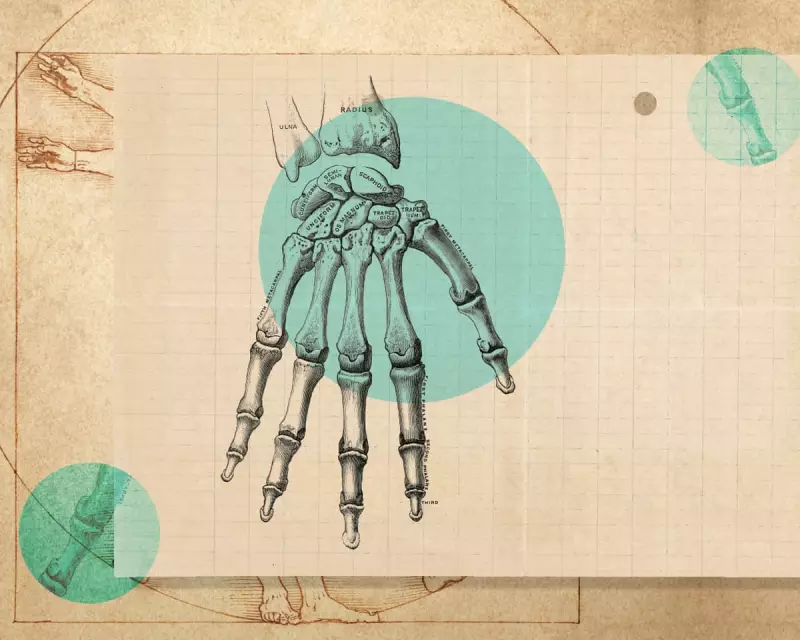
Wrists represent one of the most intricate and vital structures in the human body, enabling a remarkable range of activities from delicate neurosurgery to powerful handstands. However, this complexity also makes them susceptible to a variety of injuries and conditions, particularly during periods of increased activity or repetitive use.
Understanding Wrist Anatomy and Vulnerability
Brigette Evans, an occupational therapist at Bathurst Hand Therapy, emphasises the sophistication of wrist anatomy. "The wrist is such a complex little area," she notes, highlighting its evolution to support both broad movements and fine motor control. This structure includes eight carpal bones, the radius and ulna forearm bones, and metacarpals in the hand, all interconnected by ligaments and tendons.
This intricate design means that a lot can go wrong, especially when subjected to stress. A common scenario, as Evans points out, is the "fall on an outstretched hand," where individuals instinctively use their arms to break a fall, transferring significant force to the wrists. This risk often increases during holidays or playful activities, such as when adults attempt to use children's scooters or bikes without considering the impact of gravity on older bodies.

Common Wrist Conditions and Their Causes
Repetitive movements pose a significant threat to wrist health. Nicola Wheeler, a physiotherapist from Bondi Junction Hand Therapy, identifies De Quervain tenosynovitis, often referred to as "mother's thumb," as a frequent issue. This condition arises from repetitive actions like lifting a baby under the arm or maintaining feeding postures, which can inflame tendons connecting arm muscles to the thumb bones.
Wheeler explains, "Once they're inflamed and thick, as they glide through a tunnel, they get caught, causing friction and more inflammation." To mitigate this, experts recommend modifying movements, such as using different lifting techniques taught by midwives and nurses, and supporting babies with pillows during feeding to reduce wrist strain.
Preventative Strategies for Wrist Health
Maintaining wrist health is less about strengthening and more about careful usage. Wheeler advises minimising wrist movement during load-bearing activities, keeping it straight and stable instead. "In a lot of situations, we're trying to train people to use larger load-bearing joints and muscles like the arm and shoulder," she says, comparing it to safe lifting practices for back injury prevention.
Another prevalent condition is carpal tunnel syndrome, characterised by tingling, numbness, or weakness in the thumb and first two fingers. This occurs when the median nerve is compressed in the carpal tunnel, often due to prolonged wrist bending during sleep or computer use. Wheeler notes that poor positioning, such as resting wrists on hard surfaces for extended periods, can exacerbate this issue.
To combat stiffness and compression, Evans suggests keeping wrists limber through regular breaks during computer work. "Just getting up and moving your wrists in all the different directions they comfortably go in can help," she advises, recommending gentle stretches and rotations. For morning stiffness, a heat pack may provide relief.
Practical Takeaways for Daily Life
Incorporating these tips into daily routines can significantly reduce the risk of wrist problems. Key recommendations include:
- Avoiding repetitive movements that strain the wrists, such as excessive scrolling or improper lifting.
- Using ergonomic techniques to maintain straight and stable wrist positions during activities.
- Taking regular breaks to stretch and rotate wrists, especially during prolonged computer use.
- Being cautious with physical activities, like using children's toys, to prevent falls and injuries.
By understanding the complexity of wrists and adopting preventative measures, individuals can better protect this crucial area of the body from common ailments and enjoy a healthier, more active lifestyle.