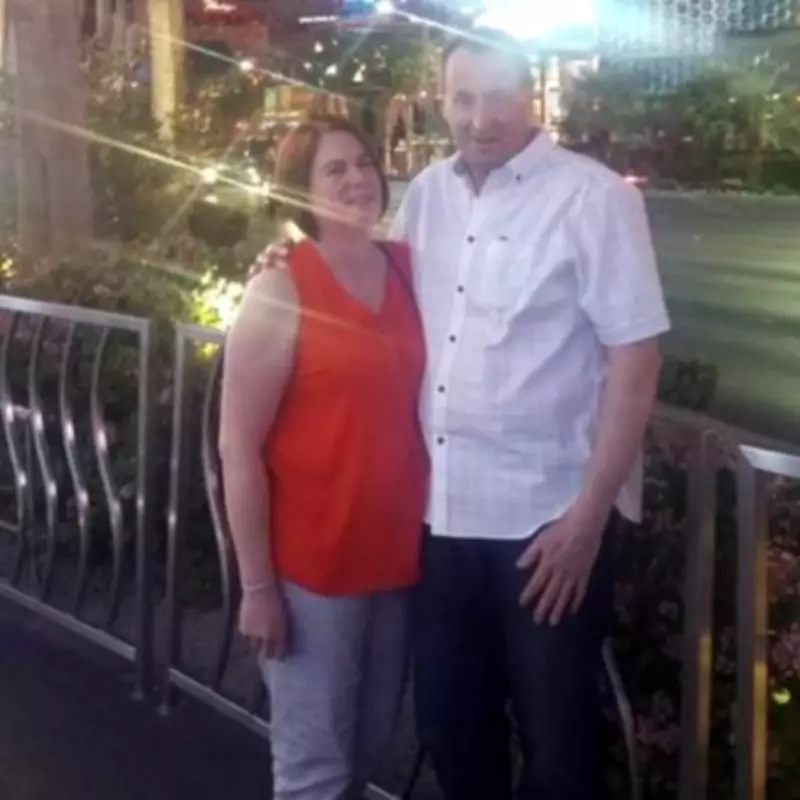
A woman has shared the devastating moment she was forced to make the decision to switch off her husband's life-support machine, just eleven days after he received a Covid-19 vaccination. Sheila Ward described the traumatic events that led to the death of her husband, Stephen Ward, a 57-year-old man from Newcastle-Under-Lyme who had worked at the Co-op for four decades.
The Tragic Sequence of Events
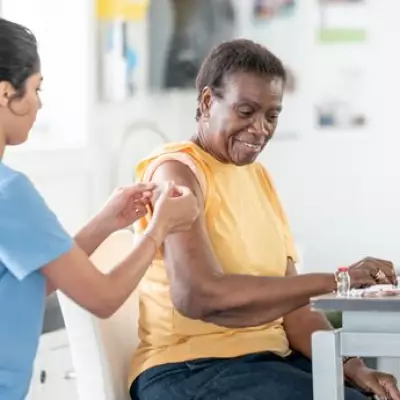
Stephen Ward received the AstraZeneca Covid-19 vaccine in 2021. Ten days later, he was admitted to hospital after displaying symptoms indicative of a stroke, including significant speech difficulties and pronounced weakness in his limbs. Medical professionals discovered he had developed a serious blood clot and fought intensively to save his life.
"Stephen was one of those people who would help anybody do anything," Sheila Ward told the Press Association, painting a picture of a community-minded individual. "If your car wouldn’t start in the morning he would help you, if you were unwell he would mow your grass."

A Heartbreaking Decision
Despite the doctors' efforts, the family was informed the following day that the internal bleeding was too severe for recovery. This led to the heart-wrenching choice to withdraw life support. Sheila Ward explained their reasoning for getting vaccinated, stating they had both contracted Covid in November 2020 before the vaccine rollout.
"From our point of view there was no urgency to take the vaccine. It was just the obvious choice really – to take the vaccine to protect loved ones, and like everyone else we wanted to get back to normal," she said. It took almost a year for a coroner to formally conclude that Stephen's death was a "result of complications of medical vaccination".
Another Family's Ordeal
Kate Scott also provided evidence to the UK Covid-19 Public Inquiry, detailing how her husband Jamie was left with permanent disabilities following a reaction to the vaccine. Jamie Scott, a 44-year-old senior IT engineer, received the AstraZeneca jab in April 2021. Ten days later, he awoke with a severe headache, vomiting, and impaired speech, requiring an ambulance to hospital.
He underwent multiple operations to treat a blood clot in his brain, spent four weeks in a coma, and suffered lasting side effects. These include impaired speech, reduced cognition, memory deficits, visual difficulties, concentration problems, and chronic fatigue. The father of two received a payment under the Vaccine Damage Payment Scheme (VDPS).
"He is a warrior. I often say we are the luckiest unlucky people. He survived," Kate Scott said. "He had to relearn to walk, talk, eat, and communicate. He’s got a hidden disability of brain damage... He has had over 300 medical appointments and just navigating life with a brain injury is difficult." She added it is very unlikely he will be able to work again in his problem-solving IT role.
Calls for Systemic Reform
Both women are members of the support group Vaccine Injured and Bereaved UK (Vibuk). The group has been campaigning for reform of the Vaccine Damage Payment Scheme, which currently provides a one-off payment of £120,000 to eligible claimants. These calls have been amplified by the UK Covid-19 Public Inquiry.
Inquiry chairwoman Baroness Heather Hallett stated the scheme is "not sufficiently supportive" and requires "urgent reform". Her report, while highlighting the vaccination programme as a "success story" that saved an estimated 475,000 lives in England and Scotland by March 2023, acknowledged the "rare cases" of serious injury or death.
Key Recommendations
Lady Hallett made several critical recommendations:

- Increase the Minimum Payment: The £120,000 payment, last revised in 2007, is deemed "too low". It should increase with inflation, which would now place it in excess of £200,000, and continue to rise accordingly.
- Create a Fairer System: Establish a more equitable process for determining payments to those affected.
- Improve Safety Monitoring: Regulatory bodies should have enhanced access to healthcare records for monitoring the safety of new vaccines and therapeutics.
"It is an uncomfortable truth, but vaccine injury and death are part of the pandemic story. Today’s recommendations somewhat recognise that reality," Kate Scott responded to the report.
Legal and Pharmaceutical Perspectives
Solicitors representing vaccine-injured groups welcomed the Inquiry's platform for these stories. Sarah Moore, a partner at Leigh Day representing 48 claimants, stated: "The Vaccine Damage Payment Scheme, in its current form, fails to provide timely or adequate support to those who have been seriously injured or bereaved due to vaccine side effects."
The AstraZeneca vaccine, known as Vaxzevria, was withdrawn from the market in May 2024. Initially hailed as a "triumph for British science" upon its UK approval in December 2020, it was manufactured on a not-for-profit basis during the pandemic. Independent estimates suggest it saved over 6.3 million lives globally in its first year, with more than three billion doses supplied.
In April 2021, the UK's Medicines and Healthcare Products Regulatory Agency (MHRA) issued guidance on the "possible risk of extremely rare and unlikely to occur specific types of blood clots" associated with the jab. AstraZeneca, in a statement, expressed sympathy for those affected but reiterated that regulators worldwide consistently state the benefits of vaccination outweigh the risks of extremely rare potential side effects.
"Patient safety is our highest priority," the company said, noting the vaccine's safety profile from clinical trials and real-world data. "We are incredibly proud of the role the Oxford-AstraZeneca vaccine played in ending the global pandemic."