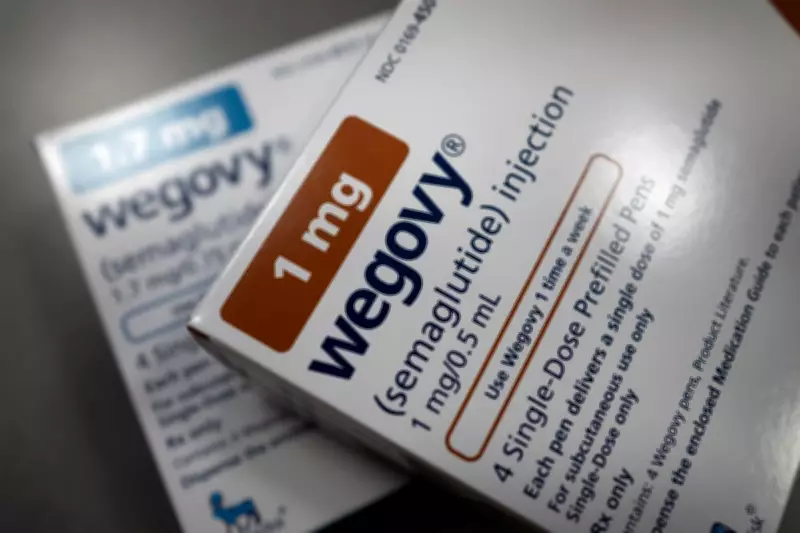
Weight-Loss Jabs Ozempic and Wegovy Linked to Reduced Anxiety and Depression in Major Study
Groundbreaking new research indicates that popular weight-loss and diabetes medications, including Ozempic and Wegovy, may offer significant benefits for mental health by alleviating symptoms of anxiety and depression. The study, published in The Lancet Psychiatry, focuses on the active ingredient semaglutide, a GLP-1 receptor agonist used in these treatments.
Study Details and Key Findings
An international team of researchers from institutions including the University of Eastern Finland, Karolinska Institutet in Stockholm, and Griffith University in Australia analyzed data from Swedish health registries spanning 2009 to 2022. They examined information from over 95,000 patients, with 22,480 individuals using GLP-1 medications like semaglutide and liraglutide, the latter sold under the brand name Saxenda.
The findings are striking. Semaglutide was associated with a 44 per cent decreased risk of worsening depression and a 38 per cent decreased risk of worsening anxiety compared to non-use of such drugs. Additionally, it was linked to a lower risk of substance abuse. Liraglutide also showed a reduced risk of worsening depression, though to a lesser extent than semaglutide.

Potential Mechanisms and Expert Insights
Research director Markku Lahteenvuo from the University of Eastern Finland noted that while the study cannot pinpoint exact causes, the association is strong. He suggested several possible factors, including reduced alcohol consumption, improvements in body image due to weight loss, better glycaemic control in diabetes, and direct neurobiological mechanisms affecting the brain's reward system.
"For anxiety and depression that co-occur with diabetes and obesity, semaglutide and, to a lesser extent, liraglutide might be useful dually effective therapeutic options," the authors wrote, highlighting the potential for these drugs to address both physical and mental health issues simultaneously.
Related Research on Pregnancy Risks
In a separate study, researchers from Denmark investigated accidental pregnancies among individuals taking GLP-1 receptor agonists during early pregnancy. Analyzing data from 480,231 women with a total of 756,636 pregnancies, they found that 529 had inadvertently taken liraglutide or semaglutide.
The study revealed that exposure to these drugs was associated with an increased risk of pre-term birth when used for diabetes treatment, but not for weight management. Researchers concluded that the underlying diabetes, rather than the medication itself, may be the causal factor in this risk, emphasizing the need for careful consideration in clinical settings.
Implications for Future Treatment
This research opens new avenues for treating mental health conditions, particularly in patients with obesity or type 2 diabetes. The dual benefits of weight management and improved mental well-being could make semaglutide-based therapies a valuable option in healthcare. However, further studies are needed to fully understand the mechanisms and long-term effects, ensuring safe and effective use across diverse patient populations.