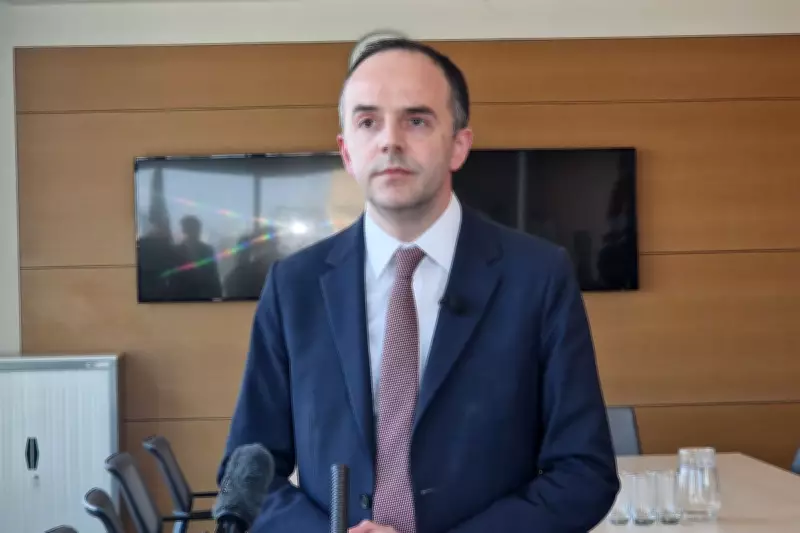
Health Secretary James Murray has accepted a recommendation from the UK National Screening Committee (UKNSC) that will result in only a few thousand high-risk men being screened for prostate cancer, a move that has disappointed campaigners but is based on scientific evidence.
UKNSC recommendation against universal screening
The UKNSC's final recommendation, published last week, advised against screening all men using the prostate-specific antigen (PSA) blood test, stating it is "likely to cause more harm than good." Instead, the committee recommended targeted screening for men with BRCA2 genetic mutations, who face a significantly higher risk of developing prostate cancer.
Men with BRCA2 mutations will be tested every two years between the ages of 45 and 61 if they have a family history of breast, ovarian, pancreatic, or prostate cancers. Prostate cancer is more common, develops earlier, and can be more aggressive in this group. Of 100 men with a BRCA2 variant, between 21 and 35 will develop prostate cancer before age 80. As a result, it is estimated that a "few thousand" men will be screened each year.

The UKNSC also recommended against screening for other at-risk groups, including black men, citing "ongoing uncertainty on whether screening would cause more good than harm." There is ongoing debate over the reliability of the PSA test.
Government response and funding
Mr Murray accepted the recommendations on Tuesday but announced a £20 million investment into prostate cancer research and treatment. This includes funding to expand the Transform trial, which explores the best ways to screen for the disease, ensuring it includes more black men.
Mr Murray said: "This is a major step forward in how we tackle prostate cancer – focusing on those most at risk, improving the treatments available, and backing the research we need to close the evidence gaps and save lives. We're following the science to make sure men get earlier answers and better care, and to avoid doing unnecessary harm. By investing in research through trials such as Transform, we're building a fairer, more effective prostate cancer screening system for the future."
Dr Ian Walker, director of policy at Cancer Research UK, said the decision will be "disappointing for some" but is in line with evidence. The screening programme is expected to be rolled out in 2027.
Reactions from campaigners and deputy PM
Deputy Prime Minister David Lammy, who has two brothers living with prostate cancer, said: "Tackling prostate cancer is personal for me. I've seen first-hand the toll it takes on individuals and their loved ones. Helping more black men take part in this research is about saving lives, closing deadly inequalities and making sure we understand what works best for those most at risk."
Laura Kerby, chief executive at Prostate Cancer UK, described the funding announcement as a "truly historic moment." She said: "Black men are twice as likely to get the disease, and twice as likely to die from it. That's why we're delighted that the Government has more than doubled its support for Transform and is backing our Black Health Equity Strategy, allowing us to generate the vital evidence needed to ensure those at highest risk are diagnosed earlier, when treatment is most effective. This is only possible because of the commitment and leadership of black communities across the country, bringing us a step closer to a world where no man dies from prostate cancer."