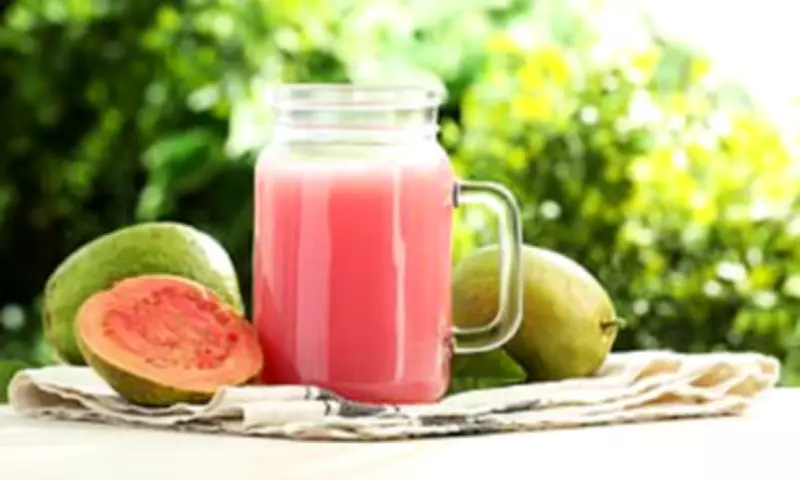
A common nutrient deficiency impacting over a third of women – causing fatigue, brain fog and low mood – could be eased with guava juice, scientists claim. Iron deficiency has been listed as one of the top five causes of disability in women of reproductive age globally. While treatment is simple, symptoms are often dismissed as hormonal changes, stress, or depression.
Understanding Iron Deficiency
Defined by the NHS as the most common cause of anaemia – where blood lacks the capacity to carry oxygen around the body – the condition disproportionately affects women because they both need and lose more iron than men. Left untreated, it can increase the risk of infection, heart failure and pregnancy complications. Once a deficiency has been identified, most women are prescribed iron tablets. However, the daily pills come with side effects including constipation, abdominal pain, heartburn and nausea, meaning adherence is low.
Guava Juice as a Solution
Now scientists have discovered guava juice could boost iron levels without these side effects and are calling for it to be included in dietary advice for anaemia prevention. According to the study – published in BMJ Nutrition Prevention & Health – guava fruit is a rich, affordable source of Vitamin C, which can help the body absorb more iron from plants in our diet such as leafy greens, pulses, nuts and seeds. Vitamin C is believed to increase iron absorption, which is why the NHS advises taking supplements with orange juice or vitamin C tablets. Guava contains around four times as much Vitamin C per 100g as oranges, while also providing Vitamin A, folate and iron – all of which are needed by young women, particularly those trying to conceive or in early pregnancy.

Study Findings
The researchers analysed data from 12 studies involving 235 women and teenage girls. They found that the juice was particularly effective for pregnant women – 42 per cent of whom become anaemic during pregnancy – who saw a 1.8g/d increase in haemoglobin levels after drinking the juice. Haemoglobin is a protein in red blood cells responsible for carrying oxygen around the body. The five studies that directly compared iron supplements with the dual-action approach, involving over 200 women, found guava juice boosted levels by around 1.3g/dl. The researchers suggested this is enough to reverse symptoms of the condition. 'An increase of 1–2g/dl may shift individuals from mild or moderate anaemia to non-anaemic categories, improving fatigue, cognitive function and productivity outcomes,' they said.
Call for Updated Guidelines
The team are now calling for guidelines to be updated to integrate guava juice into school nutrition programmes and antenatal care packages, especially in low- and middle-income countries. 'Given its nutritional richness and affordability, guava juice offers a promising low-cost intervention. Strengthening local supply chains, standardising formulations and embedding such dietary approaches within public health nutrition programmes could collectively contribute to more sustainable anaemia control,' they said. However, the team acknowledged limitations, including that all studies were carried out in Indonesia. 'Without further rigorous research to define the best therapeutic dose and period of use, guava juice alone cannot be recommended as an alternative to conventional treatment in those at risk of iron deficiency anaemia.'

Broader Context
Latest figures suggest around two billion people now have iron deficiency, with 1.2 billion suffering from iron-deficiency anaemia worldwide, primarily driven by poor diet. Other contributing factors include heavy periods, frequent pregnancies and poor access to healthcare. It affects just 3 per cent of men and around a third of women, but tell-tale signs such as thinning hair, low mood and brain fog are often normalised – making iron deficiency one of the most underrecognised conditions. The NHS recommends 6.9–8.7mg a day for children under 10, men over 18 and women over 50, and 14.8mg for menstruating girls and women aged 11–49. Most people should be able to get all the iron they need from their daily diet. Good sources include liver, red meat, pulses, nuts, dried fruit and fortified cereals. Women who lose a lot of blood during their period are at higher risk and may need supplements. Those who think they have iron deficiency anaemia can request a blood test from their GP.