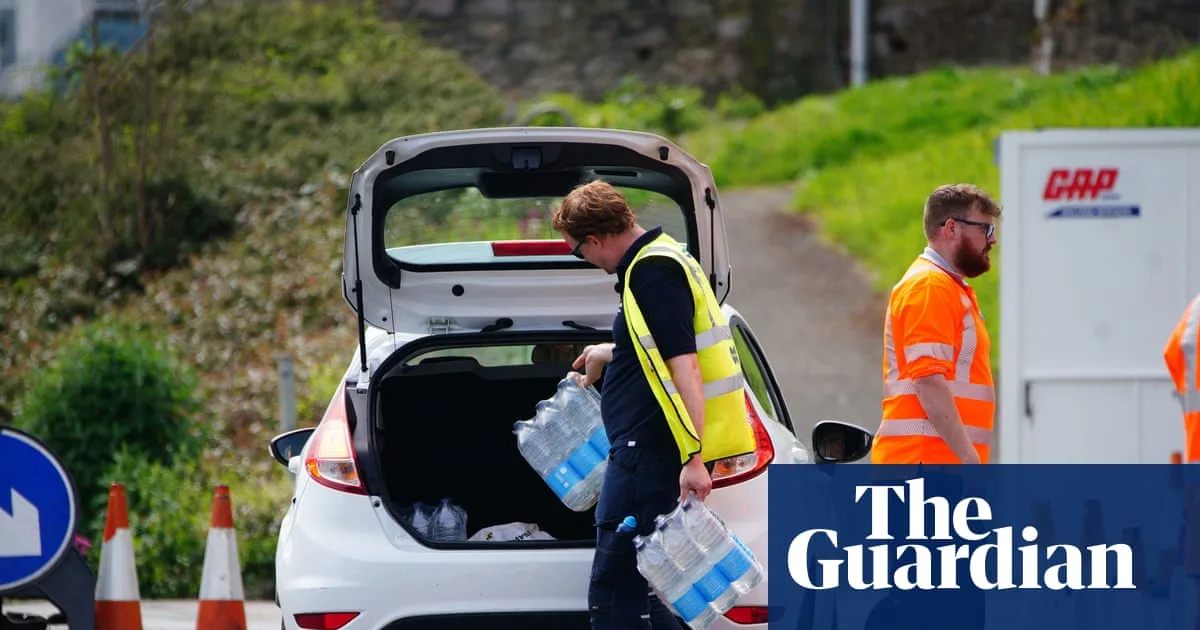
Water Company Pleads Guilty to Supplying Contaminated Water in Devon
South West Water Ltd has formally admitted to supplying water unfit for human consumption following a significant parasite outbreak in Devon during 2024. The company entered a guilty plea at Exeter Magistrates' Court under section 70(1) of the Water Industry Act 1991, acknowledging its role in an incident that left hundreds of people ill with gastrointestinal symptoms.
Outbreak Details and Public Health Impact
The contamination occurred in and around Brixham, Devon, where the cryptosporidium parasite infiltrated the water supply. This led to more than 140 confirmed cases of infection, with symptoms including severe vomiting and diarrhoea. Four individuals required hospital treatment due to the severity of their conditions.
Approximately 17,000 households and businesses in the affected area were issued with boil water notices, some of which remained in place for as long as eight weeks. The outbreak caused widespread disruption, with local residents experiencing significant inconvenience and economic hardship.
Legal Proceedings and Sentencing Debate
During the court hearing, Howard Leithead, representing the Drinking Water Inspectorate (DWI), argued that the case should be transferred to the crown court for sentencing. He described the incident as "extremely high-profile" and emphasised its impact on public confidence in the water supply.
"This incident affected a significant number of people across a broad geographical area," Leithead stated. "Its effects were long felt after the lifting of the boil water notices, with local inconvenience, economic impact, and disruption to education throughout."
However, Dominic Kay KC, representing South West Water, contended that the magistrates' court was capable of handling the case, noting that the firm had pleaded guilty at the first opportunity. District Judge Stuart Smith ultimately decided to retain jurisdiction, rejecting the prosecution's submission for transfer.
Financial and Regulatory Fallout
The owner of South West Water, Pennon Group, previously disclosed that the final bill for the outbreak reached nearly £40 million. This figure includes costs related to the contamination incident as well as the company's reshaping and transformation programmes.
Marcus Rink, chief inspector of the Drinking Water Inspectorate, commented: "The company's decision to plead guilty to the offences relating to the Brixham incident reflects the seriousness of the failings identified during our investigation. While such incidents are very rare, this incident had a significant impact on the public and the wider community."
Political and Public Reaction
Caroline Voaden, Liberal Democrat MP for South Devon, responded to the guilty plea by criticising the water industry's practices. "This admission of guilt has been a long time coming," she said. "This awful event should never have happened. But the mismatch between rhetoric and action plagues our broken water industry."
Water minister Emma Hardy added: "Contamination of drinking water is rare but it is utterly unacceptable. The communities affected by this abhorrent incident in Brixham deserve answers and today's guilty plea is a crucial step toward accountability."
The case highlights ongoing concerns about water safety and regulatory oversight in the UK, with calls for faster reforms to ensure proper accountability within the industry.




