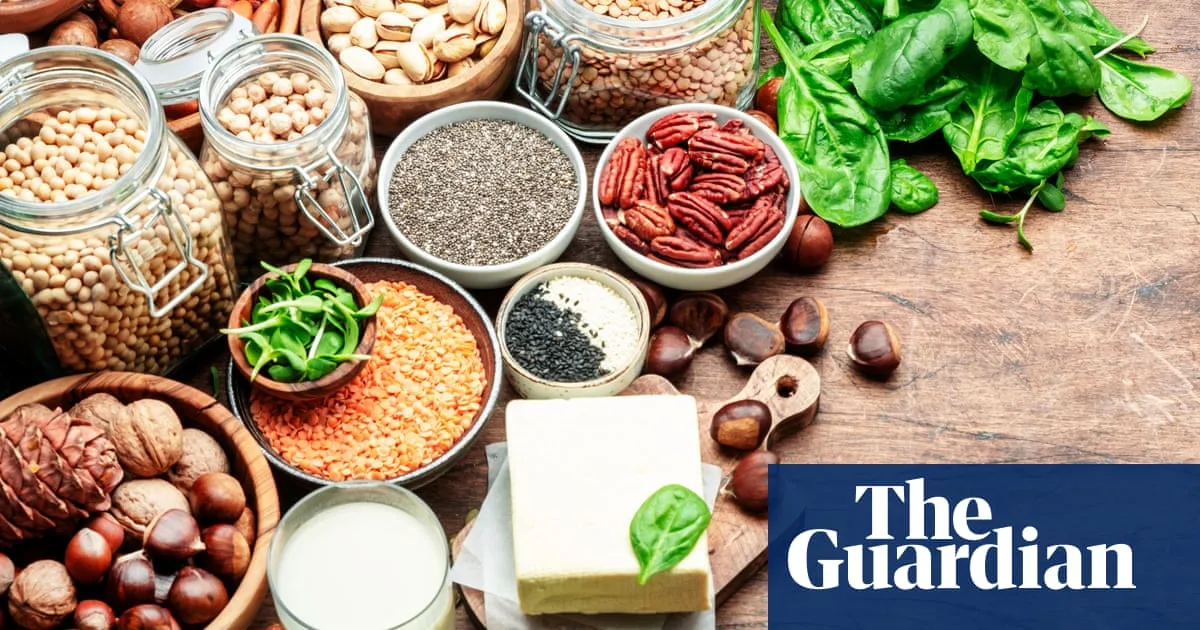
Vegetarian Diet Cuts Cancer Risk But Doubles Oesophageal Cancer Threat
Vegetarian Diet Cuts Cancer Risk But Doubles Oesophageal Threat

Vegetarian Diet Offers Cancer Protection But Carries Significant Oesophageal Risk

A groundbreaking study involving over 1.8 million participants has revealed that vegetarian diets may significantly reduce the risk of developing five different types of cancer, while simultaneously nearly doubling the risk of oesophageal cancer. This comprehensive research represents the largest investigation to date examining the relationship between dietary patterns and cancer susceptibility, providing crucial insights into both the benefits and potential dangers of eliminating meat from one's diet.

Protective Benefits Against Multiple Cancers

The extensive study demonstrated that individuals following vegetarian diets experienced substantially lower risks for several major cancers. Specifically, vegetarians showed a 31% reduced likelihood of developing multiple myeloma, a type of blood cancer, alongside significant protection against pancreatic, prostate, breast, and kidney cancers. These five cancer types collectively account for approximately one-fifth of all cancer-related deaths in the United Kingdom, making these findings particularly noteworthy for public health considerations.

Professor Tim Key, co-author of the study from the University of Oxford, emphasised the importance of these results: 'Dietary patterns that prioritise fruit, vegetables and fibre-containing foods, and avoid processed meat, are recommended to reduce cancer risk. Our study helps to shed light on both the benefits and risks associated with vegetarian diets.'

Alarming Increase in Oesophageal Cancer Risk

Despite these protective benefits, the research uncovered a concerning 93% higher risk of developing the most common form of oesophageal cancer among vegetarians. This finding presents a significant paradox in dietary cancer prevention, suggesting that while eliminating meat may protect against certain cancers, it might simultaneously increase vulnerability to others.

Oesophageal cancer affects approximately 9,000 individuals annually in the UK, with symptoms including difficulty swallowing, persistent indigestion or heartburn, and unexplained weight loss. Researchers hypothesise that this increased risk might be linked to deficiencies in essential nutrients typically abundant in red meat, such as iron, zinc, and B vitamins. Interestingly, the study found that participants who consumed poultry while limiting red meat intake showed a 36% higher risk of developing squamous cell carcinoma of the oesophagus compared to regular red meat consumers.

Bowel Cancer Concerns for Vegans

The research also revealed that vegans faced a 40% increased risk of developing bowel cancer compared to meat-eaters. This finding highlights the importance of nutritional planning within plant-based diets, particularly regarding calcium intake. Cancer Research UK has previously indicated that adequate calcium consumption, often obtained from dairy products, may reduce bowel cancer risk by nearly one-fifth.

Dr Shireen Kassam, a consultant haematologist at King's College Hospital, London, commented on this aspect: 'Adequate calcium intake is known to protect against colorectal cancer, and modern well-planned vegan diets can readily meet this need. This is not a simple story of veganism increasing cancer risk - it's a reminder that all diets must be nutritionally well designed.'

Detailed Cancer Risk Reductions

The study provided specific risk reduction percentages across different dietary patterns:

  • Pancreatic cancer: Vegetarians showed a 21% lower risk
  • Breast cancer: Vegetarians demonstrated a 9% reduced risk, while pescatarians showed a 7% reduction
  • Prostate cancer: Vegetarians experienced a 12% lower risk, with vegans showing a substantial 20% reduction
  • Kidney cancer: Vegetarians had a 28% decreased risk
  • Multiple myeloma: Vegetarians showed a 31% reduced risk

Potential Mechanisms and Nutritional Considerations

Researchers identified several potential mechanisms behind these varied cancer risks. For kidney cancer protection, scientists noted that high animal-protein consumption elevates levels of kidney injury molecule-1, a biomarker associated with kidney damage that may progress to cancer. Vegetarians and pescatarians typically exhibit significantly lower concentrations of this biomarker.

Regarding pancreatic cancer, researchers observed that vegetarians generally maintained lower body mass index (BMI) measurements than meat-eaters, potentially explaining some protective effects since obesity represents a known risk factor for pancreatic cancer development.

Expert Criticisms and Balanced Perspectives

While many experts welcomed the study's comprehensive findings, some voiced concerns about its limitations. Professor Jules Griffin, a metabolic disease expert from the University of Aberdeen, criticised the research for not comparing vegetarian diets to what might constitute 'the optimum diet for reducing risk in the population for diet-associated cancer,' where fish and meat are consumed in moderation.

The study authors themselves acknowledged that more research is necessary to determine whether meat consumption itself presents problems or whether specific components of vegetarian diets provide protective benefits. They noted that meat-eaters in the study consumed significantly less meat than the general population, complicating direct comparisons.

Practical Implications and Recommendations

Professor Key concluded with practical advice for those following or considering vegetarian diets: 'Overall, the picture for vegetarians is quite optimistic. But, like everyone else, vegetarians should ensure they replace missing nutrients through supplements or fortified foods.'

This research underscores the complexity of dietary impacts on cancer risk, demonstrating that while plant-based diets offer substantial protection against several major cancers, they require careful nutritional planning to mitigate potential increased risks for oesophageal and bowel cancers. The findings highlight the importance of balanced, well-designed dietary approaches rather than simplistic recommendations regarding meat consumption.




