Ending AIDS Crisis Within Reach, But UK Leadership at Risk
For over three decades, the United Kingdom has been a pivotal force in the global battle against HIV and AIDS. As the world confronted one of the deadliest public health emergencies in history, UK development policy, financial support, and diplomatic efforts formed a cornerstone of the international response. Now, with the goal of ending AIDS globally by 2030 tantalisingly close, that progress faces severe jeopardy due to funding cuts.
Modelling Shows Stakes Are High
According to modelling from the Joint United Nations Programme on HIV/AIDS (UNAIDS) and their "Fast-Track" strategy, scaling up prevention and treatment initiatives could prevent 28 million new infections and 21 million deaths by 2030. The benefits extend far beyond healthcare systems, positively impacting economies, families, and future generations. However, recent drastic reductions in development funding, particularly from the United States, have created an alarming new normal that threatens to undo decades of cooperative effort.
UK's Historical Contributions Under Threat
In the 2000s, the UK played a foundational role by co-establishing the Global Fund to Fight AIDS, Tuberculosis and Malaria and Unitaid. These organisations have been instrumental in the global HIV response, with the Global Fund saving an estimated 70 million lives and Unitaid ensuring health innovations are affordable and accessible. For instance, in 2024, lenacapavir—an HIV prevention tool—became available in 120 low- and middle-income countries at a cost of just $40 (£29) per year, thanks to such initiatives.

By supporting a broader HIV ecosystem that includes critical bodies like UNAIDS and the Robert Carr Fund, the UK has demonstrated the power of global partnerships driven by community engagement, scientific advancement, solidarity, and sustained investment. Yet, recent cuts to development funding are putting these historical achievements at risk.
Funding Cuts Jeopardise Progress
The UK's decision to reduce Official Development Assistance to 0.3 per cent of Gross National Income (GNI) has severely constrained its ability to fund even the most impactful institutions. While the UK prioritised the Global Fund as a development "best buy" and made a significant pledge at a replenishment summit last year, this still represented a 15 per cent reduction from the previous commitment, totalling £850 million.
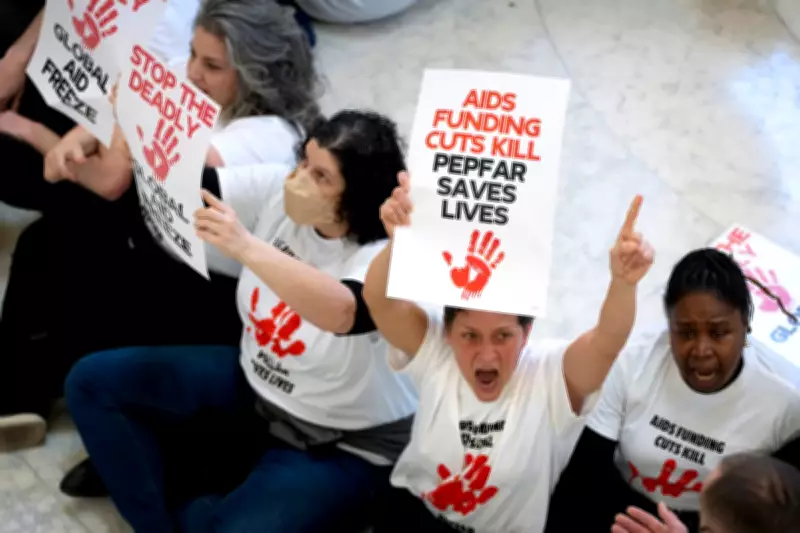
At a time when the US has slashed critical funding for HIV programmes—with analysis suggesting permanent discontinuation could lead to an additional 4.2 million AIDS-related deaths between 2025 and 2029—the UK's cuts risk undermining decades of investment in the HIV response and broader health security.
Call for Renewed Leadership and Investment
It is fundamental for the future of the HIV response and global health that the UK demonstrates leadership by returning to increased investment in global health programming. As the UK considers a modern approach to development based on genuine partnerships, the HIV architecture offers decades of experience in collaboration, inclusivity, and equity.
Currently, the UK's funding commitments to Unitaid, UNAIDS, and the Robert Carr Fund are awaited. Alongside the Global Fund, these organisations form the backbone of the global HIV response. Supporting them is critical to ending AIDS as a public health threat. Beyond funding, political commitments are vital to show the UK's prioritisation of ending AIDS and supporting global health cooperation, which has achieved remarkable success in reducing AIDS-related deaths, supporting communities worldwide, enhancing UK health security, and delivering strong value for money.
Lessons from Pandemics and a Call to Action
The Covid-19 pandemic starkly reminded us that "none of us are safe until we are all safe," highlighting our mutual responsibility for collective action on global health. For many people living with HIV, Covid-19 also served as a poignant reminder of the resilience forged through surviving the AIDS pandemic.

Ending AIDS is a political choice, with no room for hesitation. The UK must not forget its legacy or become complacent, risking a reversal of decades of progress. Instead, it should learn from these difficult lessons and properly fund the global HIV response to ensure the goal of ending AIDS as a public health threat by 2030 is achieved.
Dr Beccy Cooper is chair of the All-Party Parliamentary Group on Global Health and Security and the Labour MP for Worthing West.