The UK Health Security Agency (UKHSA) has issued a fresh call for the public to wear face masks to help curb the spread of influenza this winter. The appeal comes amidst a significant seasonal surge in cases, predominantly driven by the H3N2 strain of the virus.
Latest Figures Show a Decline, But Caution Remains
Despite the ongoing wave, recent government data indicates a positive trend. In the week leading up to 24 December, surveillance positivity for the flu virus fell to 17.2%, down from 21.1% the previous week. Simultaneously, hospital admissions linked to influenza dropped from 9.98 per 100,000 people to 7.85 per 100,000.
However, officials stress that admission rates remain at medium levels and urge continued vigilance. In a statement on social media platform X, the UKHSA encouraged people to take "a few simple steps which can make a big difference in avoiding flu" during the festive period.

Why Masks, Vaccines, and Isolation Are Key
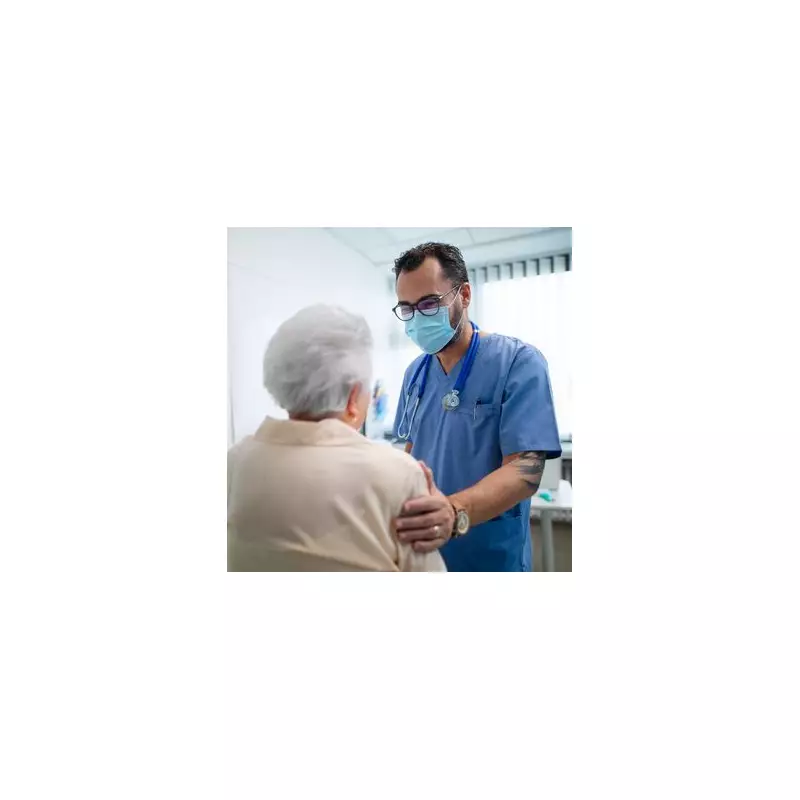
The agency's guidance centres on three core protective measures: mask-wearing, vaccination, and self-isolation where possible. On its website, the UKHSA explains that a well-fitting face mask can limit the release of virus particles from the nose and mouth, thereby reducing the spread of respiratory infections like flu and Covid-19. Masks also offer a degree of personal protection against direct infection.
The annual flu vaccine remains the most effective defence against severe illness. The jab works by introducing a tiny, deactivated amount of the virus, training the immune system to recognise and combat it. Full protection takes roughly 10 days to develop after the injection, which cannot give you the flu.
Who is Eligible for a Free NHS Flu Jab?
The NHS provides a free flu vaccine to specific groups who are at higher risk. Eligibility includes:
- People aged 65 and over, and those who will turn 65 by 31 March 2026.
- Individuals with certain long-term health conditions.
- Pregnant women.
- Those living in a care home.
- People who are the main carer for an older or disabled person.
- Those living with someone who has a weakened immune system (e.g., someone undergoing chemotherapy).
If you are eligible, you can get your free vaccine by booking an appointment with your GP or at a participating pharmacy if you are 18 or over. Some pharmacies also offer walk-in services without an appointment. Full details on the vaccine's ingredients and further guidance are available on the official NHS website.