Groundbreaking new research has provided some of the strongest evidence yet that testosterone replacement therapy (TRT) can deliver swift and lasting improvements in men's sexual function, energy, and overall mood.
Major Study Reveals Widespread Benefits
Scientists from Harvard University conducted a major analysis, published in The World Journal of Men's Health, examining the responses of over 9,500 men with low testosterone to TRT. Their findings were striking, showing significant enhancements across a broad spectrum of quality-of-life measures.
The research indicated that supplementing testosterone led to marked improvements in: energy levels, physical strength and endurance, overall enjoyment of life, happiness, erection strength, work performance, and sporting ability. Notably, these positive changes became apparent as early as two months after commencing treatment and were consistent across men, irrespective of their starting testosterone levels.

Addressing a Hidden Health Crisis
Testosterone, the primary male sex hormone, regulates everything from libido and muscle mass to mood and concentration. Millions of men, however, live with sub-optimal levels, a condition often undiagnosed. Symptoms can include persistent fatigue, low mood, weight gain, reduced sex drive, erectile dysfunction, and poor focus.
According to the NHS, some men may even develop depression as testosterone begins to decline in their late 40s. Rising obesity levels are a key driver of low testosterone, as excess fat can convert the hormone into oestrogen. Other signs include fat redistribution (such as developing a larger belly or 'man boobs'), sleep difficulties, and loss of muscle mass.
Dr Jeff Foster, director of men's health at Voy, the UK's largest digital TRT provider and a study contributor, stated: 'Our results give one of the clearest pictures to date of how TRT performs across thousands of men and a wide range of treatment approaches.' He emphasised that the findings 'reinforce the importance' of treating the individual patient and their symptoms, not just relying on blood test numbers alone.
A Call for Personalised Treatment & Awareness
Dr Foster added that clinical guidelines must consider a man's age and symptom severity alongside his specific hormone profile to ensure optimal results and minimise potential misuse. Dr David Huang, director of clinical innovation at Voy and study co-author, concluded: 'With so much confusion around testosterone replacement therapy our job is to bring clarity. We’re helping shift clinical guidance towards a more personalised approach.'
Experts warn that low testosterone, which naturally declines by about 1% per year from age 30-40, is linked to serious long-term health risks, including heart disease, osteoporosis, infertility, and a 40% increased risk of early death. Yet, many cases go undetected as symptoms are frequently mistaken for stress or depression.
Celebrities like former Take That singer Robbie Williams and Happy Mondays star Shaun Ryder have publicly credited TRT with reviving their lagging energy and libido. However, specialists caution against its use by healthy men seeking a performance edge, warning it can shut down natural production and lead to infertility, shrunken testicles, and heart issues.
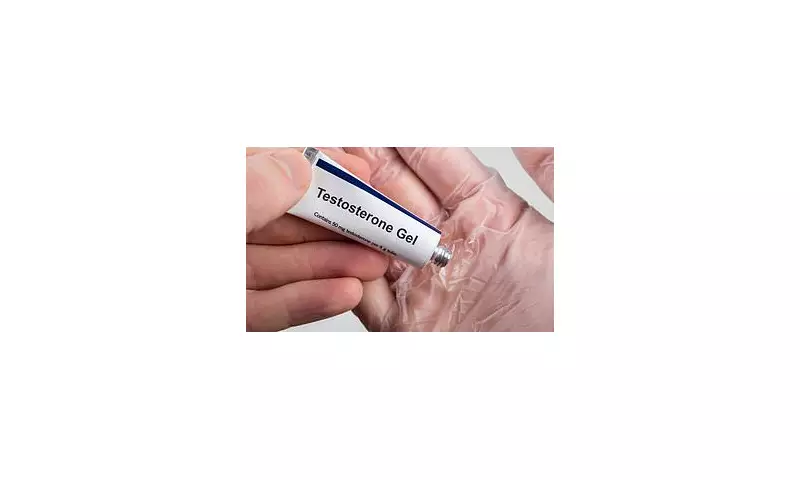
For those with a genuine deficiency, confirmed via a blood test (normal levels range from 8-31 nanomoles per litre), the NHS may offer TRT via injections or gel. Crucially, lifestyle interventions remain vital. Losing weight, improving sleep, reducing stress, and regular high-intensity exercise can all naturally boost testosterone levels, sometimes making medication unnecessary.