New Study Uncovers Cancer-Causing 'Forever Chemicals' in Popular Pet Foods
Companion animals could be facing significant health risks from toxic cancer-causing 'forever' chemicals discovered in popular wet pet foods, according to alarming new research. Per- and polyfluoroalkyl substances (PFAS) represent a class of synthetic chemicals commonly utilized in plastics, cleaning products, and non-stick coatings. These persistent compounds can require over one thousand years to break down naturally and have been detected across nearly all environments globally, including remote Arctic regions, deep ocean waters, drinking water supplies, and human bloodstreams.
Wet Pet Foods Identified as Primary Exposure Source
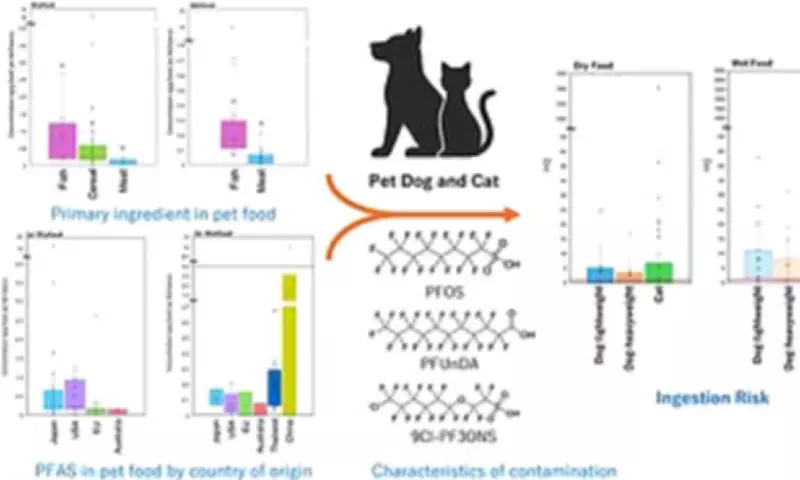
Experts have now determined that pets may be exposed to these dangerous forever chemicals through the food they consume daily, with wet products identified as the largest contributor to overall intake. For their comprehensive investigation, the research team analyzed one hundred popular commercial pet food products sold within Japan, including items originating from China, the United States, Australia, and the European Union. They detected PFAS contamination across numerous products, with notably higher concentrations discovered in fish-based foods and dry formulations.
However, despite wet foods demonstrating lower chemical concentrations, their substantially larger serving sizes result in significantly greater exposure levels for companion animals. The researchers emphasized that "the PFAS concentrations detected in pet food in this study are a significant source of daily exposure for companion animals." The fundamental distinction between wet and dry pet food lies in moisture content. With dry formulations, pets consume concentrated calories in smaller quantities, whereas wet products require animals to consume two to three times larger volumes to meet nutritional needs.

Detailed Analysis Reveals Concerning Chemical Levels
The study, published in the prestigious journal Environmental Pollution, revealed substantial variation in PFAS concentrations across different pet food products. Dry dog foods measured up to 1.7 nanograms (ng) of PFAS per gram, while dry cat food contained dramatically higher levels reaching 16ng per gram. Wet dog food registered up to 0.67ng of PFAS per gram, with wet cat food containing up to 9.9ng per gram. Despite these lower concentration measurements in wet formulations, the researchers explained that larger serving sizes translate to greater overall chemical exposure from wet food options.
Fish-based products demonstrated significantly higher total PFAS amounts compared to meat-based alternatives, while grain-based formulations also exhibited elevated contamination levels. "These findings underscore the urgent need for further investigation into the health effects of PFAS exposure in companion animals," the scientific team urgently warned.
Global Contamination and Animal Health Implications
Cancer-causing chemicals have now infiltrated the bloodstreams of animals across nearly every continent worldwide, as previous eye-opening research has confirmed. Although limited studies have examined PFAS contamination specifically concerning pets, evidence suggests both dogs and cats can be adversely affected. PFAS exposure has been documented to impact liver and kidney function in both species, while additionally affecting lung tissue and thyroid glands in feline companions.
In human populations, extensive studies have linked PFAS exposure to infertility, behavioral problems, birth defects, elevated cholesterol levels, and various cancers including kidney, testicular, and ovarian malignancies. These persistent chemicals can enter biological systems through ingestion or inhalation via lung tissue, remaining within organisms for multiple years once absorbed.

During 2023, experts revealed these hazardous chemicals have contaminated animals across virtually every continent. Scientists from the Environmental Working Group (EWG), who conducted this global research, confirmed PFAS detection in diverse species including horses, domestic dogs, Siberian tigers, pandas, sea lions, wild boar, otters, and even oysters. "PFAS pollution is not just a problem for humans. It's a problem for species across the globe," emphasized David Andrews, a senior scientist involved in the study.
Nathan Donley, environmental health science director at the Centre for Biological Diversity, added profound commentary: "It's quite ironic that many species on the brink of being lost forever are loaded with synthetic 'forever chemicals' designed to never break down."
Understanding PFAS Contamination Pathways
PFAS represent manufactured chemicals specifically designed as oil and water repellents, commonly applied as protective coatings for everyday products including cookware, carpets, and textiles. These endocrine-disrupting compounds fail to break down when released into natural environments, accumulating progressively over extended timeframes. PFAS chemicals frequently contaminate drinking water supplies near industrial facilities where these substances are manufactured or utilized.
Contamination has been detected in water sources adjacent to manufacturing plants, military installations, and firefighting training facilities where PFAS-containing foam is regularly employed. Additionally, these chemicals infiltrate food supplies through contaminated packaging materials and polluted agricultural soils, creating multiple exposure pathways for both humans and animals.