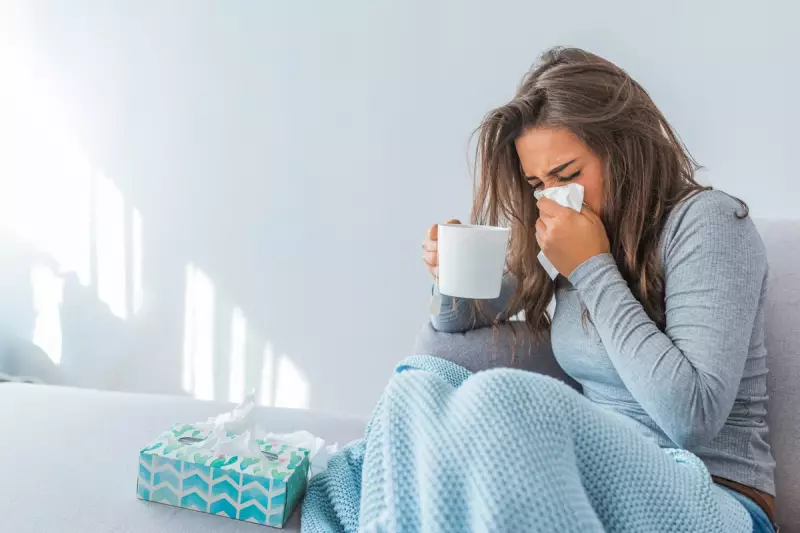
You have been counting down the days, pushing through a hectic final stretch at work or university. The moment to unwind finally arrives. Yet, instead of relaxation, you are hit with overwhelming fatigue, a scratchy throat, and the sinking realisation you are coming down with something.
Why does this pattern of falling sick at the start of a holiday or weekend feel so common? This experience, often dubbed 'leisure sickness' or the 'let-down effect', is widely discussed anecdotally. But what does the scientific evidence actually say about it?
What The Research Reveals About Leisure Sickness
The term 'leisure sickness' was first coined by Dutch researchers in a 2002 study involving 1,893 participants. They defined it as a pattern where individuals rarely fall ill during the working week but frequently succumb to sickness during weekends or vacations.

The study found approximately 3% of respondents reported this phenomenon, with symptoms including headaches, fatigue, colds, flu, muscle pain, and nausea. Infections were more prevalent on longer holidays than weekends, often striking in the first week of a break.
However, this foundational research had limitations, relying on subjective recall and vague definitions. A more focused 2014 study on 'let-down headaches' tracked 22 migraine sufferers. It discovered that a reduction in daily stress was frequently followed by a migraine within 24 hours, potentially creating a pattern of illness on days off.
Potential Causes: From Stress Hormones to Travel
The precise mechanisms behind leisure sickness are not fully understood due to limited quality research, but several compelling theories exist.
One key theory involves the complex relationship between stress and the immune system. Acute stress triggers the release of hormones like adrenaline and cortisol. In the short term, these can provide a temporary boost to some immune functions and offer anti-inflammatory pain relief. This might explain why you power through a busy period without getting sick.
The problem arises when you stop. 'When the acute stress stops – for example, when we finally get a chance to rest – there may be a sudden transition,' explains Professor Thea van de Mortel of Griffith University. The protective hormonal effects vanish, potentially allowing underlying symptoms or infections to emerge.
Practical factors also play a role. Holidays often involve travel in crowded planes or airports, increasing exposure to germs. Changes in routine, such as increased alcohol consumption or unfamiliar physical activities, can stress the body. Furthermore, without work as a distraction, we may simply become more aware of minor symptoms we previously ignored.
How To Protect Your Health and Enjoy Your Break
While the phenomenon requires more study, proven strategies can help bolster your defences and reduce the risk of holiday illness.
Building a resilient immune system is a long-term project. Staying active, prioritising sleep, and maintaining a balanced diet – even during busy periods – are crucial. A Finnish study of over 4,000 initially inactive public employees found those who took up regular vigorous exercise subsequently took less sick leave.
Managing chronic workplace stress through techniques like meditation and mindfulness is also beneficial for overall health.
For specific holiday protection, consider practical steps to avoid respiratory infections. These include staying up-to-date with flu and COVID-19 boosters and wearing a high-quality mask like an N95 in high-risk settings such as airports and aircraft cabins.
By understanding the potential triggers of leisure sickness and proactively supporting your wellbeing, you can increase your chances of enjoying a healthy, uninterrupted holiday.