Stroke Survivor's Sole Symptom Was Inability to Read Words
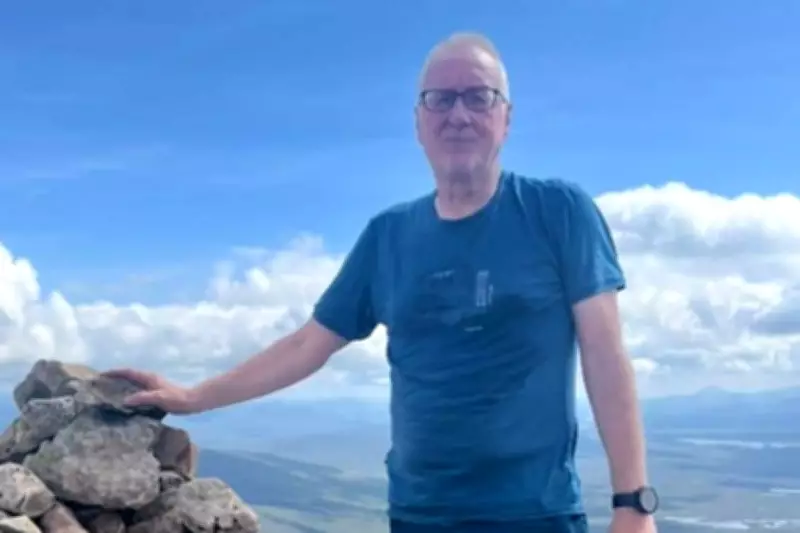
A stroke survivor whose only noticeable symptom was being completely unable to read written words is urging the public to recognise uncommon signs of this potentially deadly medical emergency. Gordon Robb, a 63-year-old from Bonnyrigg in Midlothian, Scotland, suffered a haemorrhagic stroke—a bleed on the brain—but initially hesitated to seek urgent care because he did not experience the classic symptoms like facial drooping, arm weakness, or slurred speech.
A Foreign Language on Screens and Pages
Instead, Mr Robb found that all written text suddenly appeared as if it were in an unfamiliar foreign language. This included emails on his phone, text messages from friends discussing the Ryder Cup, and even the instructions displayed on a cash machine screen. "I could see them clearly, and see who they were from, but the words meant nothing to me," he recalled. Initially attributing it to fatigue from staying up late the previous night, he decided to get an early night.
The following day, after again failing to read the cash machine display, he resolved to book a routine appointment with his GP. However, his cousin, whose husband had tragically died from a sudden stroke just three weeks earlier, intervened decisively. She drove directly to his house and insisted on taking him immediately to Accident and Emergency.

Emergency Diagnosis and a Critical Trial
At the hospital, it was confirmed that Mr Robb had experienced a haemorrhagic stroke. Medical experts note that difficulty recognising written words in isolation, without any other accompanying symptoms, affects fewer than 1% of people at the time of their stroke. "I am incredibly lucky, and quite honestly felt like a fraud in the stroke ward because I was no different to how I am normally, except that I suddenly could not read words," Mr Robb stated.
Now, the former vice-president of a biotech company is participating in a groundbreaking new clinical trial funded by the British Heart Foundation and led by academics at the University of Edinburgh. The Aspiring study aims to determine whether common antiplatelet medications—clopidogrel or aspirin—can safely prevent future strokes, heart attacks, and premature deaths in individuals who have survived a haemorrhagic stroke. Mr Robb is currently taking clopidogrel as part of this research.
Overcoming Medical Hesitations and Future Hopes
Professor Rustam Al-Shahi Salman, who leads the trial, explained the significance of the research. "It has been hard to overcome the instinctive fear that if people have had a haemorrhagic stroke, taking aspirin or a drug like it might cause more bleeding. So we were very relieved when our research showed such drugs to be safe after a haemorrhagic stroke," he said. The study seeks to gather robust evidence on whether these accessible medications can lower recurrence risks and save lives.
For Mr Robb, an avid cyclist and runner who had his stroke in September last year, involvement provides personal and collective hope. His symptoms are gradually improving, though reading takes longer than before, and he occasionally struggles to find the right word in conversation. "Being involved in this trial provides some reassurance that this drug may reduce my risk of another stroke. But it is also great to know that being involved could help improve treatment for people like me in the future, and relieve the pressure on the health system," he reflected.
A Vital Public Health Message
Dr Sonya Babu-Narayan, the British Heart Foundation’s clinical director, emphasised the critical takeaway. "Facial weakness, arm or leg weakness and speech problems are well-known signs you or your loved one may be having a stroke, but there are some lesser-known symptoms like being unable to recognise the written word," she said. "If you have a symptom that you feel is not right, however strange or unusual, it is really important to seek help. Every minute matters if you may be having a stroke or other medical emergency."

Mr Robb's experience serves as a powerful reminder. "It just shows the importance of paying attention to unusual symptoms, even if they aren’t ones you have heard of before. If I hadn’t gone to the hospital, and quickly received treatment, I could have been walking around with a ticking time-bomb in my head," he concluded, highlighting how vigilance with atypical signs can be lifesaving.