UK Spider Bite Hospitalisations Double as 'Most Dangerous' Species Spreads
Britons are being urged to exercise caution as hospital admissions for spider bites have doubled over the past decade, with the country's most dangerous arachnid now breeding extensively across the United Kingdom. A combination of a mild, wet winter and a warmer-than-average spring has triggered a significant population surge of the noble false widow spider, leading to an increase in painful encounters.
Sharp Rise in Hospital Admissions
According to NHS figures obtained through a Freedom of Information Act request by the Press Association, there were 100 hospital admissions linked to spider bites in 2025, a stark increase from just 47 in 2015. This alarming trend is directly attributed to the expanding population of the noble false widow spider, which is establishing itself more widely throughout the nation.
Michel Dugon, a zoologist specialising in venom systems at the University of Galway, commented that these figures are "not surprising" given the "explosion in the population of noble false widow." The spider's growing presence is turning what was once a rare occurrence into a more common public health concern.

The Most Dangerous Spider in the UK
A 2020 academic paper by Clive Hambler, a lecturer in Biological and Human Studies at Herreford College, identifies the false widow as the most dangerous spider in the UK. This designation is based on its propensity to bite and the potential for infection following a bite. As its numbers rise, so too does the threat it poses to the public.
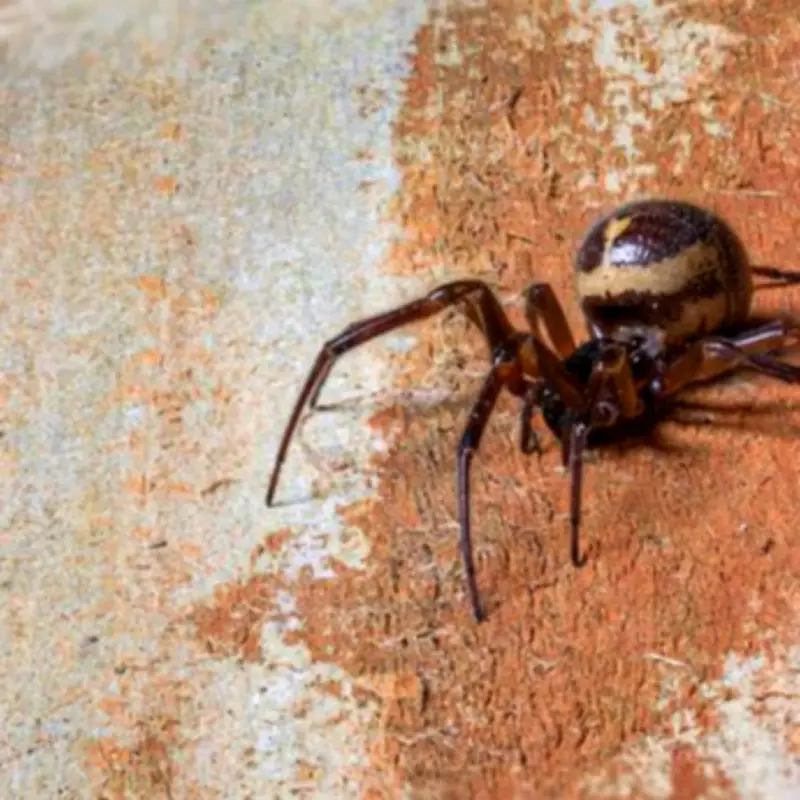
These venomous spiders bear a striking resemblance to the deadly black widow, featuring globular bodies and distinctive white or cream markings on the abdomen that can appear skull-like. Originally native to the Canary Islands and Madeira, they have now firmly established themselves in the UK, where they are living, breeding, and delivering painful bites.
Identifying and Managing the Threat
According to British Spiders, the bite of a noble false widow is comparable to a wasp sting and can, in rare cases, leave sufferers feeling unwell for several days. As temperatures rise, these spiders begin to reproduce, making it vital for homeowners to maintain a rigorous cleaning routine to deter them.
False widows are commonly found in sheds, outbuildings, porches, and inside homes. Their webs can be identified by loose, tangled silk with a tube in one corner where the spider hides. The British Pest Control Association recommends hoovering up these webs to remove them and discourage the spiders from settling. Sealing harborage points in porches and conservatories is also advised to prevent infestation.
First Aid and Medical Advice
If bitten, it is crucial to monitor the bite closely and seek medical attention if signs of infection appear. Immediate first aid measures include:
- Washing the bite with soap and water
- Applying a cold pack for a few minutes at a time
- Using a bite spray if available
Over the following days, watch for symptoms such as worsening redness, swelling, or pain, and consult a healthcare professional if any concerns arise. With the noble false widow population on the rise, public awareness and preventive measures are more important than ever to mitigate risks.