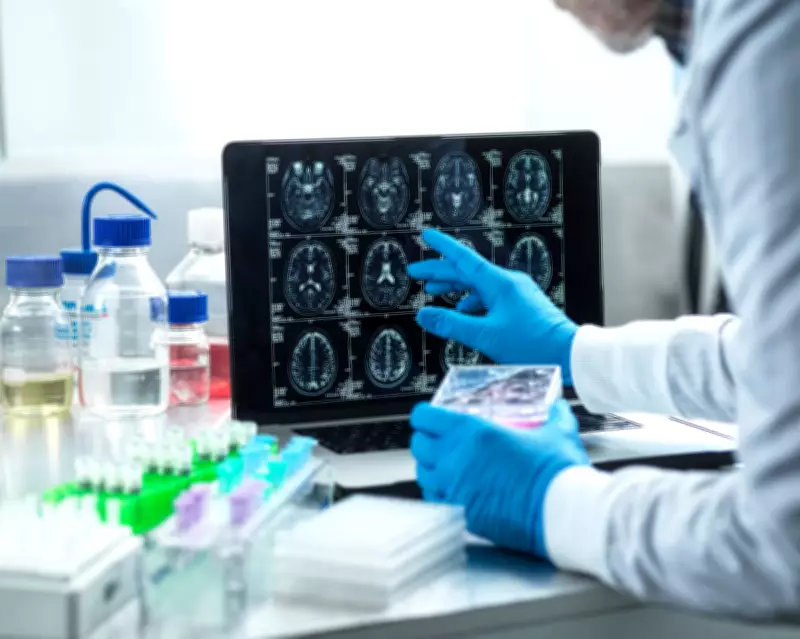
A leading charity has warned that slow Alzheimer’s diagnoses in the UK are causing patients to miss out on experimental treatments that could potentially slow the progression of the disease. The charity, Alzheimer’s Research UK, said that the current system is failing to identify patients early enough for them to benefit from new drugs in clinical trials.
Delays in Diagnosis
The charity highlighted that the average time from first symptoms to a formal diagnosis of Alzheimer’s is over two years in the UK. This delay means that by the time many patients are diagnosed, their condition has already progressed to a stage where experimental treatments are no longer effective. According to the charity, early diagnosis is critical because many of the most promising new treatments are designed to target the early stages of the disease.
Impact on Clinical Trials
The slow diagnosis rate is also hindering recruitment for clinical trials. Many trials require participants to be in the early stages of Alzheimer’s, but the current system often identifies patients too late. This not only deprives patients of potential benefits but also slows down the development of new treatments.

The charity is calling for urgent investment in diagnostic tools and services. They argue that the NHS needs to adopt new technologies, such as blood tests and brain scans, to speed up diagnosis. Currently, many patients are diagnosed based on cognitive tests and clinical assessments, which can be subjective and time-consuming.
Call for Action
Alzheimer’s Research UK is urging the government to prioritise early diagnosis in its upcoming dementia strategy. They warn that without significant improvements, the UK will fall behind other countries in the race to develop effective treatments for Alzheimer’s. The charity also emphasises that early diagnosis would not only benefit patients but also reduce the overall cost of care by allowing earlier interventions.
In response, a Department of Health and Social Care spokesperson said that the government is committed to improving dementia diagnosis rates and is investing in new technologies. However, the charity insists that more urgent action is needed to ensure that patients do not miss out on life-changing treatments.