MPs Warn Single-Room NHS Hospitals Risk Isolating Elderly Patients
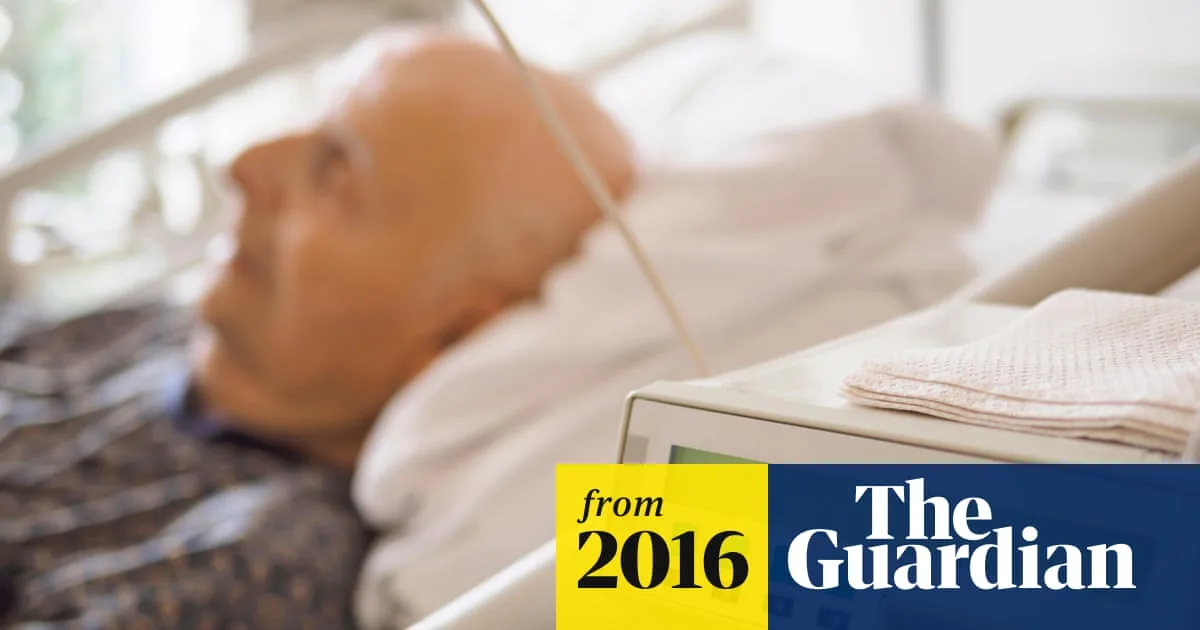
Elderly patients could face feelings of abandonment and loneliness under government plans to construct all new NHS hospitals with exclusively single-occupancy rooms, according to a stark warning from MPs. The ambitious initiative, known as the New Hospitals Programme, aims to build 46 new facilities at a projected cost of £60 billion, utilizing a standardized design dubbed Hospital 2.0 to enhance construction and operational efficiency.
Efficiency Versus Patient Wellbeing
The Hospital 2.0 blueprint promises several advancements, including reduced walking distances for staff, fully paperless medical records, and innovative technology such as infrared sensors to alert personnel when a patient falls. However, a new report from the Commons Public Accounts Committee (PAC) criticizes the Department of Health and Social Care for displaying a "lacked focus" on the potential negative consequences of this design.
The committee highlights that nurses will lose the ability to visually monitor multiple patients simultaneously on traditional wards, instead relying on remote monitoring systems. This shift, the report cautions, could leave vulnerable individuals, particularly the elderly, feeling "alienated" and disconnected from care teams. Furthermore, ward rounds are anticipated to become more time-consuming, potentially necessitating additional staffing at greater expense.
Fears of 'Out of Sight, Out of Mind'
Patient advocacy groups have voiced significant concerns, fearing that "out of sight" could tragically become "out of mind." They warn that elderly patients confined to single rooms may be left to weaken in their beds without adequate opportunities to walk or socialize, which is crucial for maintaining strength and mental wellbeing.
The PAC report states: "A key aspect of the design is that wards will consist of solely single bedrooms. The Department expects single bedrooms to lead to efficiencies such as fewer hospital acquired infections and shorter hospital stays for patients. However, some research has indicated that the clinical and economic impact of single bedrooms may be modest."
It adds: "The Department has not clearly explained what metrics it will use to assess whether it is realising benefits, nor has it sufficiently focused on unexpected downsides of 100 per cent single bedroom wards. For example, some patients, particularly those that are frailer or more vulnerable, may feel alienated being alone and monitored remotely."
Charity and Campaigner Perspectives
Caroline Abrahams, charity director at Age UK, emphasized the dual nature of single rooms. "Single rooms may be quiet havens away from the hustle and bustle of a hospital ward, but 'out of sight' may also mean 'out of mind', resulting in older people being stuck on their own in bed for too long," she told the Daily Mail. "This deprives them of the benefits of seeing and socialising with others, and of walking about to help retain their strength and fitness."
Abrahams advocated for a balanced approach: "At Age UK we think the best approach to hospital design is one that incorporates both wards and single rooms for older people, to enable individual needs to be better met. Getting the balance right really matters too, since older people already comprise the majority of patients in most hospitals and an ageing population means this is set to continue."
Dennis Reed, director of Silver Voices, which campaigns for elderly people, suggested offering patients a choice. "Patients should really be given a choice whether they want to be treated on an open ward or a single room," he said. "However, I imagine many elderly people would jump at the chance to have their own room, so they can be treated with privacy, rather than behind a thin curtain."
Programme Delays and Broader Concerns
The New Hospitals Programme is already experiencing significant delays, which MPs warn have "major implications" for plans to replace seven hospitals constructed with crumbling aerated concrete. These replacements are now scheduled for 2032/33, up to three years later than the latest safe date indicated in a 2022 independent report.
Although recent advice suggests these hospitals can remain operational past 2030, ensuring their safety for patients and staff is expected to cost an additional £1 billion, with a "risk of serious deterioration" persisting. The cross-party committee noted: "While unavoidable at this point, such reactive spending does not represent good value for money."
MPs also raised concerns about building larger hospitals while government policy aims to shift more care into community settings. They questioned the department's capacity to manage such a vast project, stating: "The Department has not yet demonstrated that it has the capacity and capability to manage such a large and complex programme, which has carried staffing gaps for several years. The programme has many characteristics of a 'mega-project' and requires strong governance arrangements to reflect this, including appropriate involvement from HM Treasury."
Official Responses and Counterpoints
An NHS source countered isolation concerns by noting that patients in single-occupancy rooms will have access to communal lounges on all wards for social interaction. A Department of Health and Social Care spokesperson defended the design: "This government has put the New Hospital Programme on a stable long-term footing after inheriting a plan and timetable that were undeliverable, but we are not complacent about the challenges that remain. Single‑room wards are designed to reduce infection and improve dignity and privacy for patients. The evidence suggests they can reduce length of stay and support safe occupancy levels. For frail and vulnerable people, hospitals will allow patients to have a guest stay overnight."
The spokesperson also acknowledged that the new hospitals may incur higher staff costs until new working practices are fully established, a point referenced in the PAC report. The debate continues as the government balances efficiency gains with the critical need for compassionate, holistic patient care, particularly for the ageing population.