Trauma Surgeon Shehan Hettiaratchy Reflects on Westminster Attack and Humanity in Healthcare
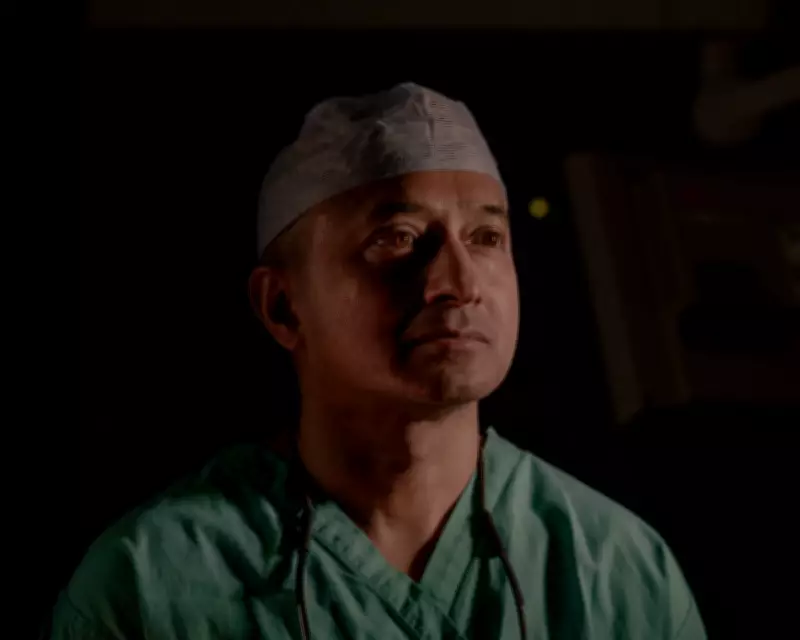
On March 22, 2017, trauma surgeon Shehan Hettiaratchy was conducting end-of-term exams for his medical students when his phone alerted him to a terror attack near the Houses of Parliament. A vehicle had struck pedestrians on Westminster Bridge, followed by stabbings, prompting Hettiaratchy to rush to St Mary's Hospital in London, where he serves as lead surgeon. Despite treating life-threatening injuries routinely, the atmosphere was charged with a collective fear, as Londoners faced an unprecedented assault on their streets.
Balancing Clinical Detachment and Emotional Connection
During the attack, documented in the BBC series Hospital, Hettiaratchy focused on practical, methodical assessments to treat 15 injured individuals, including the perpetrator Khalid Masood, who later died. While all other patients survived, five victims lost their lives. After emergency surgeries, including operating on a birthday celebrant named Stephen, Hettiaratchy experienced a profound emotional gut punch. He emphasizes that healthcare workers must remain horrified by what they see to retain their humanity, as complete detachment risks becoming inhuman and hindering patient care.
In his memoir, The Careful Surgeon, Hettiaratchy argues that staying shocked is crucial for medical professionals. He believes that disconnecting from patients' experiences not only harms the individual clinician but also compromises understanding of patient needs. This balance between compassion and clinical efficiency defines his approach, shaped by a career that includes military service in Afghanistan and surgical missions in Ukraine and Gaza with UK-Med.

The Dual Nature of Surgical Work
Hettiaratchy acknowledges that surgery requires a degree of sociopathy to perform violent acts like cutting into a patient, yet surgeons must swiftly transition to empathy post-operation. He candidly admits that not all surgeons master this switch, with some struggling to reconnect emotionally. However, he notes improvements in the profession, moving away from egotistical archetypes toward greater honesty and self-criticism.
To foster better communication, after the Westminster attack, Hettiaratchy organized team meetings with counselling support and invited patients like Stephen and his wife Cara to share their experiences. This initiative highlighted the importance of gratitude and reflection, challenging the stiff upper lip culture in surgery.
Personal and Professional Challenges
A pivotal moment in Hettiaratchy's career involved deciding whether to attempt complex surgery on 12-year-old Helena, who severely injured her leg. Faced with amputation as a safer alternative, he questioned his motives, ensuring the decision prioritized Helena's well-being over his own ego. After successful surgery, he focused on the patient's outcome rather than personal pride, embodying his philosophy of care.
His book also recounts failures, such as unsuccessful limb repairs, but through these stories, he finds a thread of hope. Hettiaratchy believes that witnessing both the worst and best of humanity sustains him, with lightness ultimately outshining darkness.
Advocacy for Healthcare Workers and Preparedness
During the Covid-19 pandemic, Hettiaratchy volunteered in intensive care, gaining insight into nurses' vital roles and supporting strike actions for better pay and conditions. He stresses the need to attract talented individuals to the NHS by improving incentives beyond salary.
Looking ahead, Hettiaratchy warns that events like the Westminster attack will recur, necessitating preparedness in healthcare systems. He advocates for training in conflict zones, as seen in Ukraine, where he helps train surgeons for post-war reconstruction, and plans similar efforts in Gaza. His optimism persists, but he worries about the healthcare legacies of ongoing conflicts, urging global planning for emergency responses.
In essence, Shehan Hettiaratchy's journey underscores the resilience and compassion required in trauma surgery, advocating for a healthcare system that values humanity as much as clinical skill.