Family's World Shattered by Rare Childhood Dementia Diagnosis
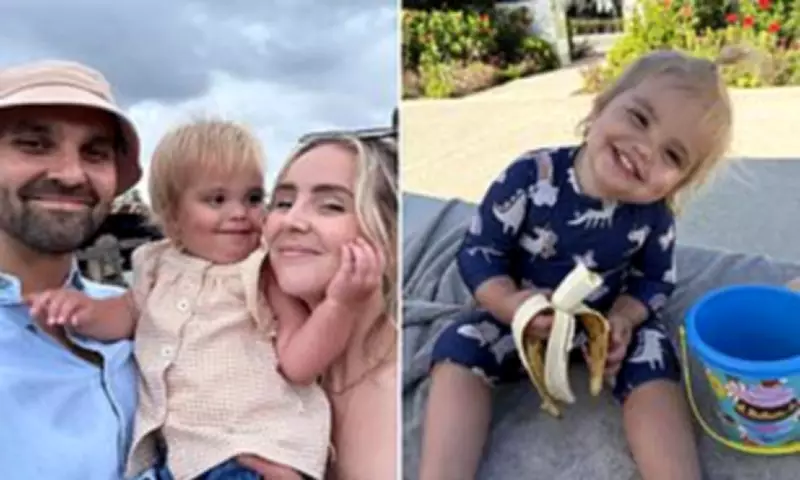
From her earliest moments, Leni Forrester appeared to be the picture of health and happiness. The toddler from Sevenoaks in Kent showed no outward signs that a devastating genetic condition was silently developing within her young body. To her parents, Emily and Gus Forrester, she seemed like any other energetic, joyful child reaching normal developmental milestones.
A Warning from Unexpected Quarters
The first indication that something might be wrong emerged from an unexpected source. A close relative undergoing IVF treatment discovered they were a carrier of Sanfilippo syndrome, an ultra-rare genetic disorder often described as childhood dementia. This revelation prompted the Forresters to investigate whether their daughter might be affected.
Initially, they received reassuring news. Medical professionals explained that both parents would need to be carriers for Sanfilippo to be passed to their child, and Leni showed no obvious symptoms of the condition. However, this reassurance proved tragically short-lived as the family began noticing subtle signs that took on ominous significance when viewed together.

The Sinister Pattern Emerges
Emily Forrester, 33, later described how seemingly minor traits formed what she called a chilling "tick box" of symptoms. Leni's bushy eyebrows, frequent ear infections, mild digestive issues, and early physical quirks began to align with Sanfilippo indicators. Each symptom alone seemed harmless, but collectively they painted a worrying picture.
The family experienced a brief moment of hope when a private genetic test for Gus Forrester, 35, returned negative results. This appeared to rule out their worst fears. However, this hope was brutally dashed when subsequent NHS genetic testing revealed both parents were indeed carriers of the faulty gene, and their beloved daughter had Sanfilippo syndrome.
A Cruel Twist of Fate
The diagnosis came just two weeks after the family returned from what would be their last holiday in "ignorant bliss." The geneticist had fast-tracked Leni's case for urgent testing, qualifying her for one of only 100 rapid response tests licensed for use in the UK annually. The confirmation arrived while the family was flying home, creating unbearable anxiety until they could speak with the geneticist the following morning.
Adding to the heartbreak, it was later discovered that the earlier private test had missed Gus Forrester's extremely rare genetic mutation, which had never before been logged as causing Sanfilippo in a child. This technical oversight had given the family false hope before their world came crashing down.
Further Heartbreak and Difficult Decisions
As the Forresters tried to process their daughter's diagnosis, they faced additional devastation. Emily discovered she was pregnant, and testing revealed the unborn baby was also affected by Sanfilippo. Faced with the knowledge that there are no treatments or cures for the condition, the family made the heartbreaking decision to terminate the pregnancy.
"We felt we just didn't have a choice, knowingly bringing a child into the world and knowing the kind of decline and devastation and suffering that they would face," Emily explained. "It just wasn't something that we felt we could do."
The Race Against Time
Sanfilippo syndrome causes toxic waste to accumulate in the brain, leading to progressive neurodegeneration. Children typically develop normally until age two or three before beginning to regress, losing cognitive abilities, speech, and eventually all learned skills. There is currently no approved treatment for Sanfilippo in the UK, creating a desperate race against time for affected families.
"It is a race against time because her condition is so rapidly neurodegenerative," Emily emphasized. "If she is treated now, she could go on to live a normal life. But even six months later, it could be too late."

Treatment Options and Fundraising Efforts
Experimental therapies exist but remain largely inaccessible. The Forresters have launched a GoFundMe campaign to raise funds for potential treatments, facing astronomical costs and complex logistical challenges. Two primary options exist: an enzyme replacement therapy undergoing clinical trials in America that would require permanent relocation for weekly lifelong infusions, and a UK-developed gene replacement therapy pioneered in Edinburgh.
The family's main fundraising goal is to support reestablishing Great Ormond Street Hospital as a trial site for the enzyme therapy, which would allow Leni to access treatment in the UK. Meanwhile, the Edinburgh-based gene therapy shows promising results but awaits funding and faces complications due to lack of UK government support.
A Broken System and Lack of Support
Emily Forrester has spoken out about what she describes as a "broken" system that offers little support to families facing childhood dementia diagnoses. "The government doesn't offer any support. Families are expected to just go home and cope – it is just cruel," she stated, highlighting the disparity in funding and research for rare childhood conditions compared to more common diseases.
She explained the relentless nature of Sanfilippo: "It's essentially an old person problem in a young person's body. We're looking at 10 to 15 years of this. There's no roadmap for these children."
Defying the Diagnosis
Despite the devastating prognosis, Leni continues to thrive in mainstream nursery, showing no obvious differences from her peers at this stage. "She's so energetic, very, very happy. She actively tries to make people laugh," her mother described. "She's very loving and very empathetic."
The Forresters remain determined to secure treatment for their daughter before regression begins, clinging to hope that medical advances might offer Leni the chance at a normal childhood they desperately want for her.