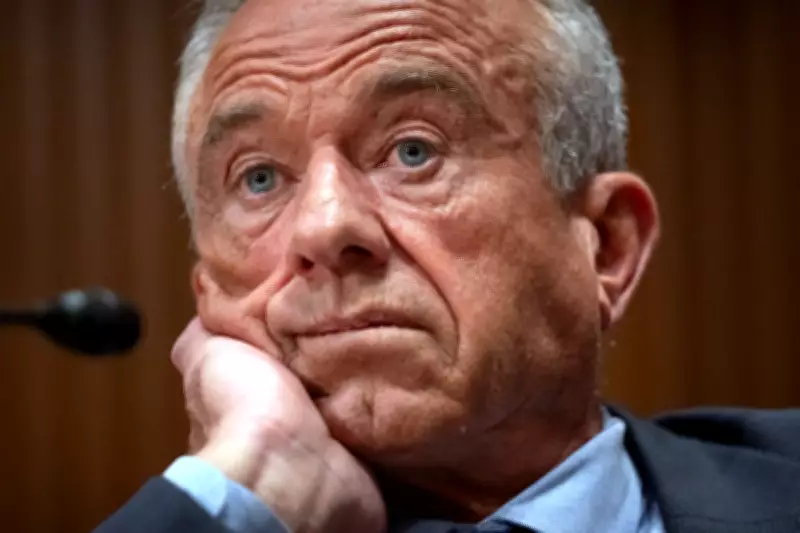
RFK Jr.'s Transparency Pledge Falters as US Health Data Sharing Declines
One year after US Health Secretary Robert F. Kennedy Jr. vowed to employ "radical transparency" to rebuild trust in federal health agencies, numerous types of health information that flowed steadily for years have been delayed, deleted, or entirely halted. This reduction in data sharing comes despite Kennedy's public commitment to openness, creating significant gaps in public health monitoring and research.
Systemic Reductions Across Multiple Health Areas
The collection and dissemination of health data have been impacted by sweeping layoffs at federal agencies and the longest government shutdown in US history. Officials removed health agency websites to comply with an executive order from President Donald Trump, prompting outside researchers to archive federal datasets and leading to litigation that eventually restored the websites.
Ariel Beccia, a researcher at Harvard T.H. Chan School of Public Health focusing on LGBTQ youth health, expressed frustration: "We pay taxes to hopefully have good, inclusive public health practice and data. The past year it felt like every single day, something that I and my colleagues use daily in our work has just been taken away by federal officials."

Specific Examples of Information Gaps
Abortion Data: The Centers for Disease Control and Prevention failed to release its annual abortion surveillance report in November, despite Project 2025 recommendations calling for enhanced data collection. HHS officials blamed former CDC chief medical officer Dr. Debra Houry for directing staff to return state-submitted data, while Houry attributed the delay to funding and staff cutbacks.
Overdose Monitoring: While death certificate-based drug death reporting continues, the Trump administration discontinued the Drug Abuse Warning Network (DAWN), which tracked emergency department visits providing early alerts about drug-use trends. Experts compare these changes to spreading cracks in a windshield that obscure visibility into the overdose epidemic.
Smoking Prevention: Successful public education campaigns like the FDA's "Real Cost" and CDC's "Tips from Former Smokers" were terminated last year. Layoffs at CDC also prevented the release of a crucial youth smoking and vaping survey and halted work on a Surgeon General's report on smoking.
Food Safety: In July, the Trump administration scaled back required reporting in the Foodborne Diseases Active Surveillance Network from eight pathogens to just two—salmonella and Shiga toxin-producing E. coli. This reduction undermines the nation's ability to monitor food supply risks effectively.
LGBTQ Health: Following executive orders rolling back transgender protections, the CDC removed information about HIV and transgender people from its website and stopped collecting survey data on transgender students. This data had been crucial for funding suicide-prevention programs and demonstrating policy impacts.
Conflicts of Interest and Committee Changes
Before becoming health secretary, Kennedy was a prominent anti-vaccine voice who accused federal health advisers of conflicts of interest with vaccine manufacturers. In June, he dismissed the entire Advisory Committee on Immunization Practices and appointed replacements. However, the government failed to release ethics forms for new members, and a CDC disclosure website lists only one Kennedy appointee among over 200 entries.
Missing from disclosure lists are initial committee chair Martin Kulldorff, who was paid as an expert witness in cases against vaccine-maker Merck, and current member Dr. Robert Malone, who also received payments for vaccine litigation testimony.
Official Response and Transparency Claims
When questioned about unavailable data, Kennedy spokesman Andrew Nixon called the Associated Press inquiry "flawded and reliant on selective and inaccurate characterizations." He asserted that "Secretary Kennedy is leading the most transparent HHS in history" and pointed to an HHS transparency webpage listing canceled contracts and repackaged information, including an FDA chemical contaminants tool.

Despite these claims, health experts and researchers continue to document significant reductions in publicly available health data across multiple critical areas, raising questions about the actual implementation of Kennedy's transparency pledge and its impact on public health monitoring and research capabilities nationwide.