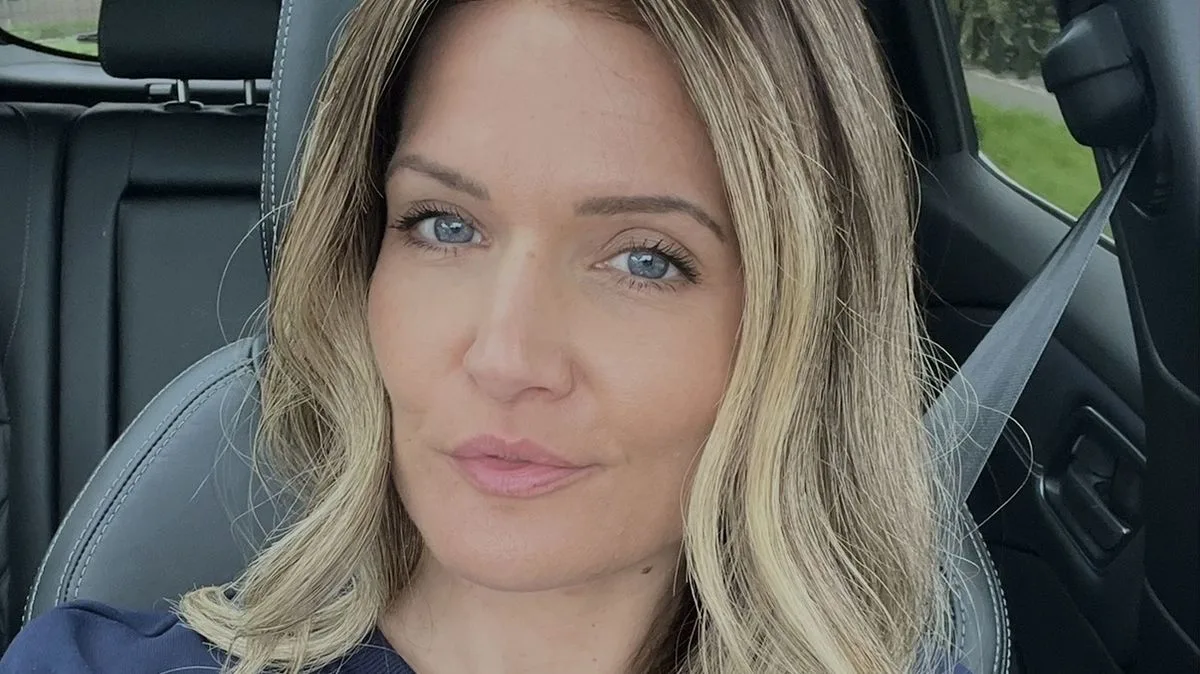
Mum's Power Nap Habit Before School Run Revealed as Deadly Breast Cancer Sign
A mother who regularly needed power naps before collecting her children from school discovered this was not simply exhaustion from her busy life but a critical warning sign of advanced breast cancer. Claire Danvers, aged 39, initially attributed her severe symptoms to the demands of being a self-employed parent, only to receive a devastating diagnosis that changed her life forever.
Initial Symptoms Dismissed as Everyday Stress
Claire first noticed troubling symptoms at the beginning of 2024, including intense back pain, persistent fatigue, and frequent nausea. The fatigue became particularly overwhelming, with her eyes feeling excessively heavy after lunchtime and her body experiencing physical pain. She found herself needing to nap before the school run, yet she rationalised this tiredness as a normal consequence of her hectic schedule.
"I was suffering with extreme back pain," Claire explained. "I was taking paracetamol and ibuprofen every day for the aches and pains. I was experiencing extreme fatigue—tired all the time. I would get to after lunchtime and my eyes would feel so heavy and my body would actually hurt."
Doctors initially suspected her symptoms might be related to endometriosis, a condition she had previously been diagnosed with, which further delayed the recognition of the true underlying issue.
Discovery of Lump Leads to Shocking Diagnosis
The situation took a serious turn in February 2025 when Claire discovered a lump in her right breast. Despite noticing a lump in her armpit that disappeared after ten days in December 2024, she hesitated to seek medical attention. It was only after persistent encouragement from her husband that she visited her GP in April 2025.
"I unfortunately left it until April," Claire admitted. "It was only because my husband was constantly badgering me to go to the doctors that I did. The doctor examined me and said straight away she was referring me for the two-week rapid referral pathway for breast cancer."
Following a biopsy on May 2nd 2025, Claire received the traumatic news later that month: she had invasive lobular carcinoma, a specific type of breast cancer. Scans revealed the cancer had grown to 9.7 centimetres, with thirteen distinct tumours present in her right breast.
Aggressive Treatment and Life-Altering Consequences
The diagnosis prompted immediate and aggressive medical intervention. Claire underwent a mastectomy with reconstruction on her right breast in June 2025, followed by four months of chemotherapy and fifteen sessions of radiotherapy. She is now undergoing hormone therapy to prevent recurrence, a treatment that has induced early menopause.
"I was traumatised when I was diagnosed," Claire shared. "The hardest thing I've ever had to do is tell my family and my two kids. Cancer diagnosis is traumatic enough but there's also guilt you feel as a parent. My children have only just turned six and eight. The fear of leaving them behind—that guilt is horrendous."
Her treatment plan will eventually include a hysterectomy to further reduce cancer risks, fundamentally altering her health and lifestyle at a relatively young age.
Urgent Warning to Others to Advocate for Health
Now reflecting on her experience, Claire emphasises the importance of self-advocacy in healthcare. She believes her symptoms were too easily dismissed by both herself and medical professionals due to her existing endometriosis diagnosis and busy life circumstances.
"My advice would be to always advocate for yourself," she urged. "If you have that gut feeling that something isn't right and even if you don't know what it is, push through it and keep pursuing it. I think it was very easy for people—doctors or even myself—to look and say my symptoms were because of endometriosis."
Claire's story serves as a poignant reminder that persistent fatigue and unexplained pain, especially when accompanied by other symptoms like lumps, should never be ignored or solely attributed to stress. Early detection and persistent medical consultation can be life-saving in breast cancer cases.




