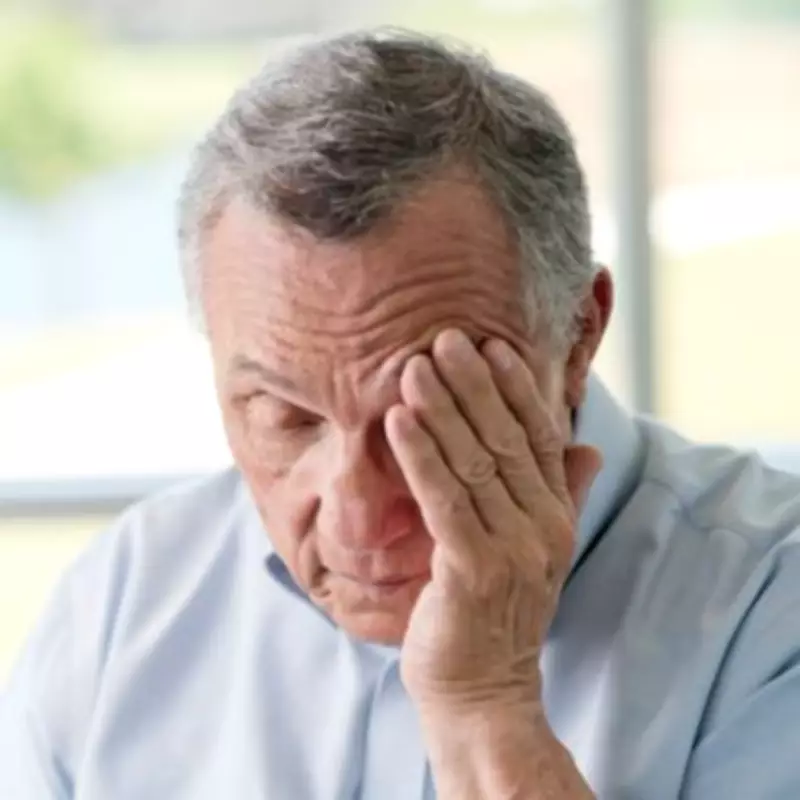
Cancer Research UK has issued a stark warning that a "very common" symptom which "doesn't go away" even with adequate rest could be a critical indicator of cancer. This persistent fatigue affects approximately 65 per cent of cancer patients, yet it is frequently dismissed or mistaken for less serious conditions.
The Nature of Cancer-Related Fatigue
While feeling tired in the morning or during winter months is normal, persistent and overwhelming exhaustion is a different matter entirely. Cancer Research UK emphasises that fatigue which persists despite sufficient sleep or rest is a potential cancer warning sign. This type of fatigue can stem from the disease itself or its treatments, leaving individuals feeling profoundly tired, exhausted, and devoid of energy.
How Fatigue Manifests in Daily Life
On its website, the charity explains that cancer-related fatigue can impact physical, emotional, and mental well-being, with its duration, severity, and frequency varying from person to person. If you are experiencing this, you might notice:

- Lack of energy, leading to a desire to stay in bed all day
- Needing rest even after minimal or no activity
- Feeling unmotivated to engage in daily tasks
- Sleep disturbances such as insomnia or disrupted sleep patterns
- Difficulty rising in the morning
- Emotional struggles including anxiety, depression, or low mood
- Muscle pain, making activities like climbing stairs challenging
- Shortness of breath after minor tasks such as showering
- Concentration issues, even with simple activities like watching television
- Impaired decision-making and clear thinking
- Loss of interest in sex and previously enjoyed activities
- Negative self-perception and feelings towards others
The Impact on Everyday Activities
This symptom can make everyday life incredibly difficult. Cancer Research UK notes that fatigue is often frustrating and underestimated by both patients and their relatives. Daily tasks such as cooking, cleaning, bathing, or shopping may become overwhelming, and even social interactions like chatting can feel like hard work. In severe cases, it might force individuals to stop working entirely, serving as a constant reminder of their cancer, which can be hard to accept.
When to Seek Medical Advice
However, fatigue does not automatically signal cancer. It can be caused by other medical conditions or lifestyle factors, including poor sleep, diet, and lack of physical activity. Additional health issues known to cause tiredness include:
- Anaemia
- Underactive or overactive thyroid
- Diabetes
- Kidney disease
- Heart disease
- Endometriosis
- Long Covid
- Mental health problems
Certain medications, such as antidepressants, chemotherapy, radiation therapy, and pain relief drugs, are also associated with fatigue. Nevertheless, if you are experiencing persistent, unexplained tiredness that interferes with your daily life, it is crucial to consult your GP for a proper evaluation.