Paramedics Mistook Rare Spinal Stroke for Panic Attack in 26-Year-Old
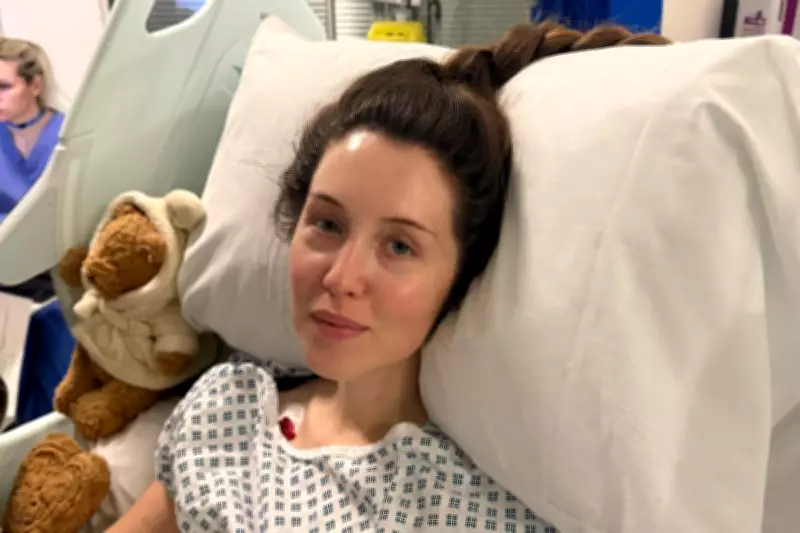
Rebecca Waller, a 26-year-old recruitment consultant from Paddington in west London, was working from home on a Friday afternoon when she began to feel intense pressure in her upper back accompanied by pins and needles in her arms. After finishing a work call, she lay on her bed hoping the pain would subside, but instead, her condition deteriorated rapidly, leading to paralysis from the neck down.
A Sudden and Devastating Turn
What started as discomfort escalated into a life-altering medical emergency. Ms Waller described the sensation as similar to how people describe a heart attack, with worsening pain and hyperventilation. She managed to contact her fiancé, James Naylor, who immediately called emergency services. Paramedics arrived within ten minutes but initially assessed her symptoms as a panic attack rather than recognizing the signs of a rare spinal stroke.
"I could tell that something was wrong. I thought it was strange that it would be a panic attack, but we never thought that it was a stroke," Ms Waller recalled. As paramedics attempted to calm her, she gradually lost motor function, becoming unable to hold a glass of water or move her limbs after trying to get up from the bathroom floor.

The Rare Diagnosis
It was only after being transported to Charing Cross Hospital and undergoing MRI scans of her spine, heart, and brain that doctors confirmed she had suffered a spinal stroke. This type of stroke accounts for just 1.25 per cent of all stroke cases in the UK, where approximately 100,000 people experience strokes annually. Unlike more common brain strokes, spinal strokes occur when blood supply to the spinal cord is disrupted, damaging tissue and blocking neural messages.
Medical professionals believe a fragment from her spinal disc may have become dislodged, entering a vein and blocking blood flow to the spine. "If you had scanned me that morning, you wouldn't have been able to predict what was going to happen," Ms Waller stated about the January 9 incident.
Challenges in Diagnosis and Treatment
The Brain and Spine Foundation notes that diagnosing spinal strokes involves taking a medical history, conducting physical examinations, and performing spinal scans. Due to their rarity, spinal strokes are often not the initial consideration until scans reveal disrupted blood supply. Paramedics' initial misdiagnosis highlights the challenges in identifying such uncommon conditions, especially in young, healthy individuals.
Dr Fenella Wrigley, chief medical officer at the London Ambulance Service, expressed regret over the situation, stating, "We’re sorry to learn of Ms Waller’s rare diagnosis. While our crews arrived at the scene quickly, we will be reaching out to Ms Waller to look into the care we provided and ensure any lessons are learnt."
Life After the Stroke
Before the stroke, Ms Waller was planning wedding invitations with her fiancé and had just secured a wedding venue, feeling "euphoric" about their future. Now, her focus has shifted entirely to recovery. After spending three months in hospital and several weeks in a spinal rehabilitation facility, she is slowly regaining some movement in her arms, fingers, and abdominal muscles, but her limbs remain not fully functional.
The uncertainty of her prognosis looms large, with concerns about whether she will ever walk or live independently without extensive support. "Everything has been put on hold, and I'm trying to take it day by day and not worry too much about how dramatically my life may have changed," she explained.
Financial and Rehabilitation Struggles
With only six weeks of NHS-funded rehabilitation remaining, Ms Waller faces significant financial burdens for private therapy sessions, home adjustments, and carer support. Her family has established a GoFundMe page to help cover these additional costs, emphasizing the long-term challenges of recovering from such a rare and severe medical event.
Her story underscores the importance of awareness regarding spinal strokes and the critical need for timely, accurate diagnosis to improve outcomes for affected individuals.