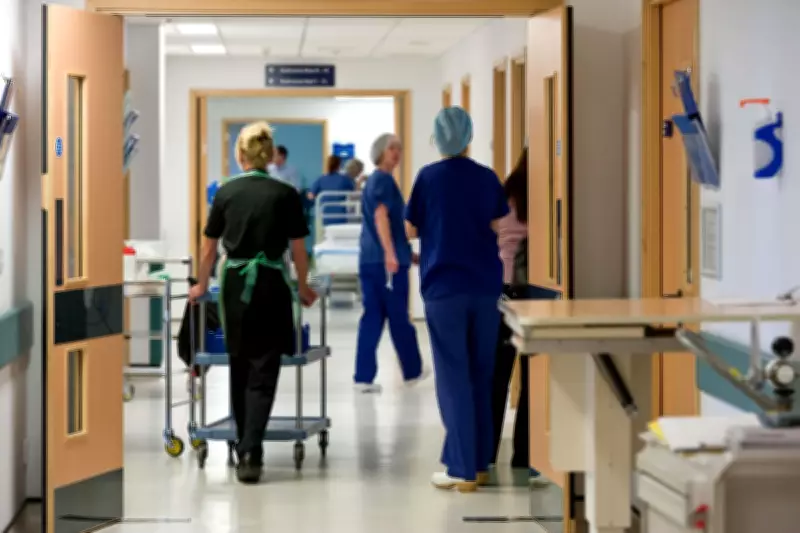
More than 1.4 million workers across the National Health Service are set to receive a 3.3% pay increase commencing in April, as officially announced by the Government. Health Secretary Wes Streeting emphasised that this uplift surpasses the Office for Budget Responsibility's projected inflation rate of 2.2% for the 2026-27 fiscal year, thereby constituting a "real terms pay rise" for NHS staff.
Union Backlash Over Below-Inflation Award
Despite the Government's portrayal of the increase as a positive step, health unions have voiced strong criticism, labelling it insufficient amid ongoing cost-of-living pressures. Unison's head of health, Helga Pile, expressed that "hard-pressed NHS staff will be downright angry at another below-inflation pay award," highlighting concerns over pay failing to keep pace with living expenses.
Timely Payment After Years of Delay
Mr Streeting noted that this pay award will be delivered in pay packets from April, marking the first time in six years such an increase has been implemented on schedule. He stated, "We have listened to the workforce and understand the difficulties they face when pay awards are not delivered on time." The Government has committed to accelerating the pay review process, including remitting recommendations to the Pay Review Bodies earlier and submitting evidence ahead of previous timelines.

In accepting the NHS Pay Review Body's recommendation in full, Streeting aimed to address long-standing delays. However, union representatives argue that the increase does not compensate for over a decade of pay cuts under previous administrations.
Union Reactions and Calls for Further Action
Rachel Harrison, GMB national secretary, acknowledged the effort to ensure timely payment but asserted, "this award is just not enough to make up for more than a decade of pay cuts under the Tories." She indicated that GMB would continue advocating for better terms in upcoming structural talks.
Helga Pile added that for many lower-paid staff in England, a significant portion of the increase is absorbed by adjustments to meet the legal minimum wage, undermining the impact. She criticised ambitions to make the NHS the "country's best employer," suggesting it cannot compete with high street supermarkets offering the real living wage.
Concerns from Healthcare Professionals
Jim Fahie, assistant director for employment relations at the Chartered Society of Physiotherapy, warned that the award falls short of members' expectations, describing it as a "real-terms pay cut" that fails to address restoration needs amid staff shortages and growing waiting lists.
Gill Walton, general secretary of the Royal College of Midwives, echoed these sentiments, stating that the Government has "let down midwives and maternity support workers yet again." She highlighted issues such as unpaid hours and broken promises on pay and staffing, emphasising justified anger among members.
The announcement has sparked a mixed response, with the Government highlighting progress in timely pay delivery while unions demand more substantial increases to reflect the challenges faced by NHS workers in maintaining vital services.