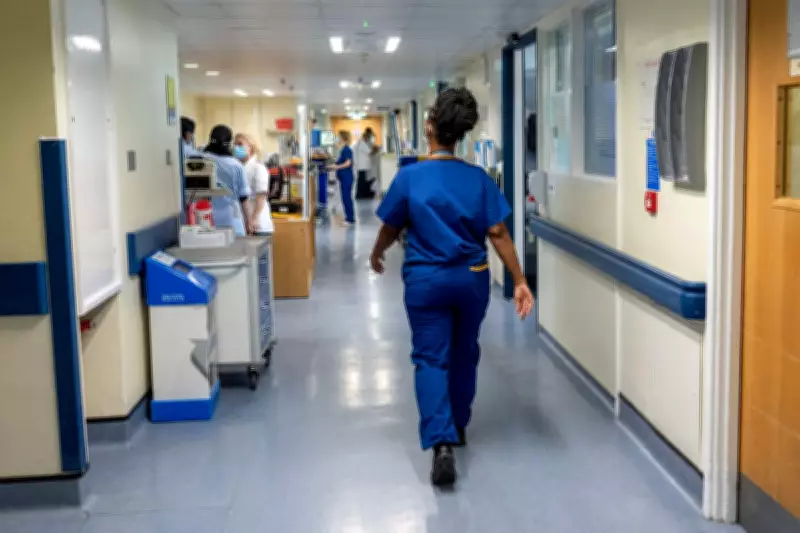
NHS Workers to Receive 3.3% Pay Rise from April, Exceeding Inflation Forecast
In a significant announcement, the Government has confirmed that over 1.4 million NHS workers are set to receive a 3.3% pay rise, effective from April. Health Secretary Wes Streeting has emphasised that this uplift represents a 'real terms pay rise' for staff, as it exceeds the Office for Budget Responsibility's forecast inflation rate of 2.2% for the 2026-27 financial year.
Government and Union Reactions
Mr Streeting stated that the Government has accepted the NHS Pay Review Body's recommendation in full, following efforts to expedite the review process. This marks the first time in six years that the pay increase will be reflected in pay packets from April, rather than being delayed.
However, the announcement has been met with criticism from health unions. Organisations such as Unison have labelled the increase as 'another below-inflation pay award,' arguing that it fails to adequately address the financial pressures faced by NHS staff after years of constrained wages.

Context and Implications
The pay rise comes amid ongoing debates about NHS funding and workforce morale. While the Government highlights the positive step of offering an above-inflation increase, unions point to broader issues of retention and recruitment in the health service. The discrepancy between the official inflation forecast and union assessments underscores the complex economic landscape affecting public sector pay negotiations.
This development is part of a broader effort to stabilise the NHS, with recent initiatives including pilot programmes combining AI and robotics to improve healthcare outcomes, such as faster lung cancer detection.