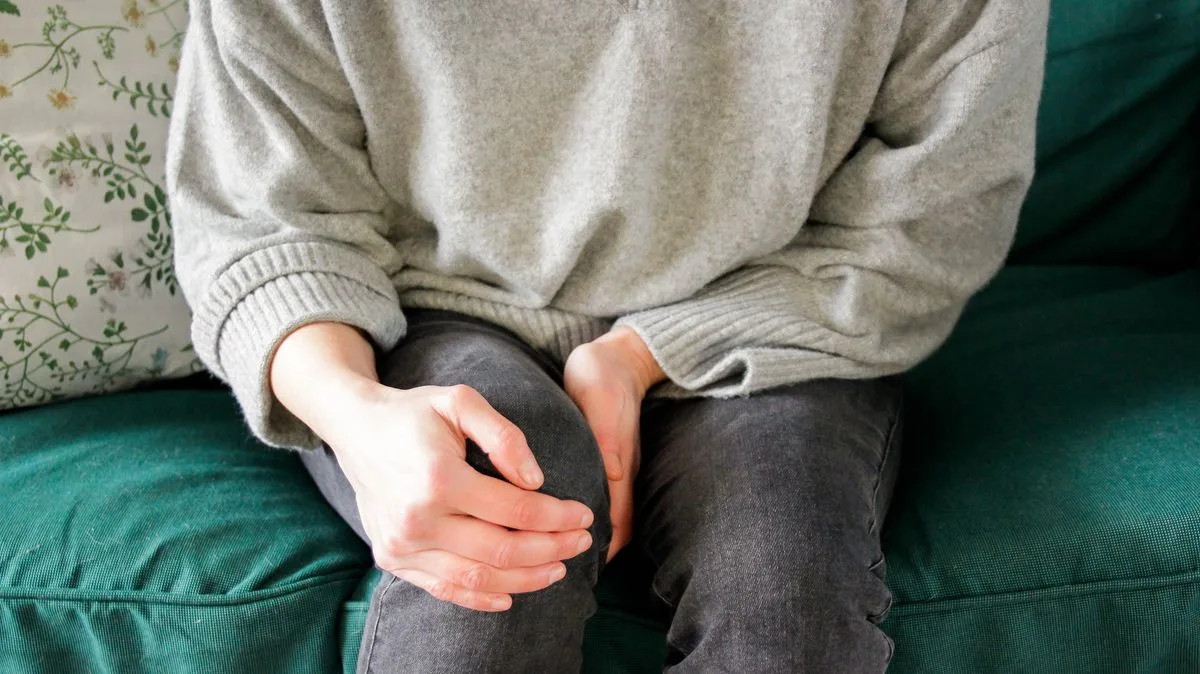
The NHS has issued important guidance for individuals experiencing disruptive leg sensations at night, warning that it could be a sign of a common but often overlooked condition affecting sleep quality.
What Are The Key Symptoms Of Restless Legs Syndrome?
According to the health service, the issue could be Restless Legs Syndrome (RLS). This condition is primarily characterised by an overwhelming urge to move the legs, typically during the evening or at night when resting.
The specific sensations can vary, but the NHS outlines three core symptoms to watch for:
- A powerful, often irresistible need to move your legs.
- Uncomfortable feelings in the legs, such as throbbing, tingling, crawling, or itching.
- Pain in the legs.
"Symptoms are usually worse at night when resting and can affect your sleep," the NHS states. They also note that some people may experience similar sensations in other body parts, like the arms.
When Should You Seek Medical Help?
While other issues like leg cramps or peripheral neuropathy can mimic RLS, persistent symptoms warrant professional advice. The NHS advises consulting your GP if the problem is stopping you from sleeping, impacting your mental health, or if self-help measures have failed.
For a formal RLS diagnosis, as outlined by NICE, all the following criteria must be present: an urge to move the legs with unpleasant sensations; symptoms that begin or worsen during rest; partial or total relief through movement like walking; symptoms that are worse in the evening or night; and the exclusion of other medical or behavioural causes.
In complex cases, your GP may refer you to a neurologist or a sleep specialist for further assessment.
Managing Symptoms At Home: What To Do And What To Avoid
Before seeking medication, the NHS recommends trying several lifestyle adjustments which may ease symptoms:
- Incorporate regular exercise during the day.
- Maintain a consistent sleep schedule, going to bed and waking at the same time.
- Ensure your bedroom is dark, quiet, and conducive to sleep.
- Try a warm bath or applying heat pads to your legs before bed.
- When symptoms strike, gently walk, stretch, or massage your legs.
- Use distractions like reading or puzzles.
- Seek support to stop smoking.
Conversely, you should avoid:
- Consuming caffeine (tea, coffee, energy drinks) after midday.
- Drinking alcohol in the two hours before bedtime.
- Eating large meals or doing strenuous exercise late at night.
- Using electronic devices right before sleep.
- Napping during the day.
What Causes Restless Legs?
The NHS indicates that the cause is not fully understood but is strongly linked to iron levels and the brain chemical dopamine. A family history of RLS also increases your risk.
Other associated factors include pregnancy (symptoms usually resolve after birth), iron deficiency anaemia, chronic kidney disease, and certain medications.
If night-time leg discomfort is affecting your quality of life, the clear message from the NHS is to take it seriously and discuss it with your GP to find an effective management strategy.




