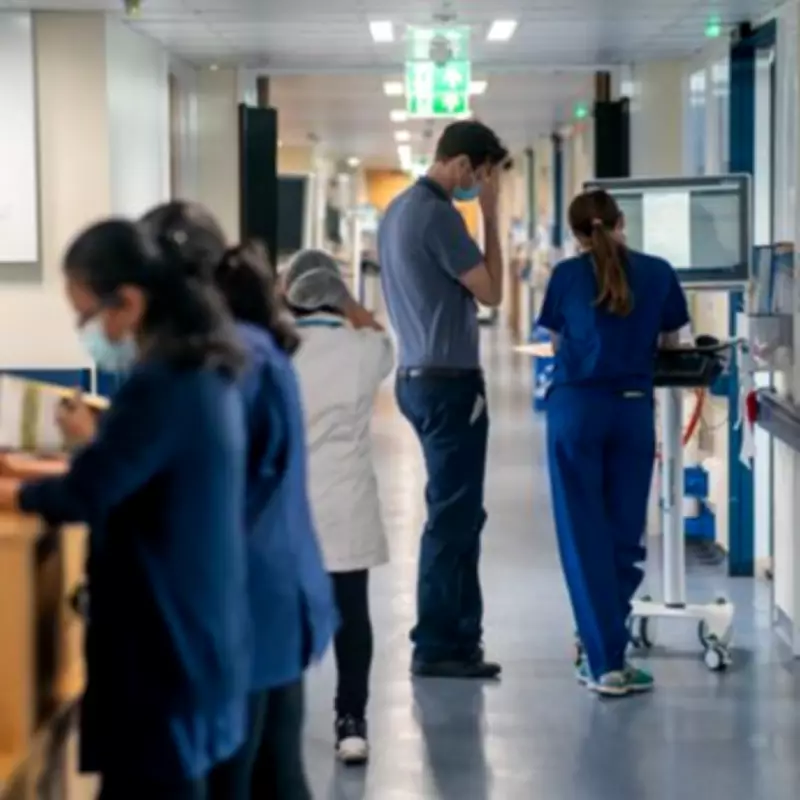
The NHS waiting list for planned treatments in England has reached its lowest point in nearly three years, marking a significant milestone in efforts to tackle the healthcare backlog. However, this positive development is overshadowed by a deepening crisis in Accident and Emergency departments, where waiting times are escalating and putting vulnerable patients at grave risk.
Historic Decline in Treatment Backlog
The elective waiting list for England dropped to 7.29 million appointments in January, representing the smallest backlog since February 2023. This continues a downward trend that began with a substantial reduction of 86,000 appointments the previous month, which was the largest single-month decline in fifteen years outside of pandemic periods. The backlog decreased by an additional 18,000 appointments in January, covering everything from hip and knee operations to cataract procedures.
This reversal is particularly notable given the historical context. The NHS waiting list had been on a consistent upward trajectory for over a decade, surpassing three million treatments in 2014, four million in 2017, five million in 2021, and reaching a peak of 7.8 million in 2023 before the recent declines began.

Government Response to Progress
Health Secretary Wes Streeting acknowledged the achievement, stating: "Despite having to deal with flu and industrial action, the NHS has managed to continue cutting waiting lists, thanks to a Herculean effort this winter. This Government has cut waiting lists by more than 330,000, with hundreds of thousands more people treated within 18 weeks."
Streeting attributed the improvement to deliberate policy interventions, noting: "That's not happening by chance - it's because we delivered record levels of care in 2025. Whether it's by opening up new community diagnostic centres, rolling out surgical hubs to tackle backlogs, or investing in modern equipment and technology, we are rebuilding our NHS."
Emergency Department Crisis Deepens
While planned treatment waiting lists show improvement, the situation in emergency departments continues to deteriorate alarmingly. The number of patients waiting at least four hours from the decision to admit them to actual admission reached 161,141 in January, up from 137,763 in December. This represents the second-highest figure ever recorded.
More concerning is the dramatic increase in patients waiting over twelve hours for a hospital bed following admission decisions. This figure soared to 71,517 in January, a sharp rise from 50,775 in December, marking the highest number since monthly records began in August 2010.
Vulnerable Patients at Greatest Risk
Dr Vicky Price, President of the Society for Acute Medicine, expressed grave concerns about the impact on patients: "These are people unwell enough to need admission, often older and frail with complex needs, who are at the greatest risk of harm when care is being delivered in corridors and hospitals are operating beyond safe limits."
Dr Price explained the systemic nature of the problem: "The overcrowding we are seeing in emergency departments reflects sustained pressure in acute medical wards and throughout hospitals, where bed capacity has fallen, staffing is stretched and flow is routinely blocked."
She further highlighted how financial constraints are exacerbating the situation: "Hospitals are being asked to deliver more activity with the same or fewer staff, while ward closures and vacancy gaps reduce the system's ability to absorb pressure. That is not a performance issue but a capacity issue."
Broader System Pressures
Rory Deighton, Director at NHS Providers and the NHS Confederation, acknowledged the hard work of healthcare teams while emphasizing ongoing challenges: "NHS leaders and their teams have been working incredibly hard to meet rising demand and tackle care backlogs, so it is very welcome to see this starting to pay off through greater productivity and falling waiting lists."
However, Deighton cautioned: "But while the continued drop in seasonal viruses is good news, the NHS remains under immense pressure, with A&Es seeing record numbers of attendances last month and ambulances facing record levels of incidents."

A Mixed Picture of NHS Recovery
The current situation presents a complex and contradictory picture of the National Health Service. While planned care backlogs are showing sustained improvement through targeted interventions and increased productivity, emergency care systems are buckling under unprecedented pressure.
Health Secretary Streeting struck a cautiously optimistic note about the broader trajectory: "There's so much more to do, but people can take hope and optimism from the fact that the NHS is finally on the road to recovery." Yet medical professionals warn that without addressing the fundamental capacity issues in emergency care, vulnerable patients remain exposed to significant risks during their most critical healthcare moments.
The divergence between improving elective care and deteriorating emergency care highlights the multifaceted challenges facing the NHS as it attempts to recover from years of mounting pressure, with different parts of the healthcare system responding unevenly to current demands and interventions.