NHS Urges Millions of Elderly and Vulnerable to Get Spring Covid Jabs
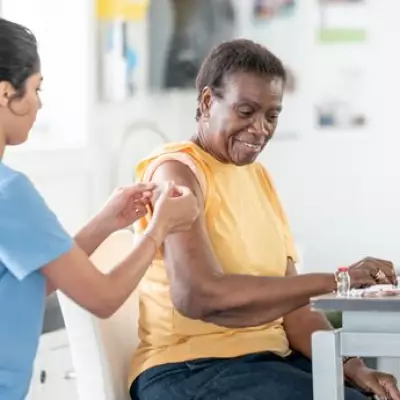
Millions of elderly and vulnerable Britons have been urged to get Covid jabs this spring, with officials warning that immunity against the virus can wane over time. Tens of thousands of slots a day are now available at GP practices and community pharmacies across England, making it easier for eligible individuals to secure protection.
Eligibility and Booking Details
People aged 75 and over are eligible for the jab, along with older residents in care homes and those with weakened immune systems. NHS England has stated that these patients will be invited to come forward, but they do not need to wait for an invitation to book an appointment. Slots can be secured using the NHS app, by going online, visiting a walk-in site, or calling 119.
Covid-19 spreads year-round and can be life-threatening to elderly or vulnerable individuals, highlighting the importance of timely vaccination.

Official Warnings and Encouragement
Caroline Temmink, director of vaccination at NHS England, emphasised the ongoing risk. 'With us all experiencing lighter and warmer days, it can be harder to imagine getting sick from viruses like Covid-19, but they do circulate all year and can be just as dangerous for those who are vulnerable,' she said. 'Previous immunity can wane over time, so we are encouraging all those who are eligible to come forward as soon as possible to get protected.'
She added, 'You do not need to wait for an invite if you're eligible - just visit the NHS website, use the NHS App or call 119 to get an appointment in your diary.'
Inquiry Findings on Vaccine Rollout
Earlier this week, the chair of the UK Covid-19 inquiry described the rollout of vaccines during the pandemic as a 'success story', but noted that those harmed by the jab have been let down. Baroness Heather Hallett said the speed at which the vaccines were developed and rolled out was an 'extraordinary feat'.
However, she admitted that some people have 'tragically' died or been harmed by the jab, and the current Vaccine Damage Payment Scheme requires 'urgent reform' as it is 'not sufficiently supportive'. This includes almost doubling the maximum amount victims or bereaved families can receive from £120,000 to at least £200,000, with a 'fairer system for determining the payment'.
The threshold for people to be 60 per cent disabled to receive payment should be scrapped because it leaves 'those people with a significant injury that affects how they live, but does not meet the 60 per cent threshold, with nothing', Lady Hallett's report concludes.
Rebuilding Public Trust and Historical Context
Ministers must also take action to 'rebuild' public trust in vaccines, which has plummeted due to the spread of false information on social media and the unprecedented speed at which the new jabs were made available, the report adds.
The inquiry's report found that decades of global research and preparation were 'fundamental' to the UK's Covid-19 vaccine response. This groundwork, which would ordinarily take between 10 to 20 years, allowed the UK to develop the Oxford/AstraZeneca vaccine and authorise two further vaccines within a year of its first identified Covid-19 case.
In 2021, approximately 132 million Covid-19 vaccinations were given across the four nations, making it the largest vaccination programme in UK history. One study estimated almost 450,000 lives were saved in England alone. By June 2022, about 87 per cent of the UK population aged over 12 years had been vaccinated with two doses.
Safety and Benefits Assessment
The inquiry report stresses 'it is neither proportionate nor practicable for the Inquiry to reach a view on the safety of particular vaccines or on causation in specific cases of alleged injury or death, or to attempt to quantify the precise risks of vaccination'.

But it says the UK Government and regulatory bodies 'did not compromise the UK's rigorous safety standards' despite the urgency of the task and the record speed at which vaccines were developed. Safety concerns were identified quickly and monitored, and 'many millions' of lives were saved worldwide, with any risks 'far outweighed by the benefits'.