Campaign Demands NHS Action on Childbirth Condition After Diagnostic Failures
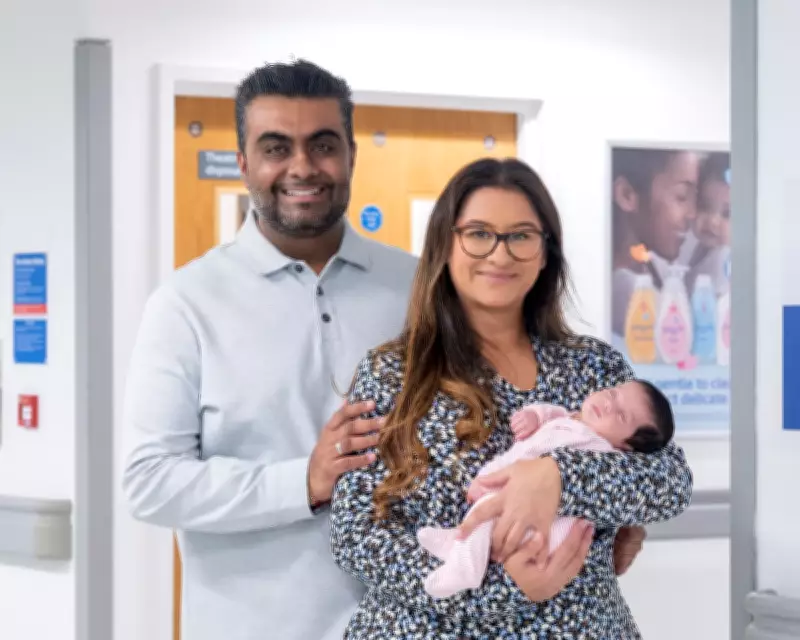
Amisha Adhia and her husband, Nik, are spearheading a vital campaign to enhance NHS diagnosis of placenta accreta, a rare yet potentially fatal childbirth complication. Their advocacy stems from a harrowing personal experience where five hospitals failed to identify the condition before a timely intervention by a specialist obstetrician.
Rising Risks and Diagnostic Gaps
Placenta accreta spectrum poses severe risks, including emergency hysterectomy or fatal haemorrhage if undiagnosed before labour. The NHS estimates it affects between one in 300 and one in 2,000 women, but doctors warn that increasing caesarean section rates—now at 45% in England, surpassing vaginal births at 44%—are elevating the prevalence. Factors like IVF treatment also heighten susceptibility, yet diagnostic practices lag behind.
Adhia, who developed the condition, expressed grave concerns: "Placenta accreta can cause catastrophic bleeding in minutes if it isn’t anticipated." She fears many women remain undiagnosed due to insufficient expertise among NHS maternity specialists, exposing them and their babies to dire outcomes.

A Narrow Escape and Advocacy Efforts
Despite reassurances from five London hospitals, consultant obstetrician Dr Chineze Otigbah confirmed Adhia's placenta accreta. This diagnosis enabled appropriate care during the birth of her daughter, Ishaani, at Queen’s hospital in Romford last September. Adhia recounted: "I am alive today because Dr Otigbah recognised the danger and acted. I was reassured into danger. I felt unheard. I thought I was going to die."
During the caesarean, Adhia lost nearly a litre of blood—less than typical cases—but avoided serious complications. Motivated by being "assessed, downgraded, and ignored" by multiple institutions, she and Nik launched the Action for Accreta campaign. They have since connected with about 40 women who faced similar undiagnosed complications, highlighting a systemic issue.
Support and Systemic Challenges
The campaign has garnered backing from eight maternal health groups, including Birthrights and the Birth Trauma Association. Tommy’s and Sands charities praised it for shedding light on gaps in awareness and surveillance. However, the NHS lacks comprehensive data on placenta accreta incidence and complications, with even the annual MBBRACE-UK report omitting details. International studies suggest prevalence could be as high as one in 111 pregnancies.
Dr Otigbah emphasized: "I am deeply concerned that women are falling through the gaps in our current system. The main risk factors for PAS are C-sections and IVF, which have risen massively. The NHS has not kept up to date with this reality." She noted that not all hospitals have specialists, leading to overlooked warning signs.
Policy Responses and Future Directions
The Royal College of Obstetricians and Gynaecologists (RCOG) acknowledges placenta accreta's association with high morbidity and mortality, attributing rising rates to increased C-sections, maternal age, and assisted reproduction. The Adhias testified to Valerie Amos’s maternity care inquiry, urging recommendations for improved NHS identification. An RCOG spokesperson stated that early detection via scans is crucial for planning care with specialist teams, with updated guidelines expected later this year.
NHS England's national clinical director for maternity, Prof Donald Peebles, affirmed: "Placenta accreta spectrum is rare, but when it does occur it can cause potentially life-threatening bleeding, which is why identifying women at higher risk early in pregnancy is so important." He noted training for warning signs and referrals to specialist centres, though the NHS did not directly address the campaign's concerns.
This campaign underscores urgent needs for enhanced diagnostic protocols and data collection to safeguard maternal health in the face of evolving childbirth trends.