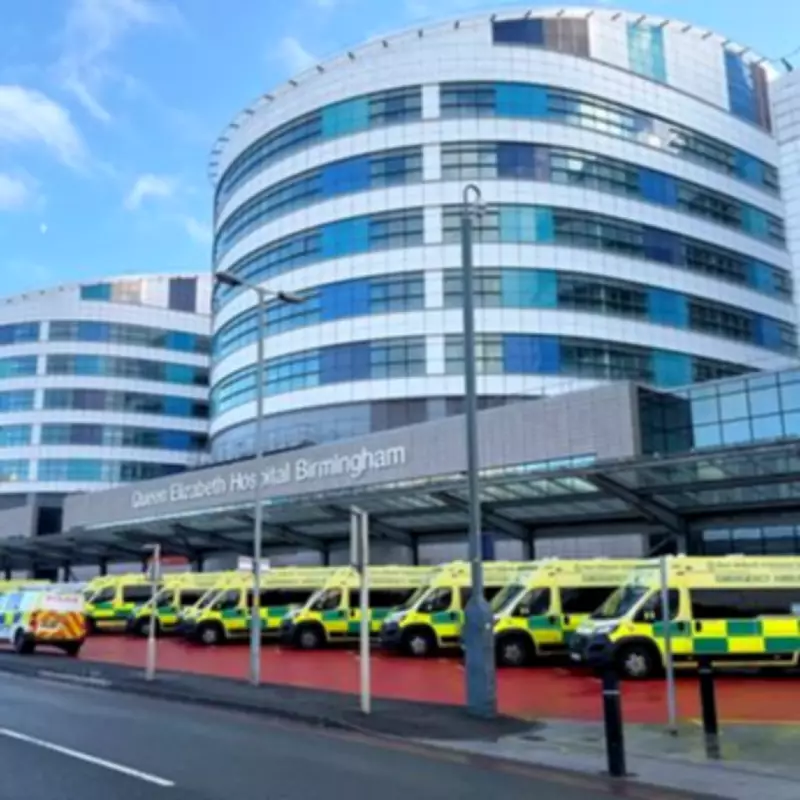
NHS Trust Apologises for Failing Deaf Patient's Family
A deaf mother experienced severe emotional distress after NHS staff at a Birmingham hospital requested her 16-year-old son to convey the devastating news that her father might not survive the night. This incident occurred because the hospital could not provide a qualified British Sign Language (BSL) interpreter to communicate with Jennifer Graham-Petty, highlighting significant failures in patient care.
Family Forced into Unacceptable Role
Connor Petty, aged 16, was compelled to act as an intermediary for medical staff, informing his mother about the critical condition of her father, Alan Graham, 75, who was admitted to Queen Elizabeth Hospital in Birmingham with heart failure symptoms. Tragically, Mr. Graham passed away two weeks later. Additionally, Connor had to relay the difficult decision that cardiopulmonary resuscitation (CPR) should not be administered if necessary, placing an immense burden on the teenager.
Ms. Graham-Petty expressed her anguish, stating that she had to request a BSL interpreter daily during her father's 11-week hospital stay, yet only received professional interpretation services on three occasions. Her 12-year-old daughter was also occasionally used to translate medical information, further exacerbating the family's distress.

Ombudsman Report Reveals Systemic Failures
A report from the Parliamentary and Health Service Ombudsman (PHSO) concluded that University Hospitals Birmingham NHS Foundation Trust did not adhere to national guidelines, causing unnecessary suffering. Rebecca Hilsenrath, chief executive at the PHSO, emphasised that deaf patients and their families deserve equitable healthcare access without additional obstacles. The ombudsman has mandated the trust to issue a formal apology and provide compensation to Mr. Graham's daughter and grandchildren.
In response, the trust has apologised to the family and claimed to have implemented organisational learning actions to prevent future occurrences. However, this case underscores broader issues within the NHS regarding support for disabled patients.
Context of NHS Pressures
This incident emerges against a backdrop of ongoing challenges within the NHS. While waiting lists for elective treatments in England have decreased to 7.29 million, their lowest since February 2023, emergency department waits continue to rise, disproportionately affecting vulnerable individuals. The treatment backlog, which peaked at 7.8 million in 2023, has seen recent reductions, but cases like that of the Graham-Petty family reveal critical gaps in patient communication and care.
The family's experience serves as a stark reminder of the need for robust interpreter services and adherence to accessibility standards in healthcare settings to ensure all patients receive dignified and effective treatment.